Beet Growing Guide
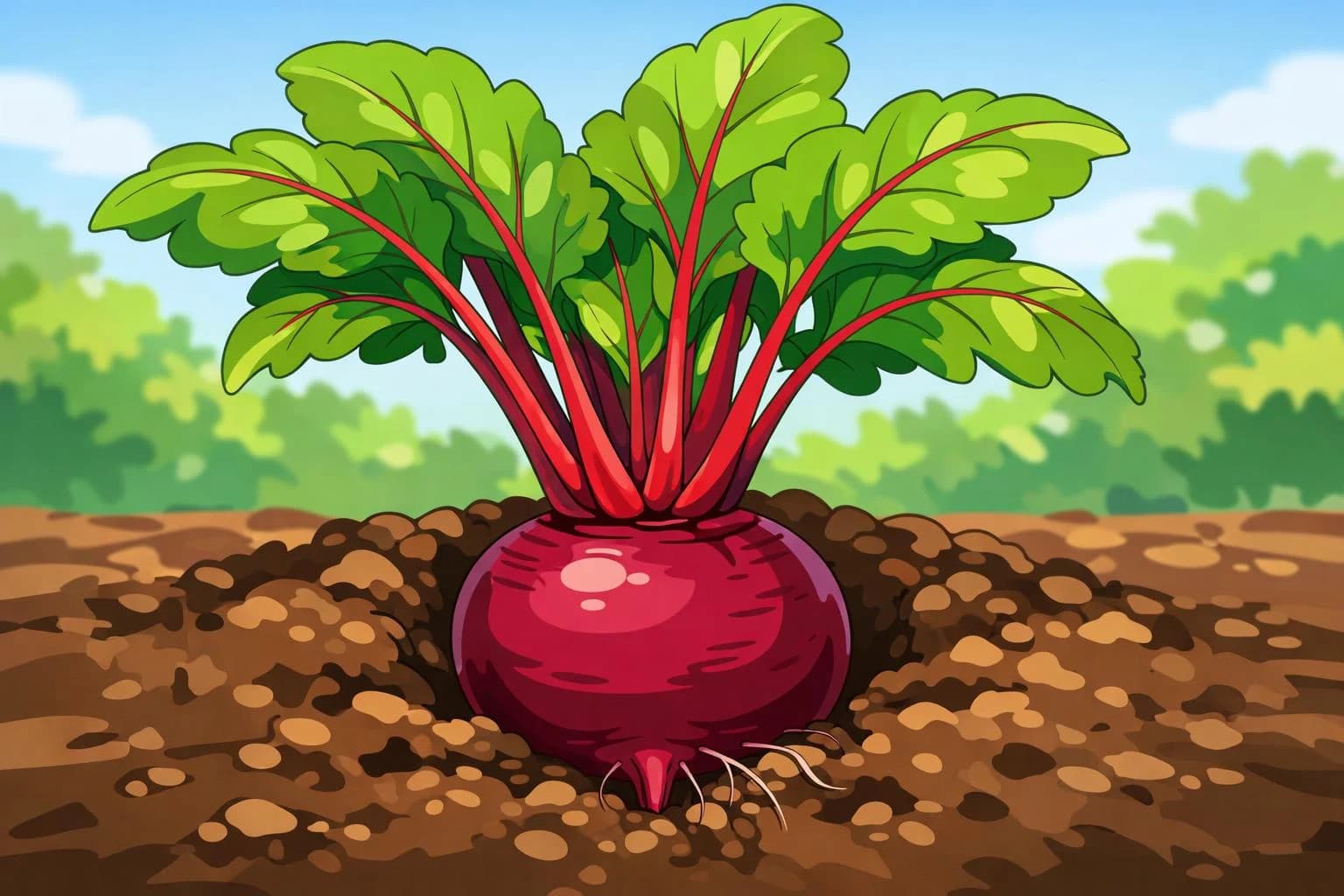
Beet At a Glance
Difficulty
Easy
Category
Vegetable
Sun Exposure
Full Sun, Partial Sun
Frost Tolerance
Frost Hardy
Cold Hardiness
Survives to -7°C
Plant Family
Amaranthaceae
Growing Season
Cool Season
Plant Lifecycle
Biennial
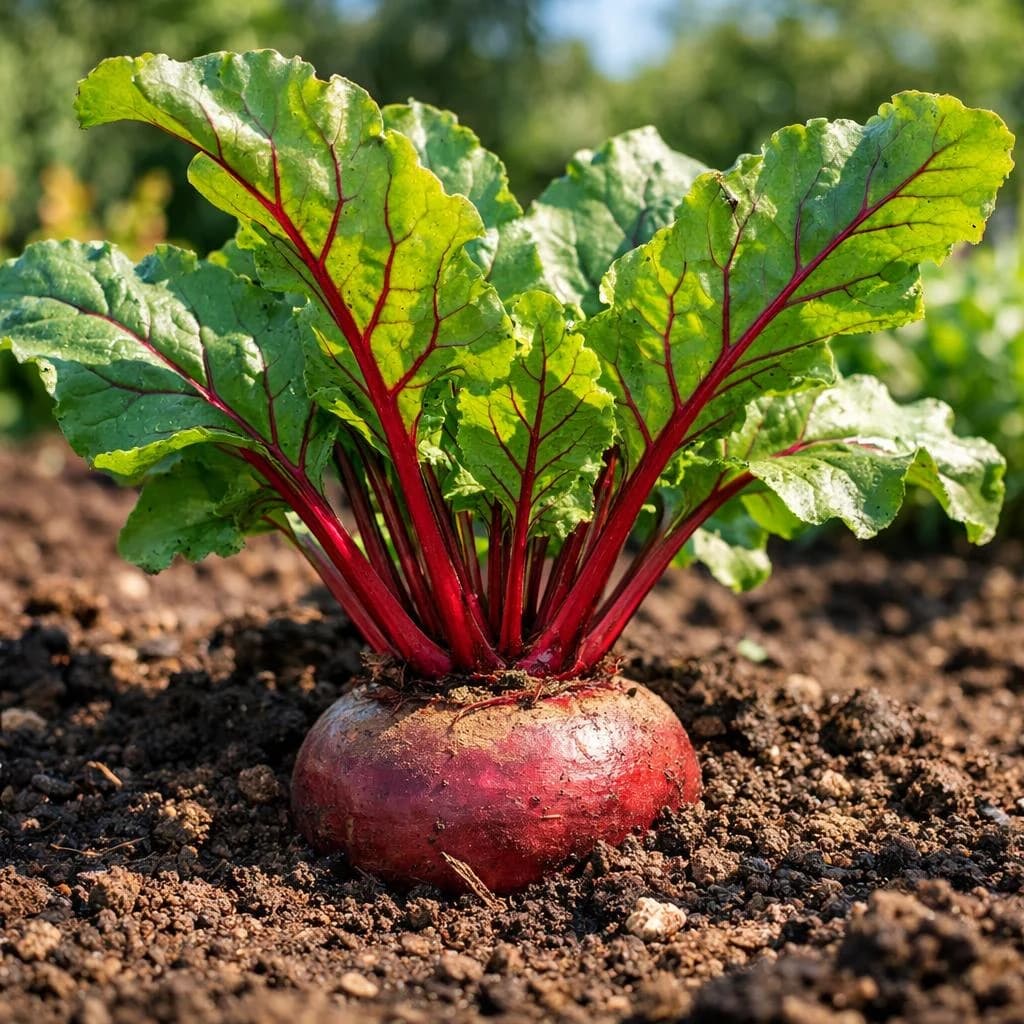
How to Start It
★ Recommended for beginners
Sow the seed clusters about 2cm deep where they're to grow, then thin each cluster to the strongest seedling. The simplest route.
Each knobbly beet 'seed' is actually a cluster that sprouts several seedlings, so thin them to one. They're usually direct-sown, but, unusually for a root crop, beets transplant reasonably well from modules if you want a head start. Pick young for tender roots; the leaves are edible too.
When To Start
First chance to plant
30 Days Before Last Frost
Last chance to plant
30 Days Before First Frost
When should you plant Beet?
Your planting dates depend on your local climate. Sign up and add your location to unlock personalized dates.
Your Beet Planting Window
Start planting
May 15, 2026
Last chance
Sep 10, 2026
Your Beet Calendar
Set your location to turn these into exact dates and reminders.
Sow beets; thin each seed-cluster to one seedling
Around your last frost· every year
Pull beets young and tender (golf-ball to tennis-ball)
55 days after your last frost· every year· optional
The Journey Ahead
Beet's Lifecycle
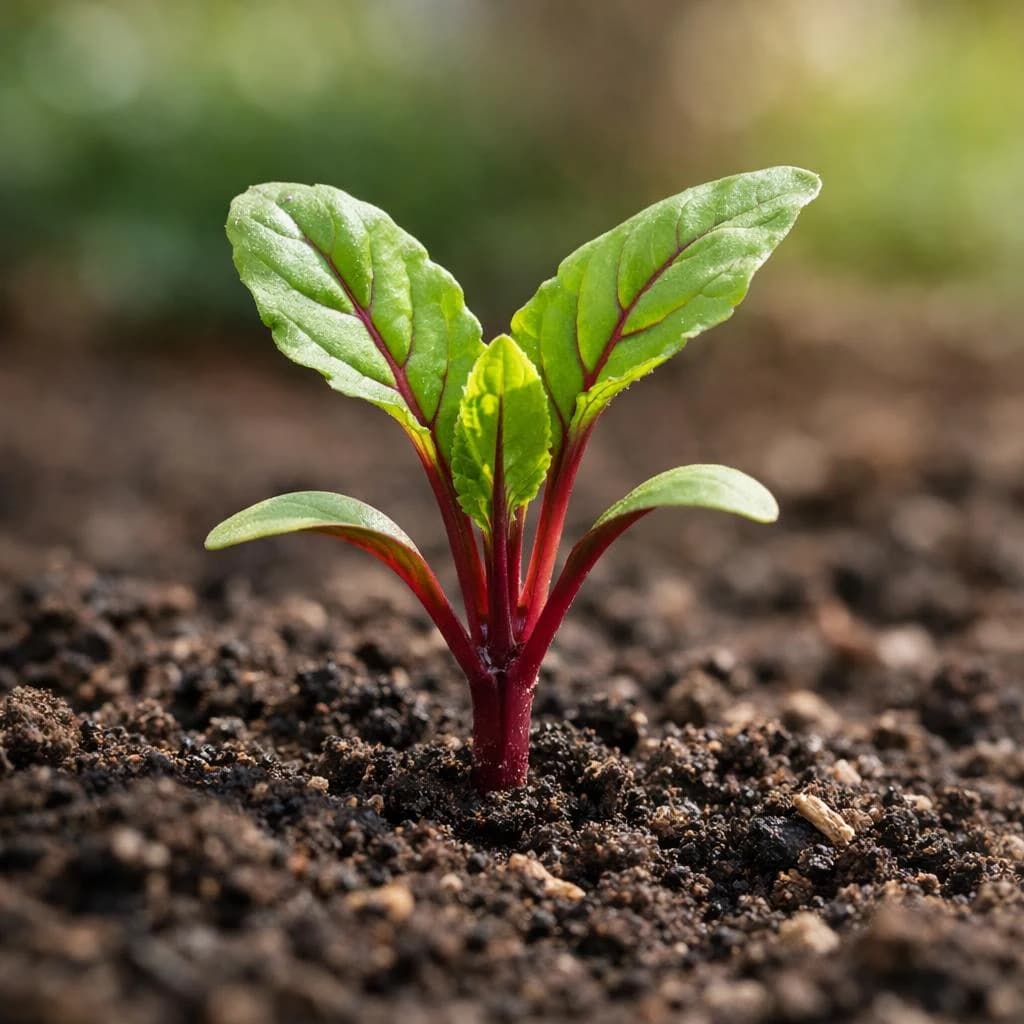
Seedling
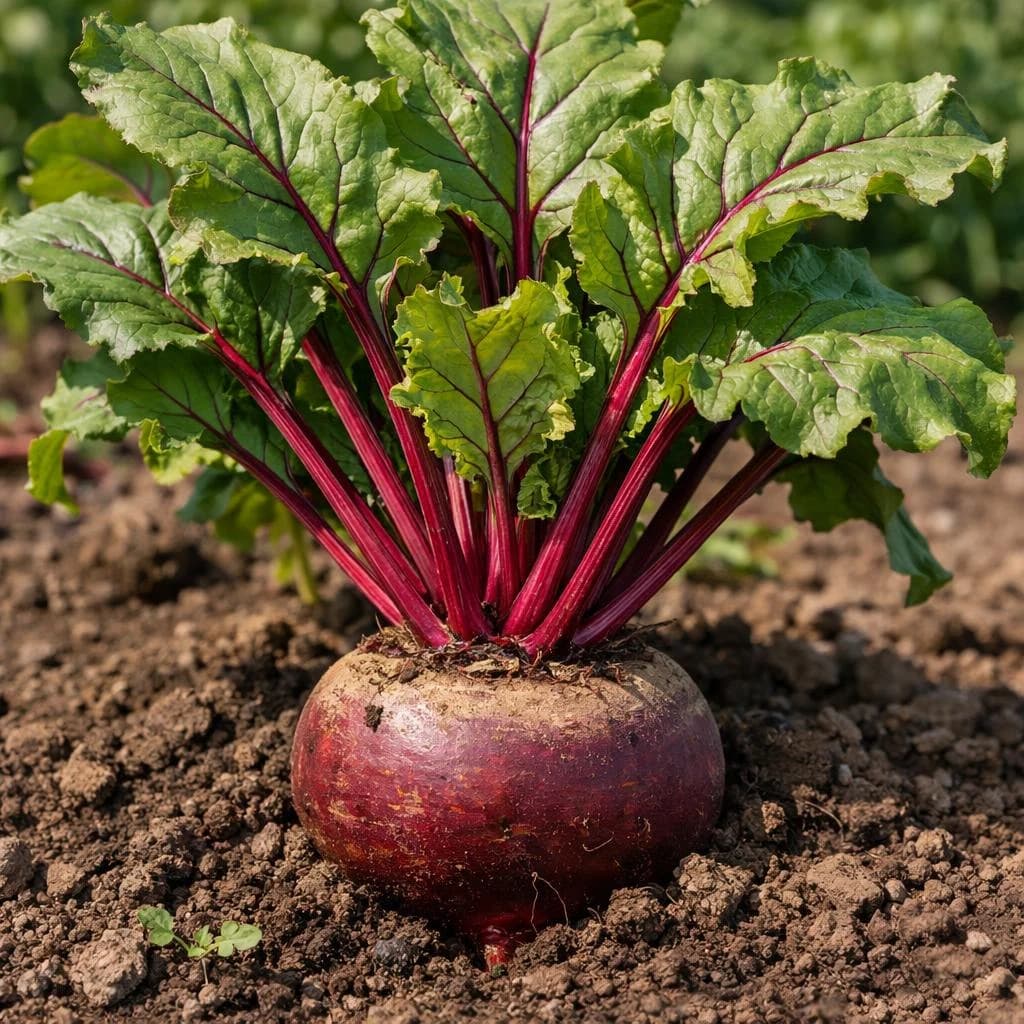
Mature Plant
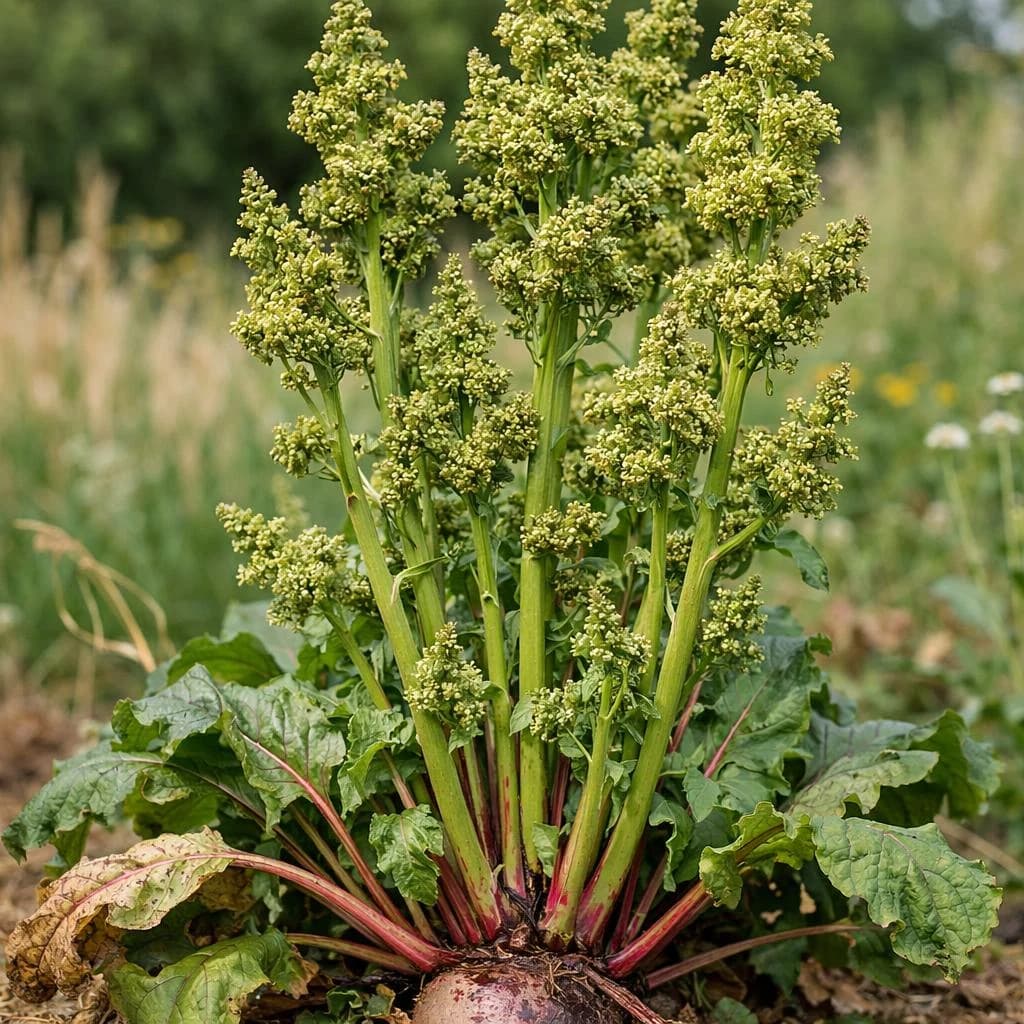
Seed Production
Step 2
Planting & Sprouting
Expect sprouts in 5–10 days
Growing Tips
- 1Plant beets in a sunny spot with at least 6 hours of sunlight daily.
- 2Use well-draining, loose soil rich in organic matter, and keep it consistently moist but not waterlogged.
- 3Space seeds about 2-3 inches apart to allow room for growth, and use row covers to protect against pests like leaf miners.
Seedling Phase
Step 3
Growth & Maturity
~55
Days to Maturity
17 cm
Mature Height
17 cm
Mature Width
Pests to Watch For
Diseases to Watch For
Mature Plant
Step 4
Harvesting
Harvest Window
45 days
When to Pick
Harvest when roots are 2–3 cm
How to Harvest
- 1Harvest beets when the roots are about 1.5 to 3 inches in diameter, as larger beets can become tough.
- 2Gently loosen the soil around the beet with a garden fork or spade, then grasp the base of the greens and pull the beet out of the ground.
- 3To avoid damaging the plant, be careful not to cut or bruise the root during harvest.
Step 5
Saving Seeds
How to Save Seeds
Saving beet seeds is a fun and rewarding process that any new grower can master! Simply let a few healthy beet plants overwinter in the ground or replant them in early spring, allowing them to flower and produce seed stalks. Once the seed clusters turn brown and dry on the plant, gently cut them off and let them finish drying in a cool, airy place. Rub the clusters to release the seeds, then store your seeds in a labeled paper envelope or glass jar in a cool, dry spot, this way, you’ll have your very own homegrown beet seeds ready for next season. You’ve got this, saving seeds is a wonderful step toward a more sustainable and self-sufficient garden!
Seed Production
Still have a question?
Ask your coach about your beet.
This page covers what we thought to write down. Your beet will do something it never mentions, and that is the day a coach beats a guide. Ask Coach Lumen one question right now, free, no account.