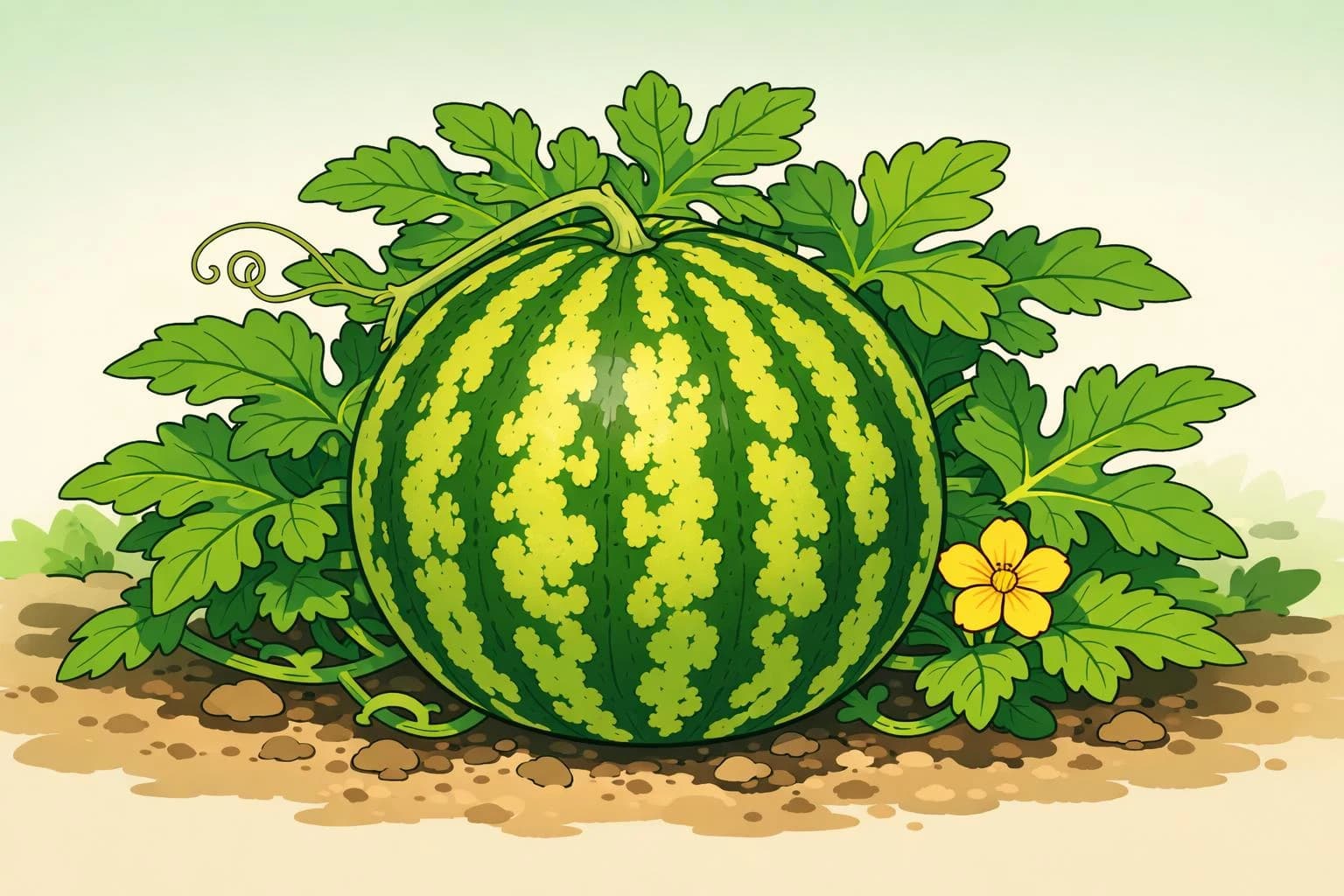
Honeydew Growing Guide
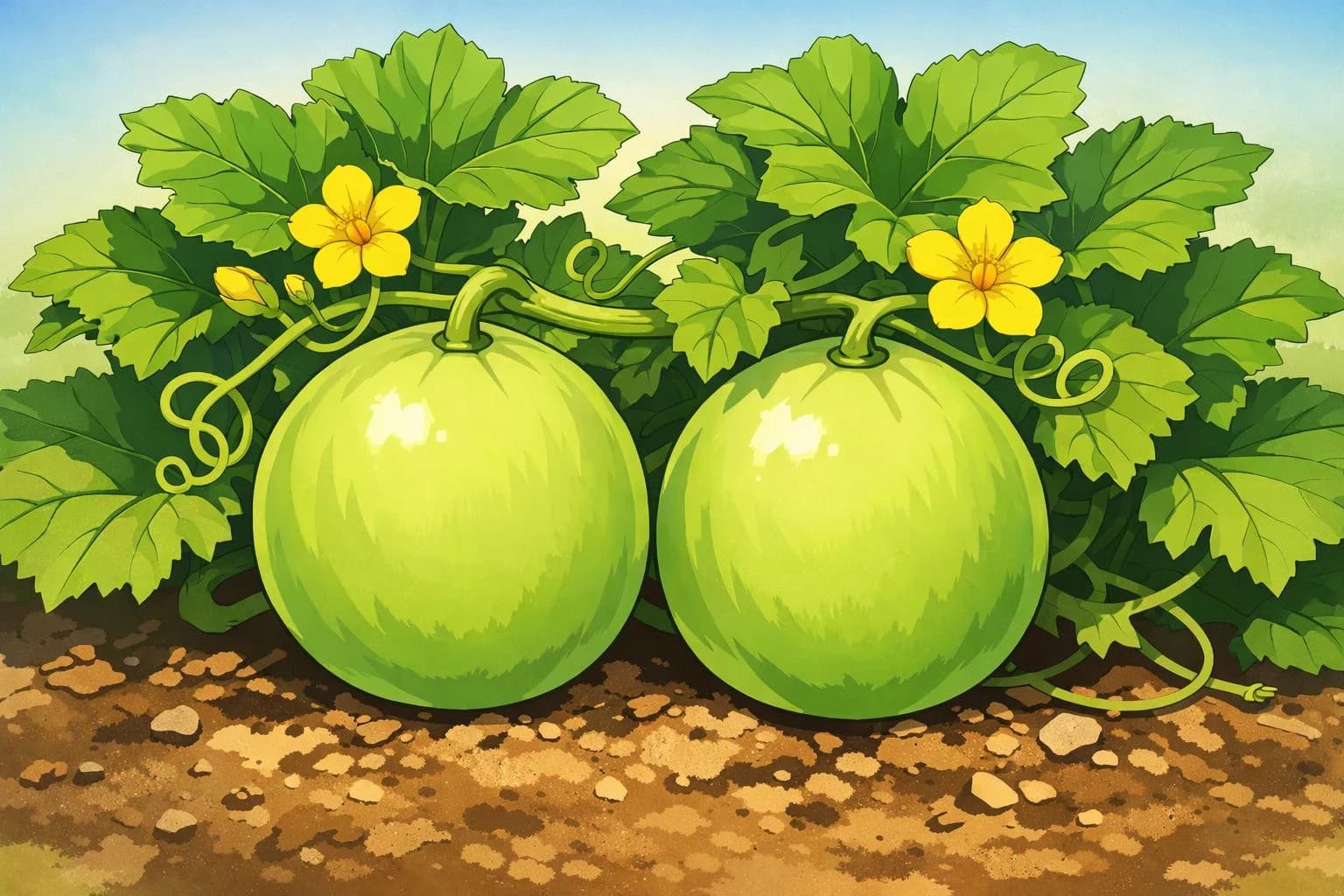
Honeydew At a Glance
Difficulty
Moderate
Category
Melon
Sun Exposure
Full Sun
Frost Tolerance
Frost Tender
Cold Hardiness
Survives to 2°C
Plant Family
Cucurbitaceae
Growing Season
Warm Season
Plant Lifecycle
Annual
How to Start It
★ Recommended for beginners
Sow 2cm deep once soil is warm (18°C+). Ideal in long, hot summers.
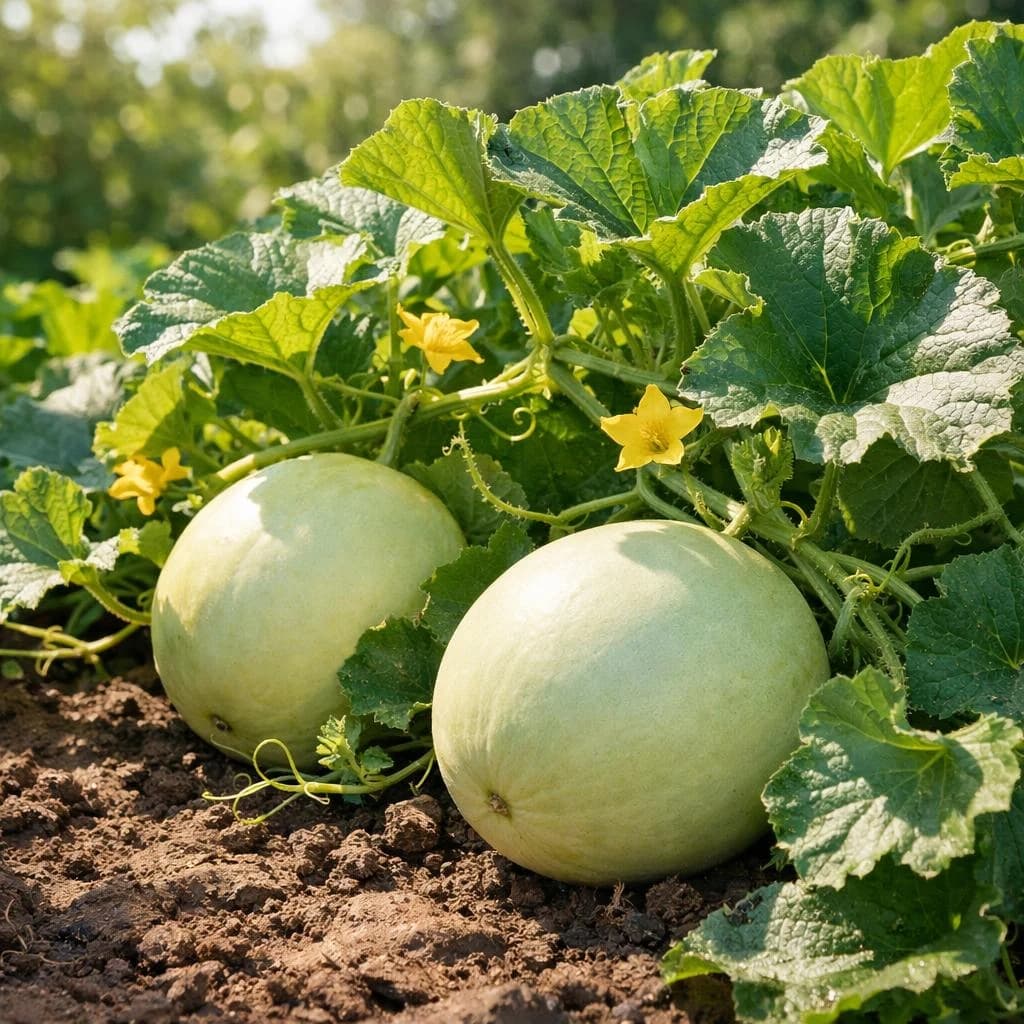
A muskmelon (same species as cantaloupe) grown for sweet, pale-green flesh. Like all melons it wants heat, sun, rich soil and steady water, and a long warm season to ripen. Smaller and a touch easier than watermelon, and a good trellis candidate with fruit slings.
When To Start
Honeydew needs warmth. Wait until your last frost has passed and the soil has warmed before sowing.
We do not have exact sowing dates for this one yet.
When should you plant Honeydew?
Your planting dates depend on your local climate. Sign up and add your location to unlock personalized dates.
Your Honeydew Planting Window
Start planting
May 15, 2026
Last chance
Sep 10, 2026
Your Honeydew Calendar
Set your location to turn these into exact dates and reminders.
Start honeydew indoors (cool climates)
3 weeks before your last frost· optional
Sow / plant out honeydew in warm soil (18°C+)
1 week after your last frost
Check honeydew for 'full slip' (lifts off with a push)
About 80 days after you plant it
The Journey Ahead
Honeydew's Lifecycle
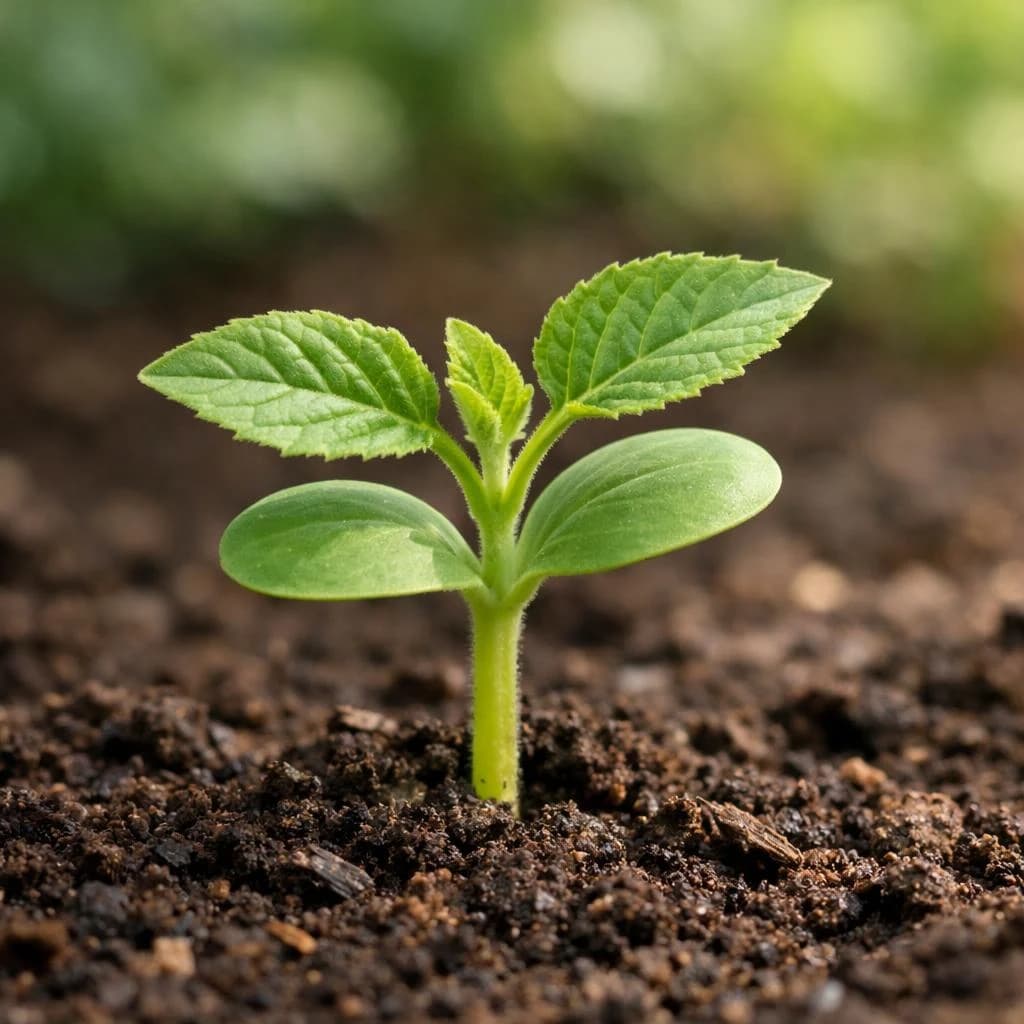
Seedling
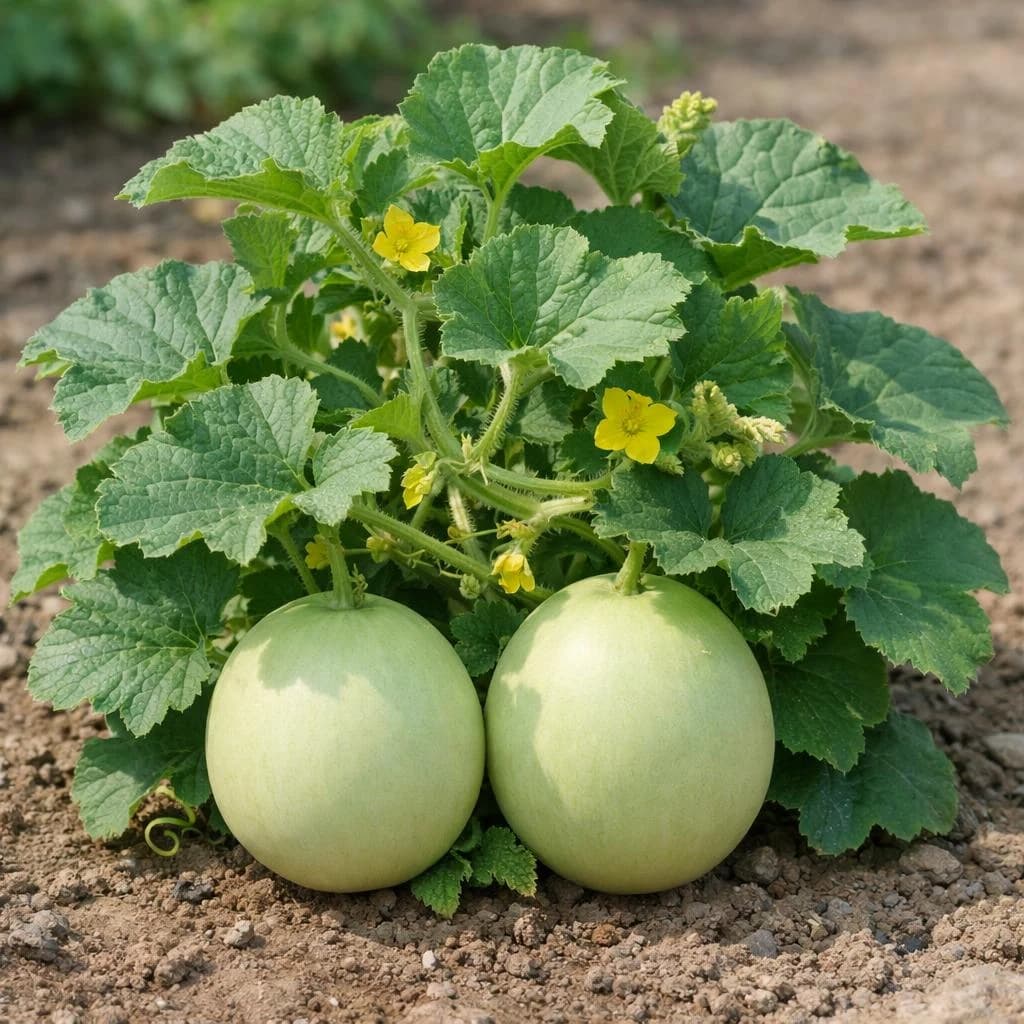
Mature Plant
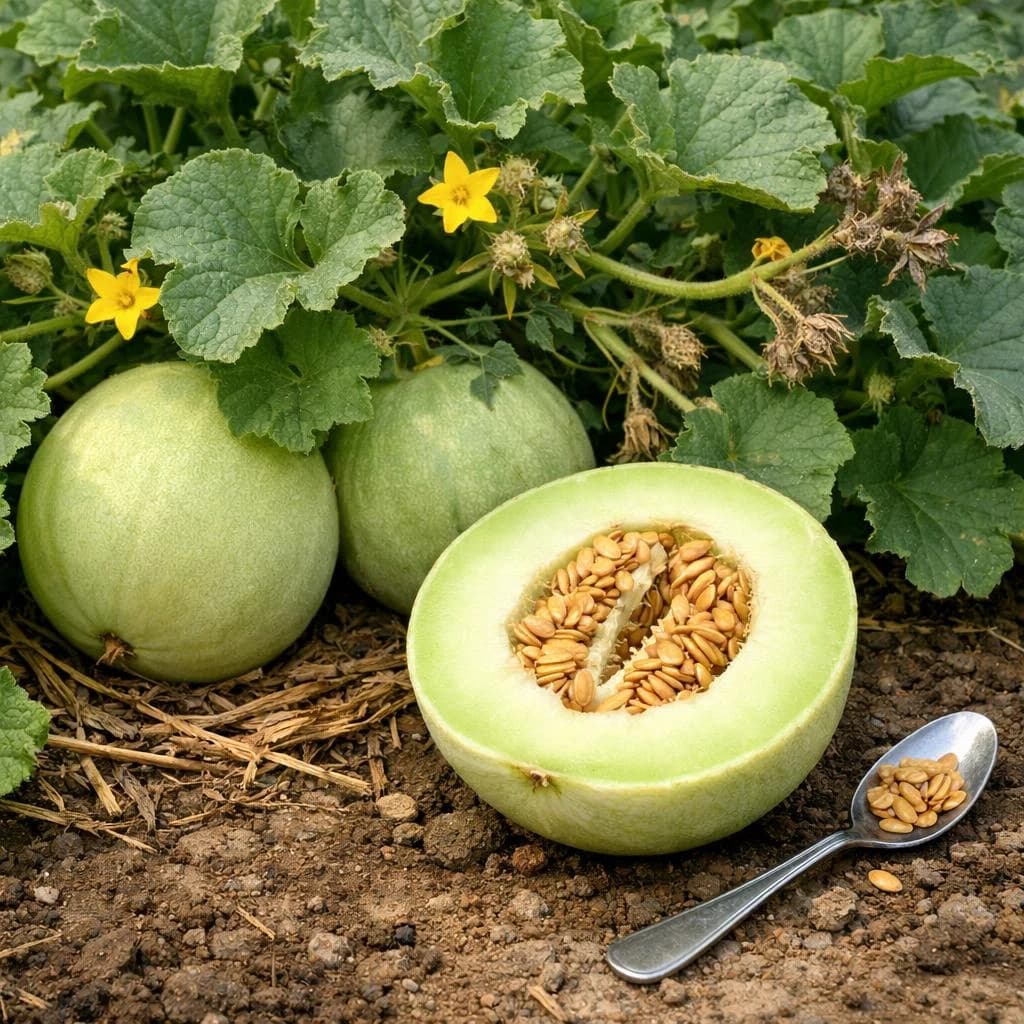
Seed Production
Step 1
Prepare Your Space
2 cm
Seeding Depth
60 cm
Plant Spacing
150 cm
Row Spacing
Vertical Growing
Yes – up a strong trellis with fabric slings to support the fruit.
Succession Planting
No.
Good Companions
Bad Companions
Step 2
Planting & Sprouting
Expect sprouts in 5–10 days
Growing Tips
- 1Treat honeydew like watermelon: heat, full sun, rich soil, steady water while it grows, then ease off as the fruit ripens to boost sugar.
- 2Mulch beneath the melons to keep them clean.
- 3In cool climates a sheltered, warm corner (or greenhouse) makes all the difference.
Seedling Phase
Step 3
Growth & Maturity
~80
Days to Maturity
40 cm
Mature Height
250 cm
Mature Width
Pests to Watch For
Diseases to Watch For
Mature Plant
Step 4
Harvesting
Harvest Window
21 days
When to Pick
Ripe at 'full slip': the fruit detaches from the vine with a gentle push, skin pales and smells sweet
How to Harvest
- 1Unlike watermelon, honeydew tells you it's ready: the rind turns from green to creamy-cream, it smells perfumed at the blossom end, and a ripe one slips from the vine with the gentlest push ('full slip').
- 2Pick then.
- 3It sweetens little once cut.
Step 5
Saving Seeds
How to Save Seeds
Scoop, rinse and dry the seeds from a fully ripe melon for two weeks. Open-pollinated types come true but cross with other melons, so isolate varieties.
Seed Production
Still have a question?
Ask your coach about your honeydew.
This page covers what we thought to write down. Your honeydew will do something it never mentions, and that is the day a coach beats a guide. Ask Coach Lumen one question right now, free, no account.