Bay Laurel Growing Guide
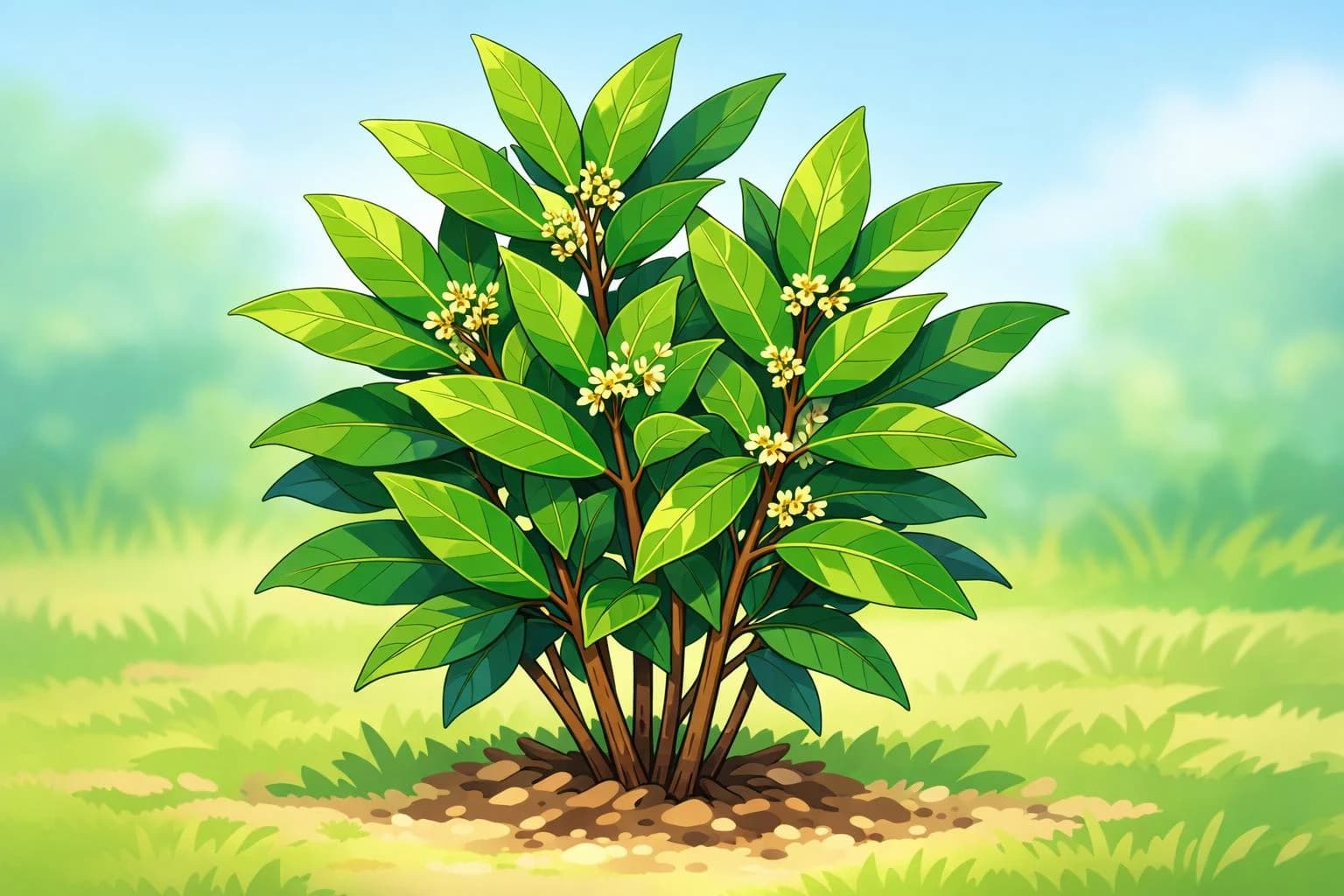
Bay Laurel At a Glance
Difficulty
Moderate
Category
Herb
Sun Exposure
Full Sun
Frost Tolerance
Frost Tender
Cold Hardiness
Survives to -7°C
Plant Family
Lauraceae
Growing Season
Warm Season
Plant Lifecycle
Perennial
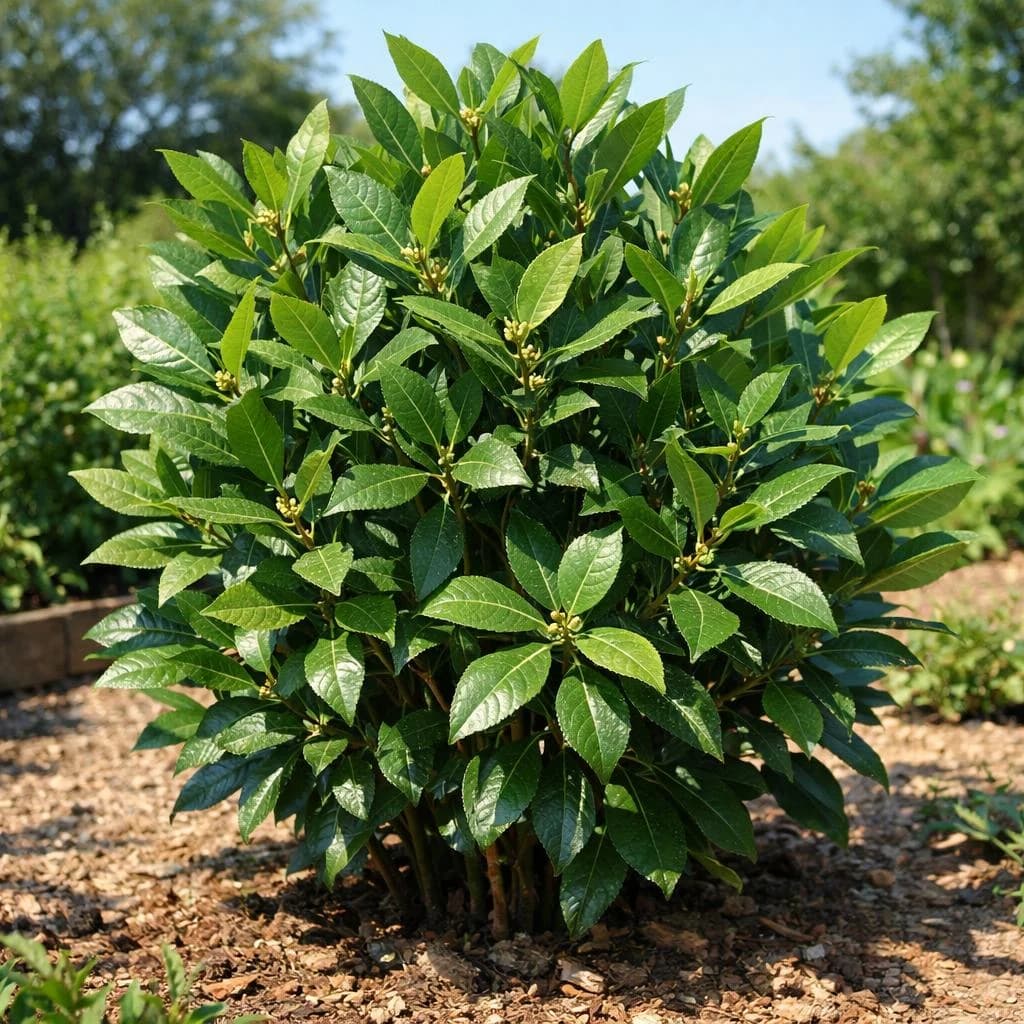
How to Start It
★ Recommended for beginners
Pick up a young potted bay. It's an evergreen you'll keep for years, so one plant is plenty. Grow it in a large pot you can move indoors in cold zones.
Cuttings root slowly and unevenly over many months, and seed is even slower. For most growers, buying a small plant is far and away the easiest route.
When To Start
Bay Laurel needs warmth. Wait until your last frost has passed and the soil has warmed before sowing.
We do not have exact sowing dates for this one yet.
When should you plant Bay Laurel?
Your planting dates depend on your local climate. Sign up and add your location to unlock personalized dates.
Your Bay Laurel Planting Window
Start planting
May 15, 2026
Last chance
Sep 10, 2026
Your Bay Laurel Calendar
Set your location to turn these into exact dates and reminders.
Plant or pot up your bay laurel (frost tender)
2 weeks after your last frost
Lightly shape your bay tree
30 days after your last frost· every year· optional
Move bay laurel somewhere bright and frost-free for winter
3 weeks before your first frost· every year
The Journey Ahead
Bay Laurel's Lifecycle
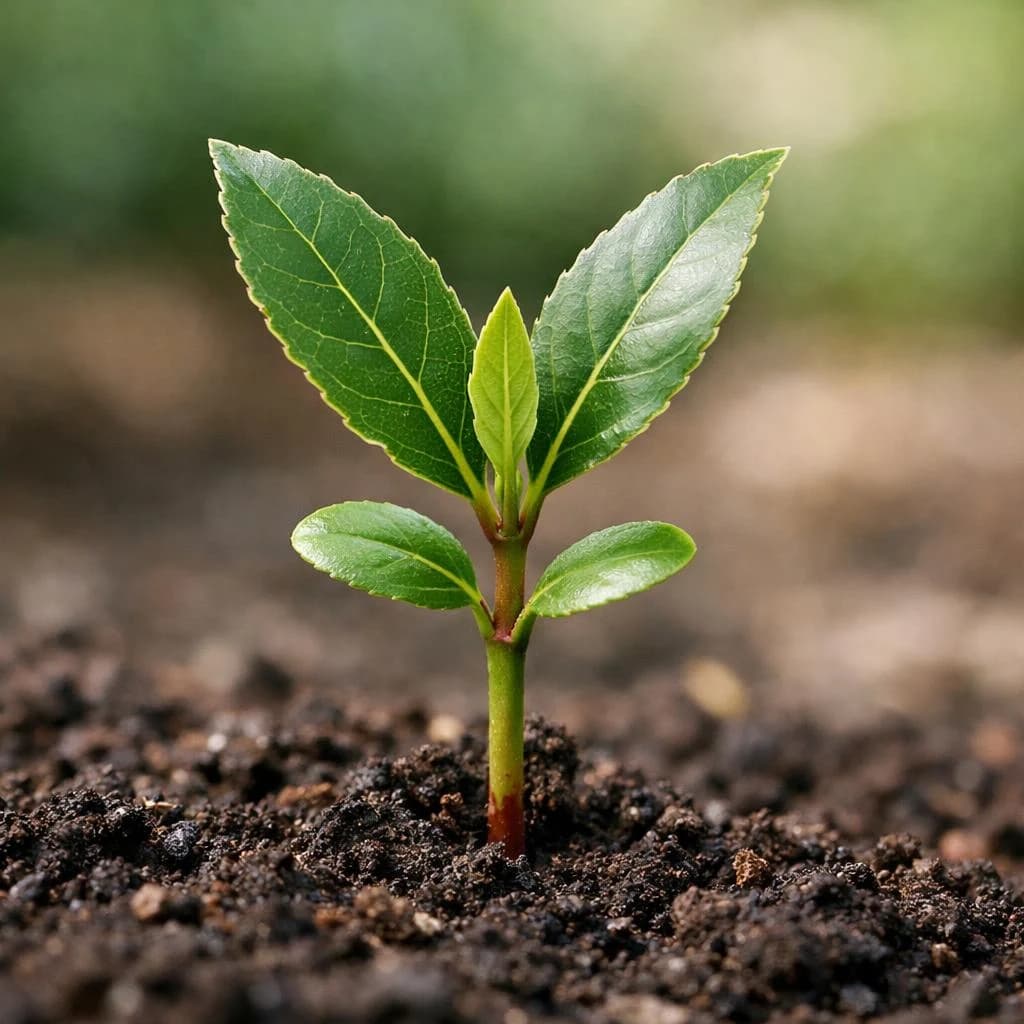
Seedling
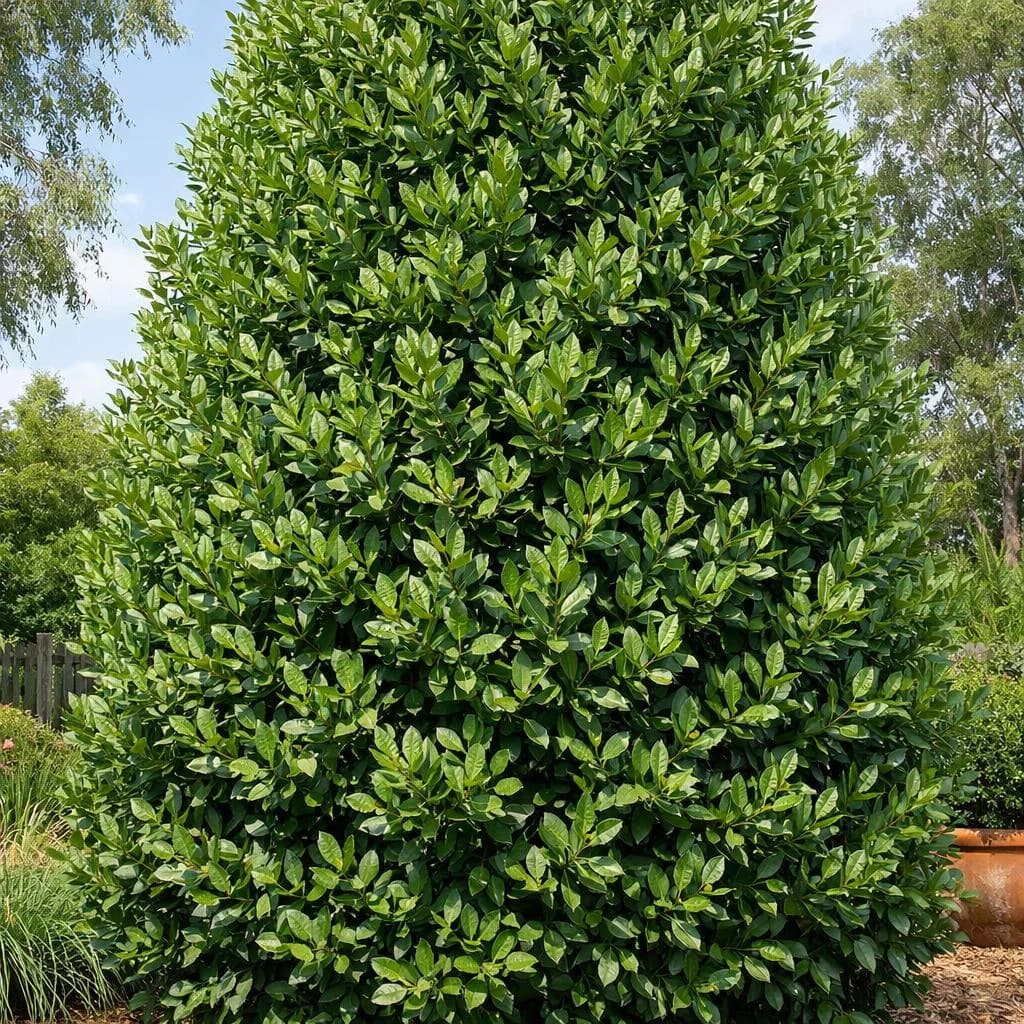
Mature Plant

Seed Production
Step 1
Prepare Your Space
100 cm
Plant Spacing
150 cm
Row Spacing
Vertical Growing
No.
Succession Planting
No.
Good Companions
Bad Companions
Step 2
Planting & Sprouting
Growing Tips
- 1Bay is a slow, long-lived evergreen that does brilliantly in a pot.
- 2Give it full sun and good drainage, don't overwater, and move it to a bright, frost-free place over winter in any zone below about 8.
Seedling Phase
Step 3
Growth & Maturity
200 cm
Mature Height
120 cm
Mature Width
Pests to Watch For
Diseases to Watch For
Mature Plant
Step 4
Harvesting
When to Pick
Pick leaves anytime once established; older leaves have the strongest flavour
How to Harvest
- 1Snip mature leaves as you need them.
- 2They're actually more flavourful dried than fresh.
- 3Take only a few from each branch so the plant keeps its shape.
Step 5
Saving Seeds
Seed Production
Still have a question?
Ask your coach about your bay laurel.
This page covers what we thought to write down. Your bay laurel will do something it never mentions, and that is the day a coach beats a guide. Ask Coach Lumen one question right now, free, no account.