Bee Balm Growing Guide
Bee Balm At a Glance
Difficulty
Easy
Category
Herb
Sun Exposure
Full Sun
Frost Tolerance
Frost Hardy
Cold Hardiness
Survives to -34°C
Plant Family
Lamiaceae
Growing Season
Warm Season
Plant Lifecycle
Perennial
How to Start It
★ Recommended for beginners
Lift and split the spreading clump in spring; replant the vigorous outer pieces and discard the woody centre.
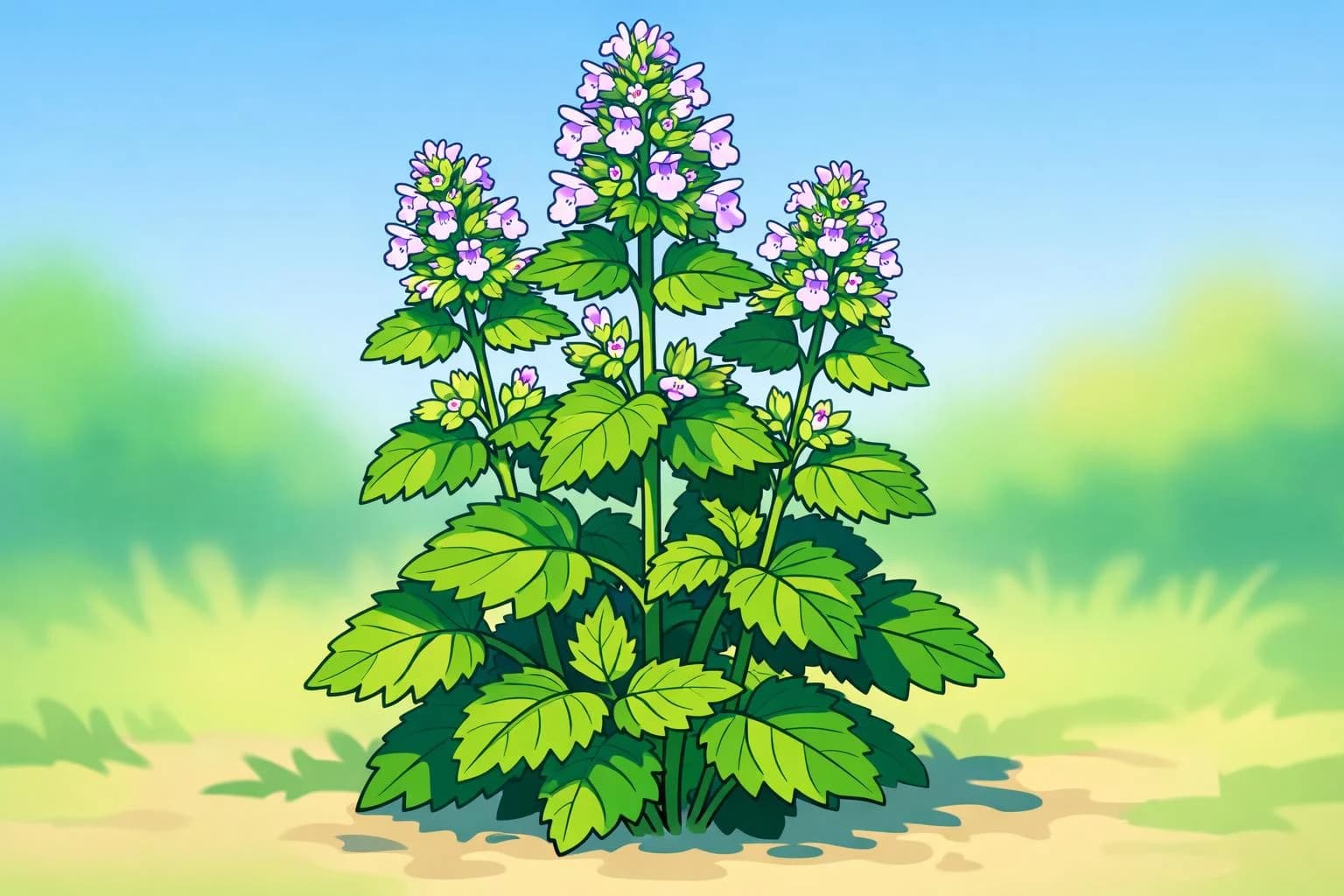
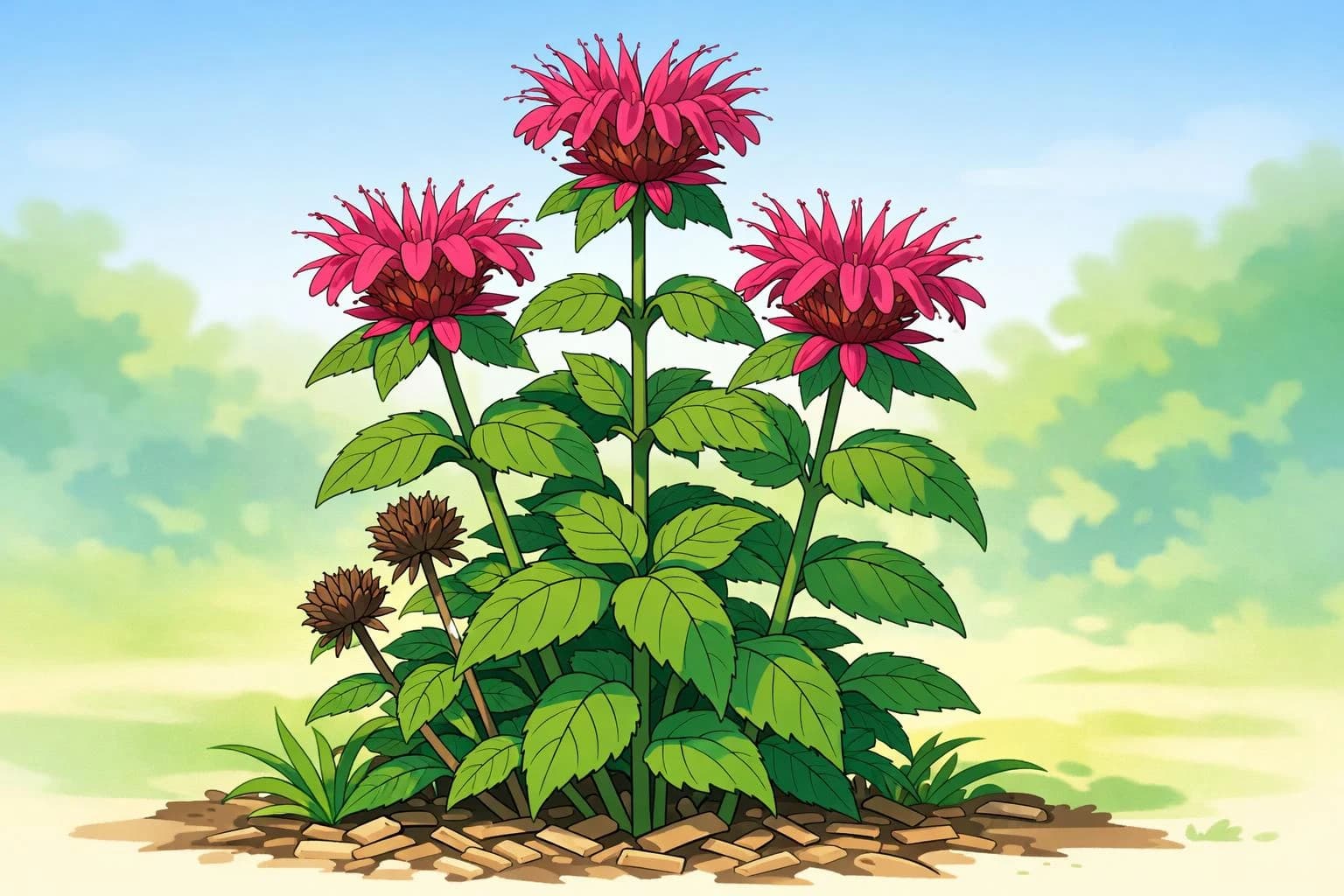
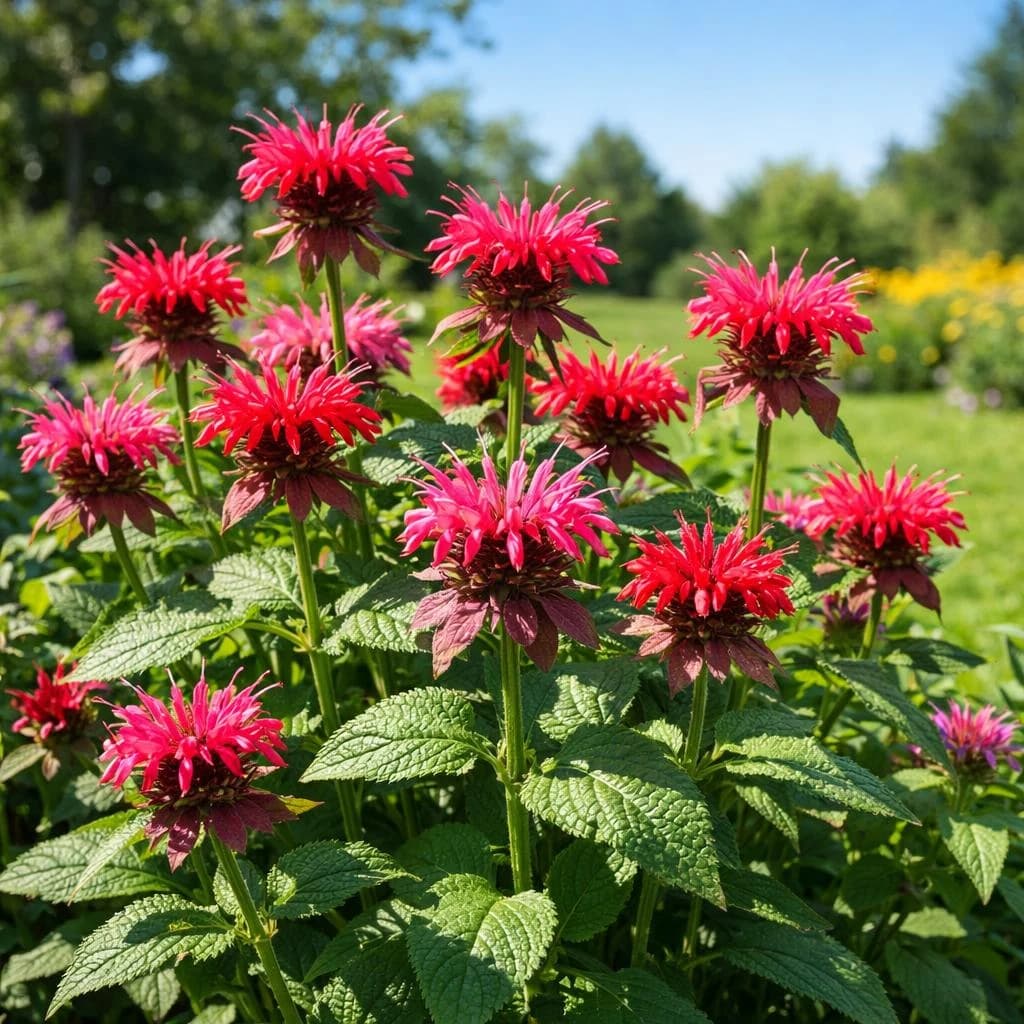
Bee balm (Monarda) is a magnet for bees and hummingbirds. It spreads by runners, so divide it every 2–3 years to keep it vigorous and in bounds. Choose mildew-resistant types.
When To Start
Bee Balm needs warmth. Wait until your last frost has passed and the soil has warmed before sowing.
We do not have exact sowing dates for this one yet.
When should you plant Bee Balm?
Your planting dates depend on your local climate. Sign up and add your location to unlock personalized dates.
Your Bee Balm Planting Window
Start planting
May 15, 2026
Last chance
Sep 10, 2026
Your Bee Balm Calendar
Set your location to turn these into exact dates and reminders.
Plant bee balm out
Around your last frost
Pick bee balm leaves for tea (before flowering)
75 days after your last frost· every year
Divide bee balm every few years (early spring)
1 week before your last frost· every year· optional
The Journey Ahead
Bee Balm's Lifecycle
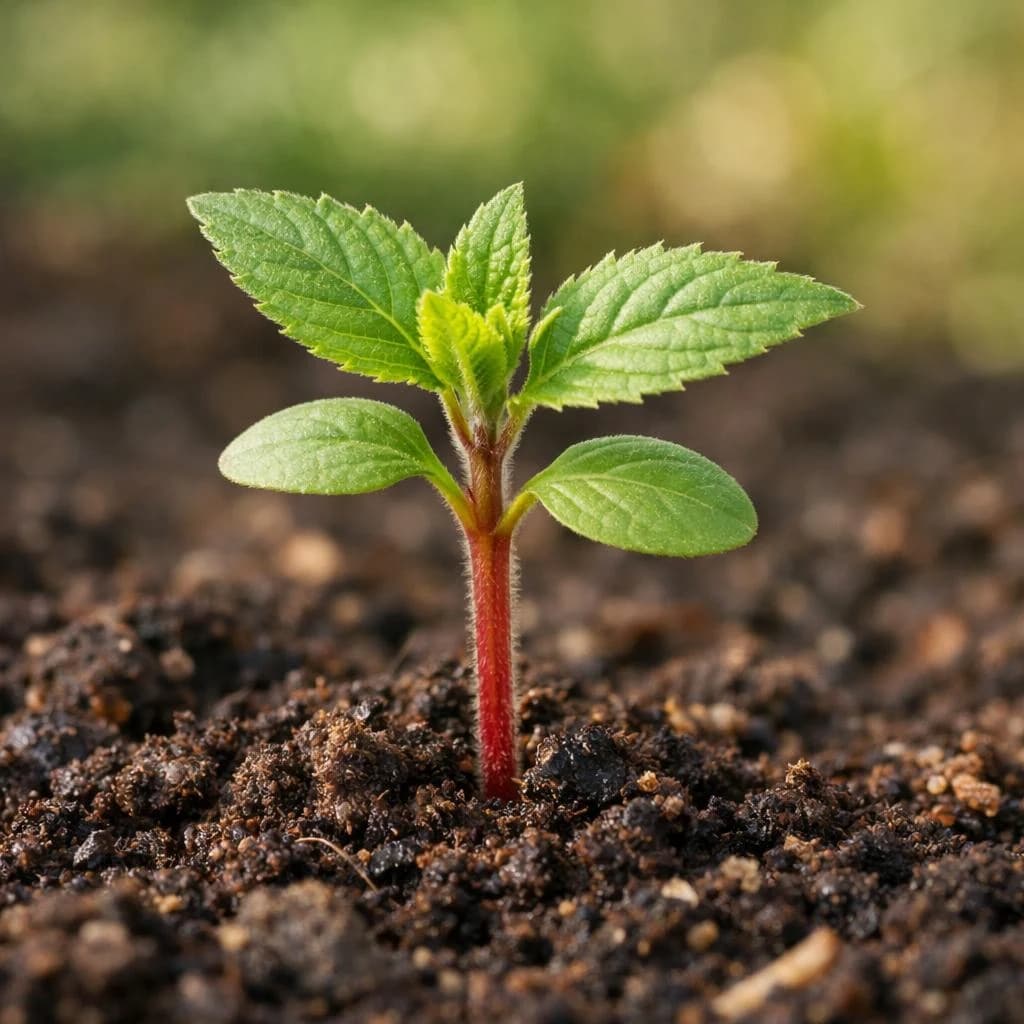
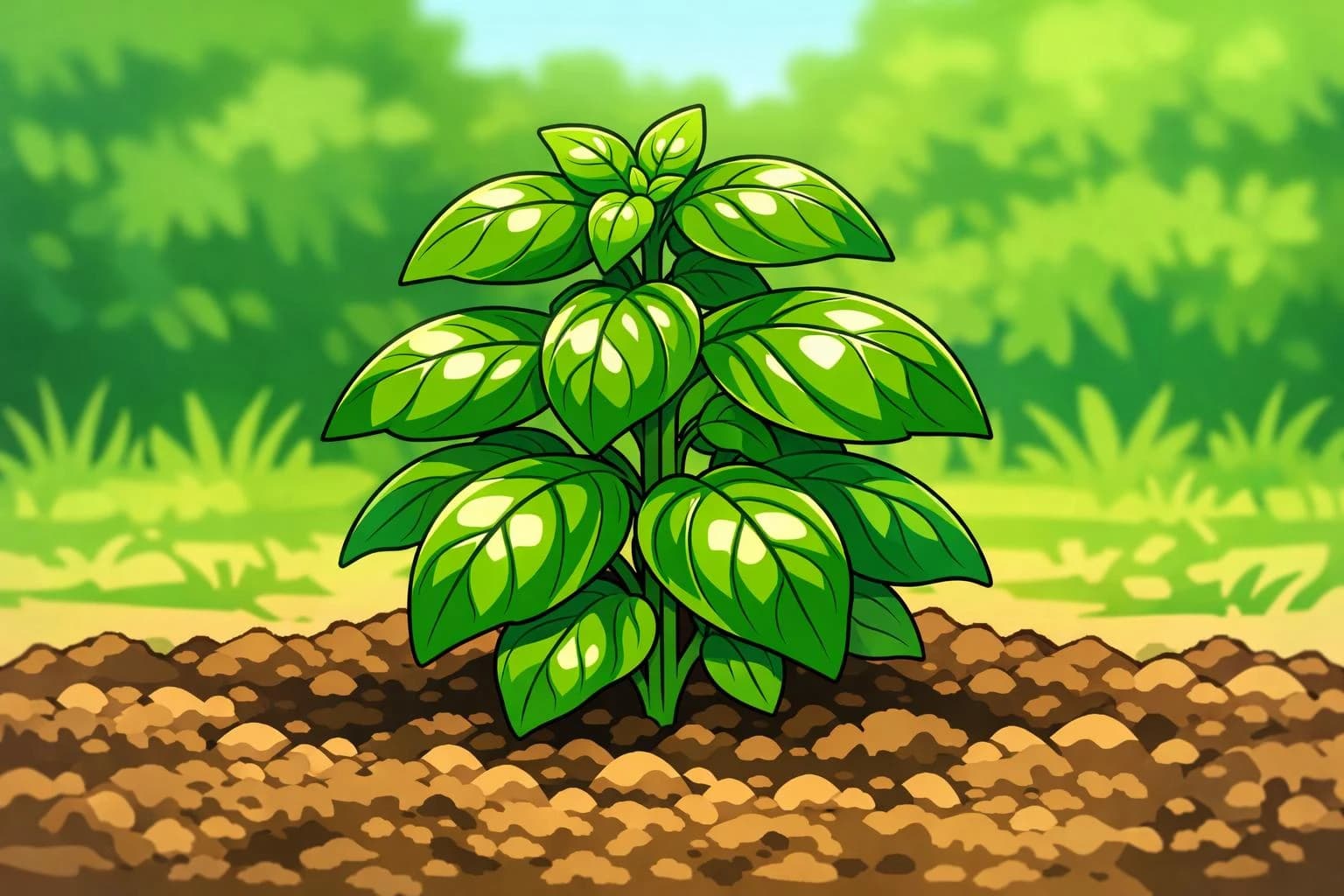
Seedling
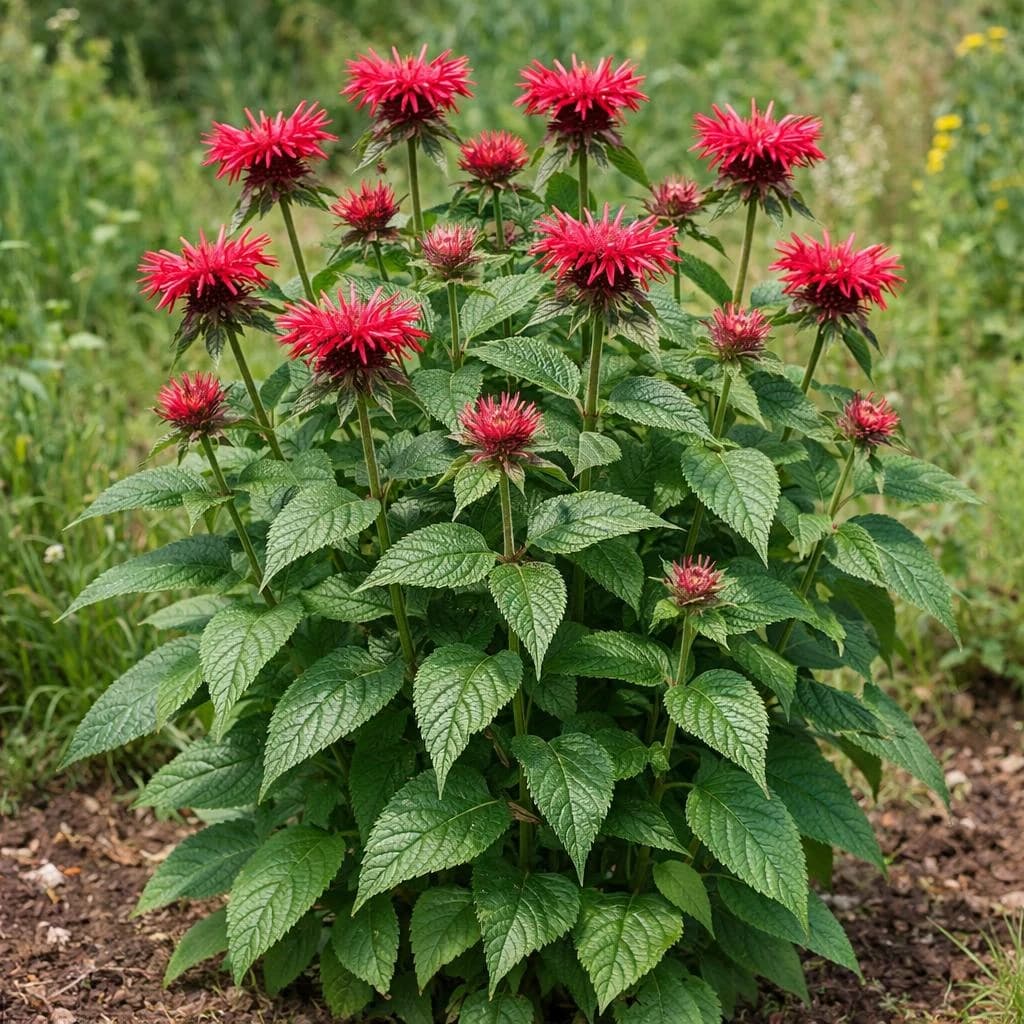
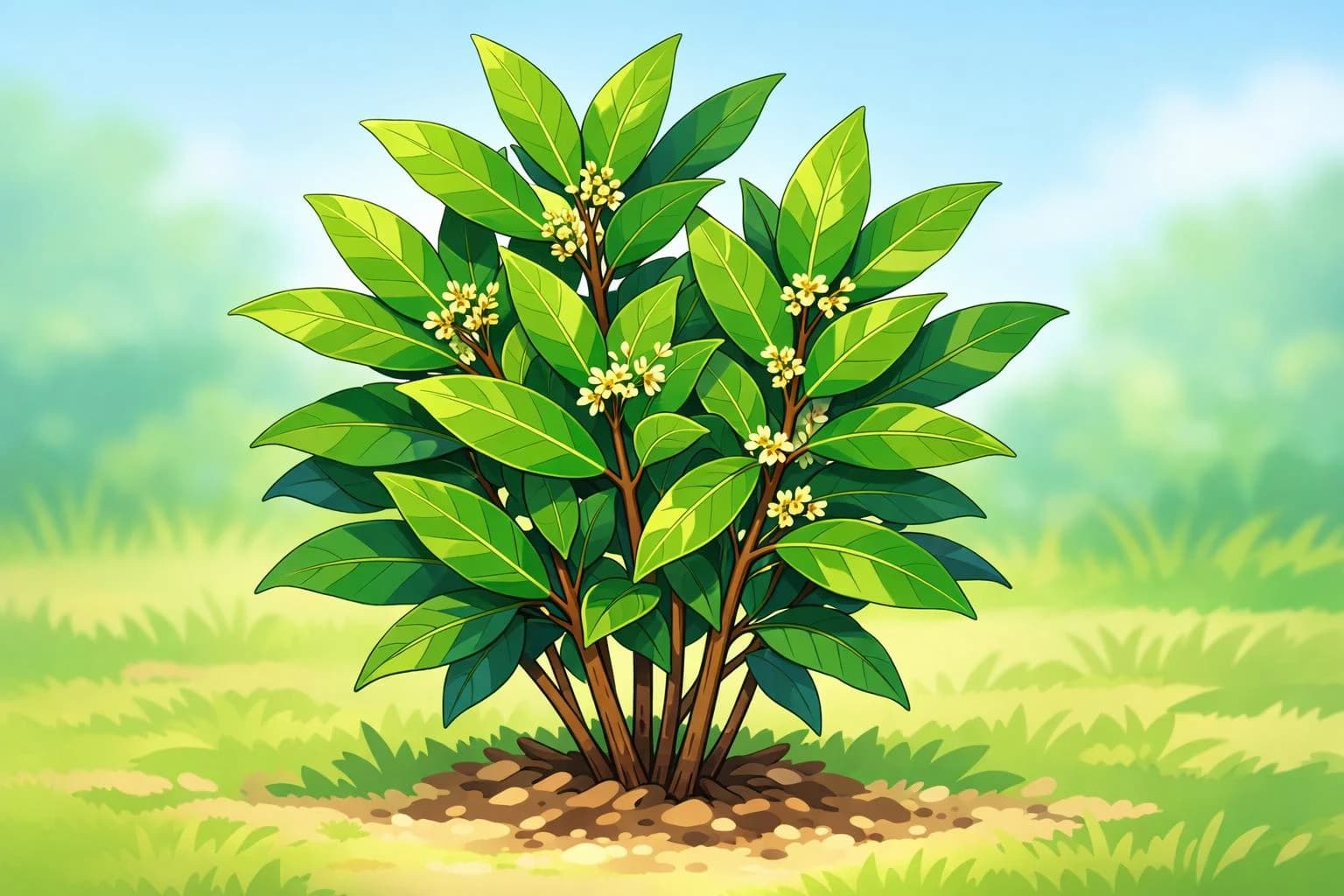
Mature Plant
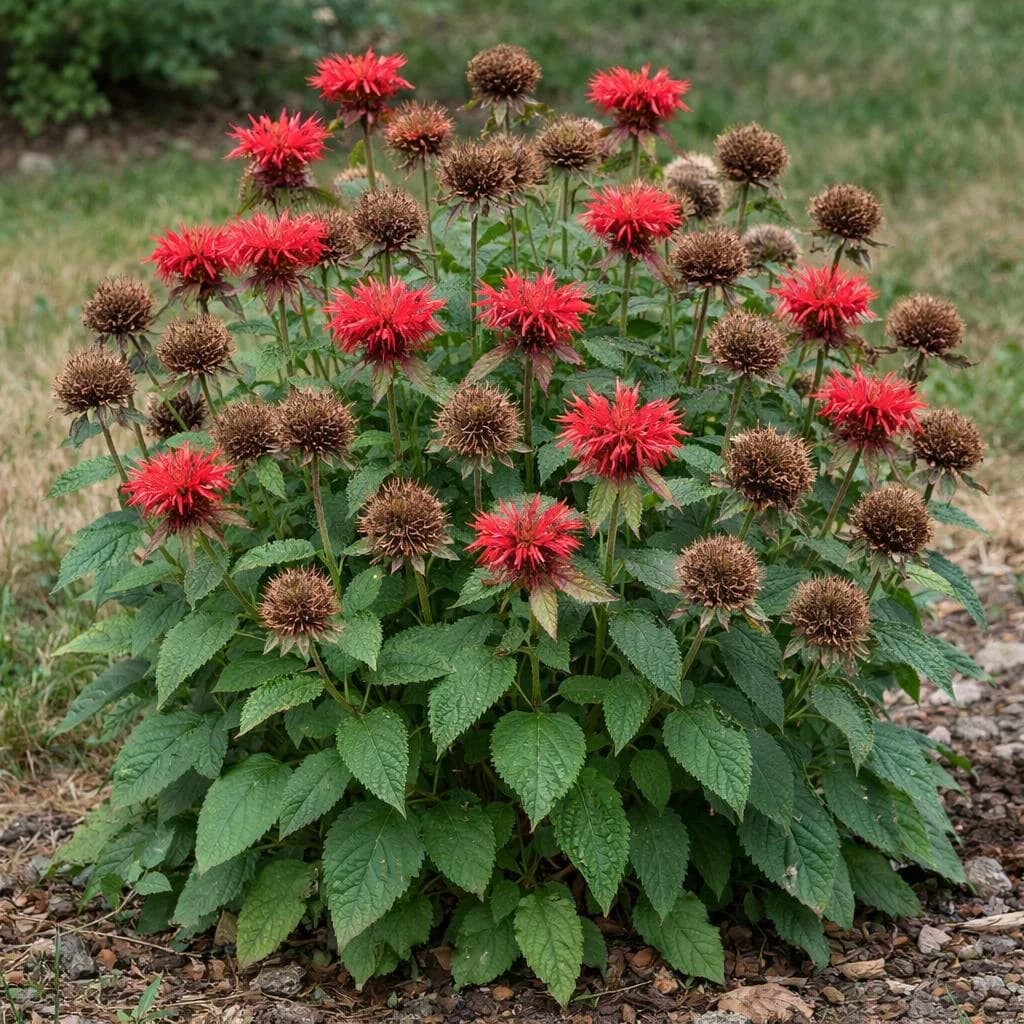
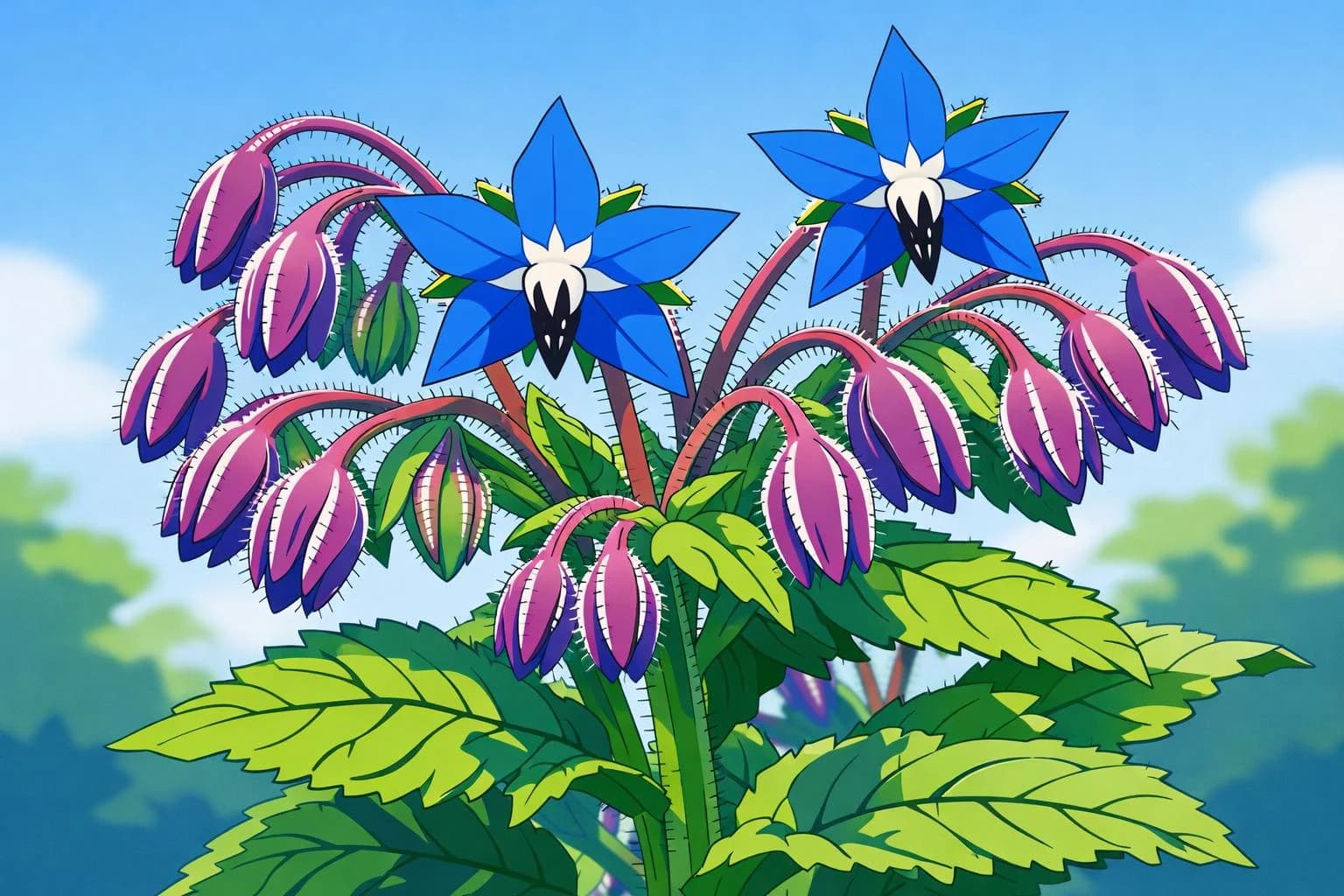
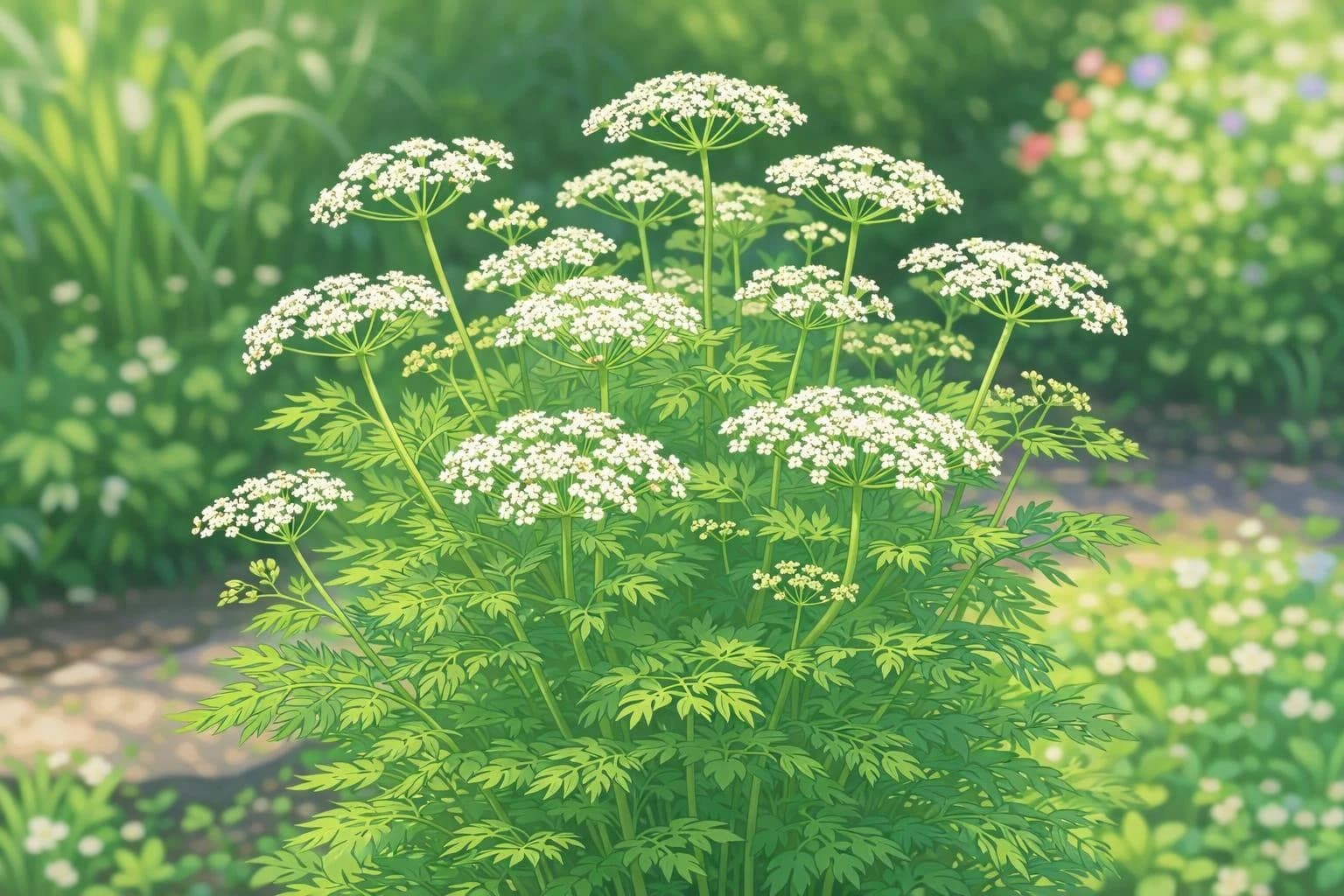
Seed Production
Step 2
Planting & Sprouting
Expect sprouts in 10–21 days
Growing Tips
- 1Give bee balm full sun, decent air flow and steady moisture: crowded, dry plants get powdery mildew.
- 2Cut it back after flowering, and divide every few years.
Seedling Phase
Step 3
Growth & Maturity
90 cm
Mature Height
60 cm
Mature Width
Pests to Watch For
Diseases to Watch For
Mature Plant
Step 4
Harvesting
When to Pick
Pick leaves before flowering for tea; flowers are edible too
How to Harvest
- 1Snip leaves anytime.
- 2They're best for tea just before the plant flowers.
- 3The whole flower is edible and pretty in salads.
Step 5
Saving Seeds
How to Save Seeds
Let the seed heads dry on the plant, then crumble them over a bowl to collect the tiny seeds.
Seed Production
Still have a question?
Ask your coach about your bee balm.
This page covers what we thought to write down. Your bee balm will do something it never mentions, and that is the day a coach beats a guide. Ask Coach Lumen one question right now, free, no account.