Pawpaw Growing Guide
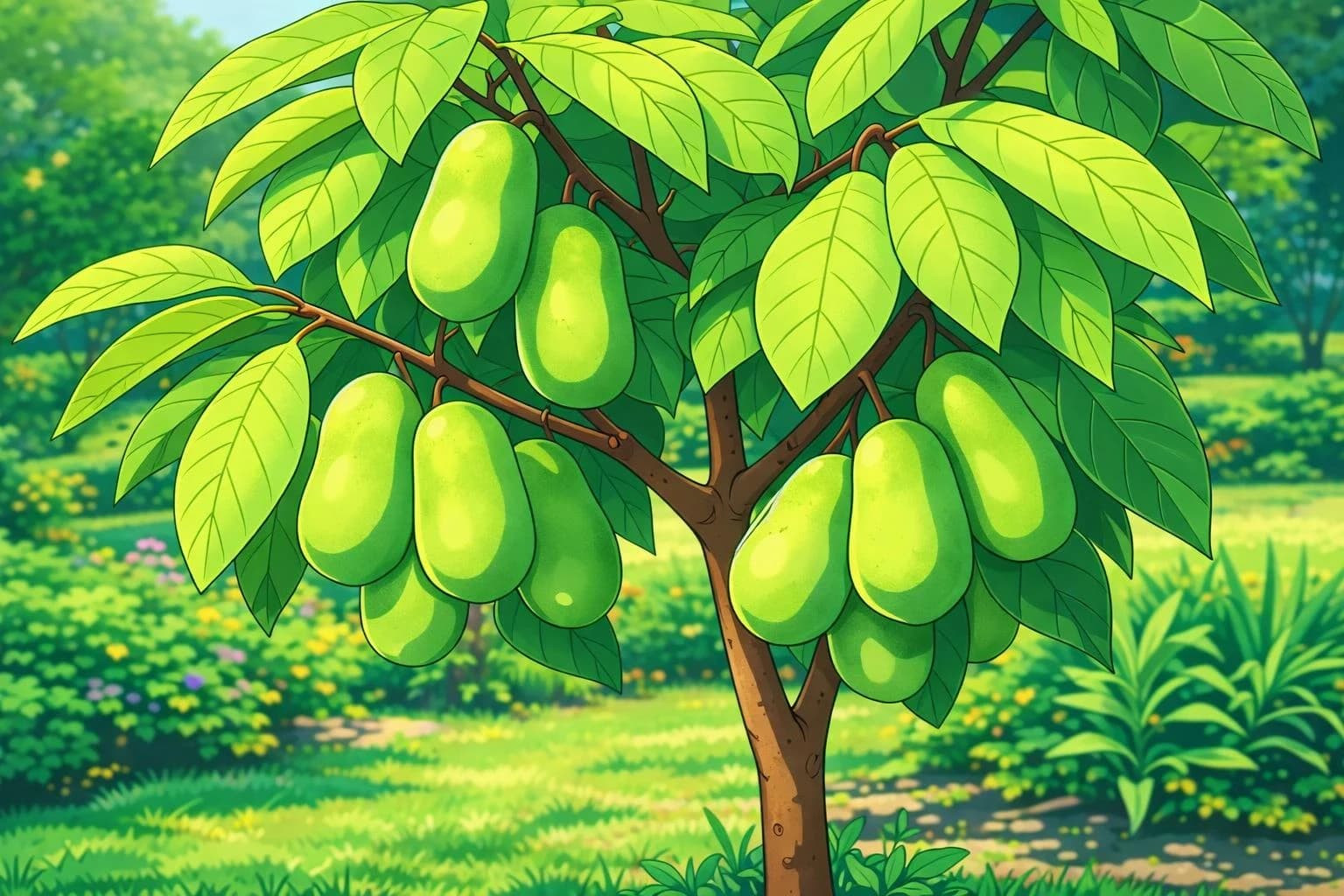
Pawpaw At a Glance
Difficulty
Moderate
Category
Tree Fruit
Sun Exposure
Partial Shade
Frost Tolerance
Frost Hardy
Cold Hardiness
Survives to -25°C
Plant Family
Annonaceae
Growing Season
Warm Season
Plant Lifecycle
Perennial
How to Start It
★ Recommended for beginners
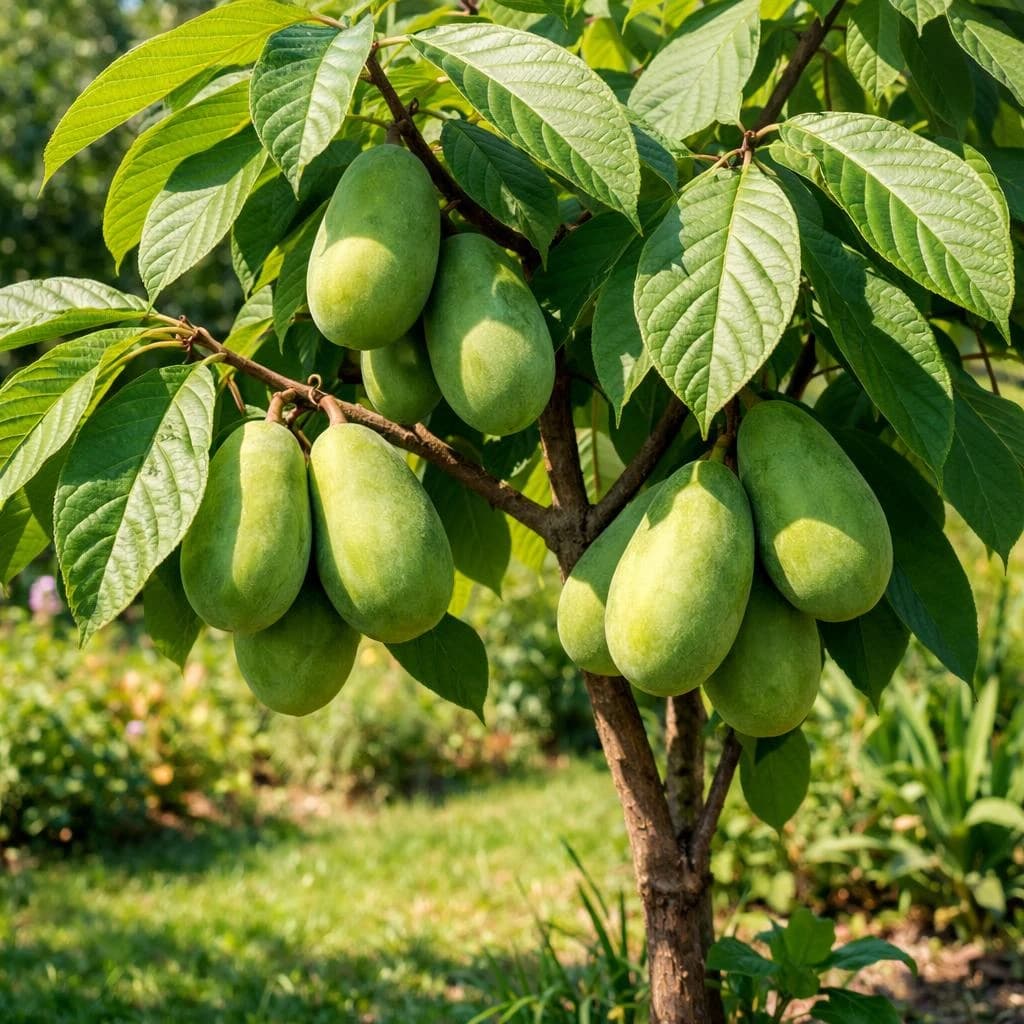
Plant two different named grafted trees (for pollination and bigger fruit) from pots: bare-root pawpaws transplant poorly. Shade the saplings for the first couple of years.
North America's largest native fruit, with custardy mango-banana flesh, yet barely sold because it bruises and doesn't keep. KEY: plant at least TWO genetically different trees (it's not self-fertile, and is fly/beetle-pollinated, not bee). Young trees need shade their first 1–2 years, then full sun. The taproot hates disturbance. Buy potted, plant carefully.
When To Start
Pawpaw needs warmth. Wait until your last frost has passed and the soil has warmed before sowing.
We do not have exact sowing dates for this one yet.
When should you plant Pawpaw?
Your planting dates depend on your local climate. Sign up and add your location to unlock personalized dates.
Your Pawpaw Planting Window
Start planting
May 15, 2026
Last chance
Sep 10, 2026
Your Pawpaw Calendar
Set your location to turn these into exact dates and reminders.
Plant two pawpaw trees (shade them when young)
Around your last frost
Check for ripe pawpaws (soft, fragrant, or windfalls)
160 days after your last frost· every year
The Journey Ahead
Pawpaw's Lifecycle

Seedling
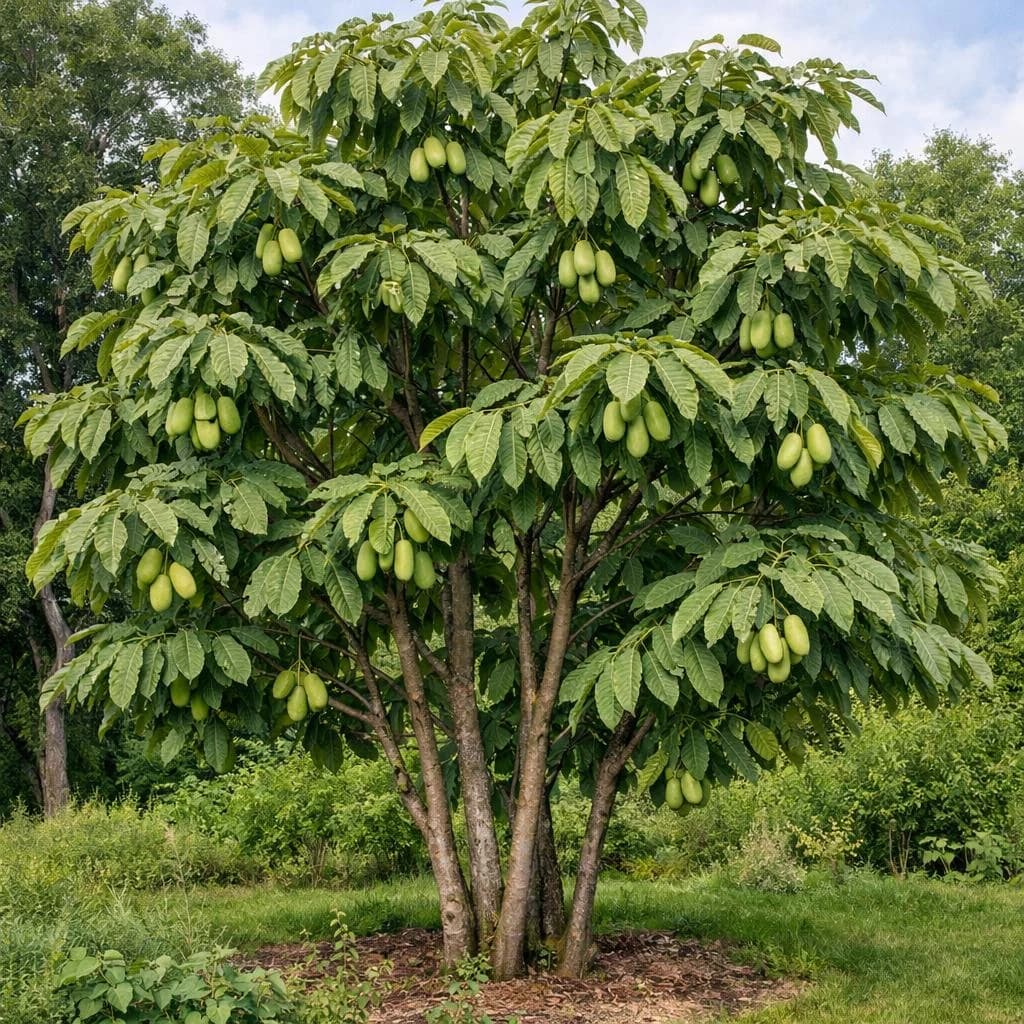
Mature Plant
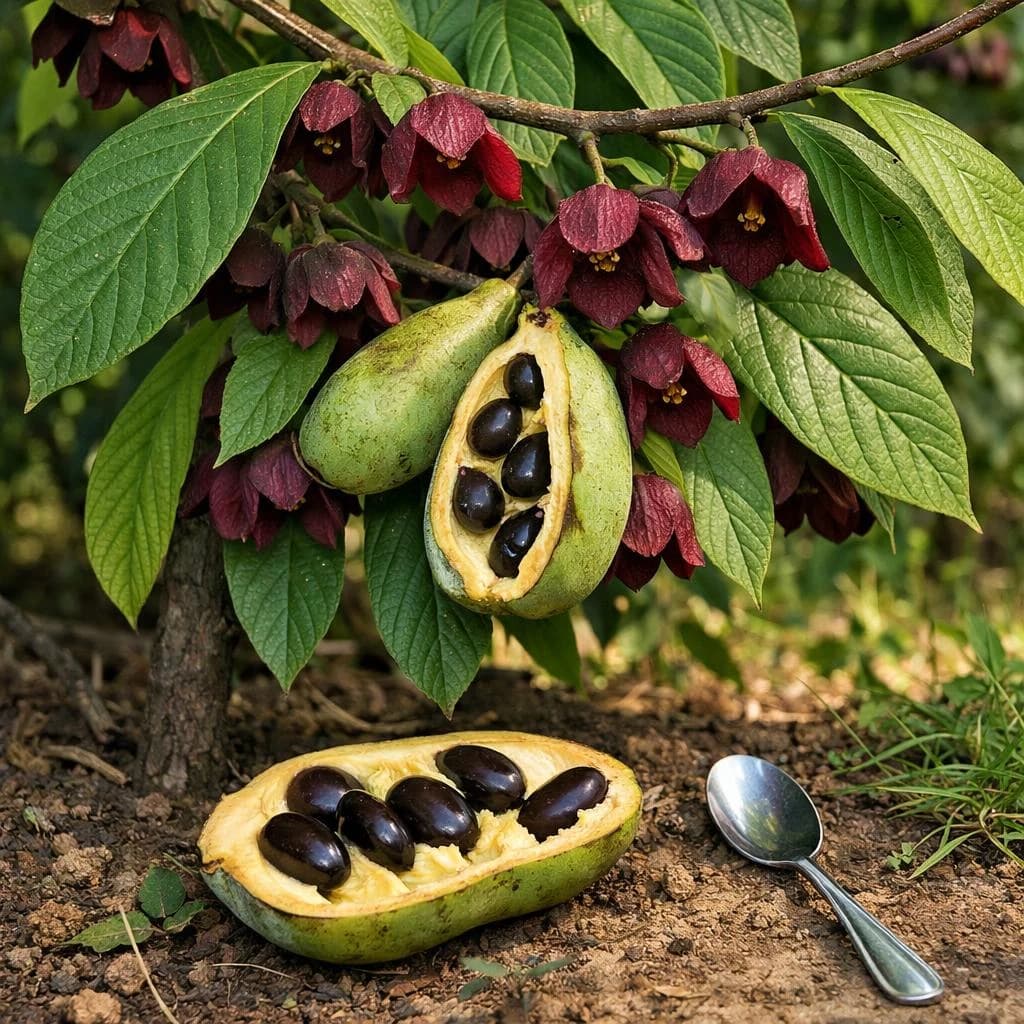
Seed Production
Step 1
Prepare Your Space
400 cm
Plant Spacing
500 cm
Row Spacing
Vertical Growing
No.
Succession Planting
No.
Good Companions
Bad Companions
Step 2
Planting & Sprouting
Growing Tips
- 1Pawpaws are unusual: shade the young trees, then give them sun; plant two for pollination; and don't disturb the taproot.
- 2Once established they're hardy and pest-free.
- 3Hand-pollinating the unusual maroon flowers (they smell faintly of rot to attract flies) noticeably boosts fruit set.
Seedling Phase
Step 3
Growth & Maturity
500 cm
Mature Height
350 cm
Mature Width
Pests to Watch For
Diseases to Watch For
Mature Plant
Step 4
Harvesting
Harvest Window
21 days
When to Pick
Pick when the fruit softens and smells fragrant, or gather windfalls; eat/freeze fast
How to Harvest
- 1Harvest when the fruit gives to a gentle squeeze and smells sweet and fragrant: ripe pawpaws often drop, and windfalls are perfect.
- 2They only keep a few days at room temperature (a bit longer chilled), so eat or freeze the pulp quickly.
Step 5
Saving Seeds
Seed Production
Still have a question?
Ask your coach about your pawpaw.
This page covers what we thought to write down. Your pawpaw will do something it never mentions, and that is the day a coach beats a guide. Ask Coach Lumen one question right now, free, no account.