Persimmon Growing Guide
Persimmon At a Glance
Difficulty
Moderate
Category
Tree Fruit
Sun Exposure
Full Sun
Frost Tolerance
Frost Hardy
Cold Hardiness
Survives to -20°C
Plant Family
Ebenaceae
Growing Season
Warm Season
Plant Lifecycle
Perennial
How to Start It
★ Recommended for beginners
Plant a bare-root grafted tree while dormant. Pick the type for your climate and taste: hardy American (needs a pollinator) or sweeter Asian (often self-fertile, frost-tender). Persimmons dislike root disturbance, so plant carefully.
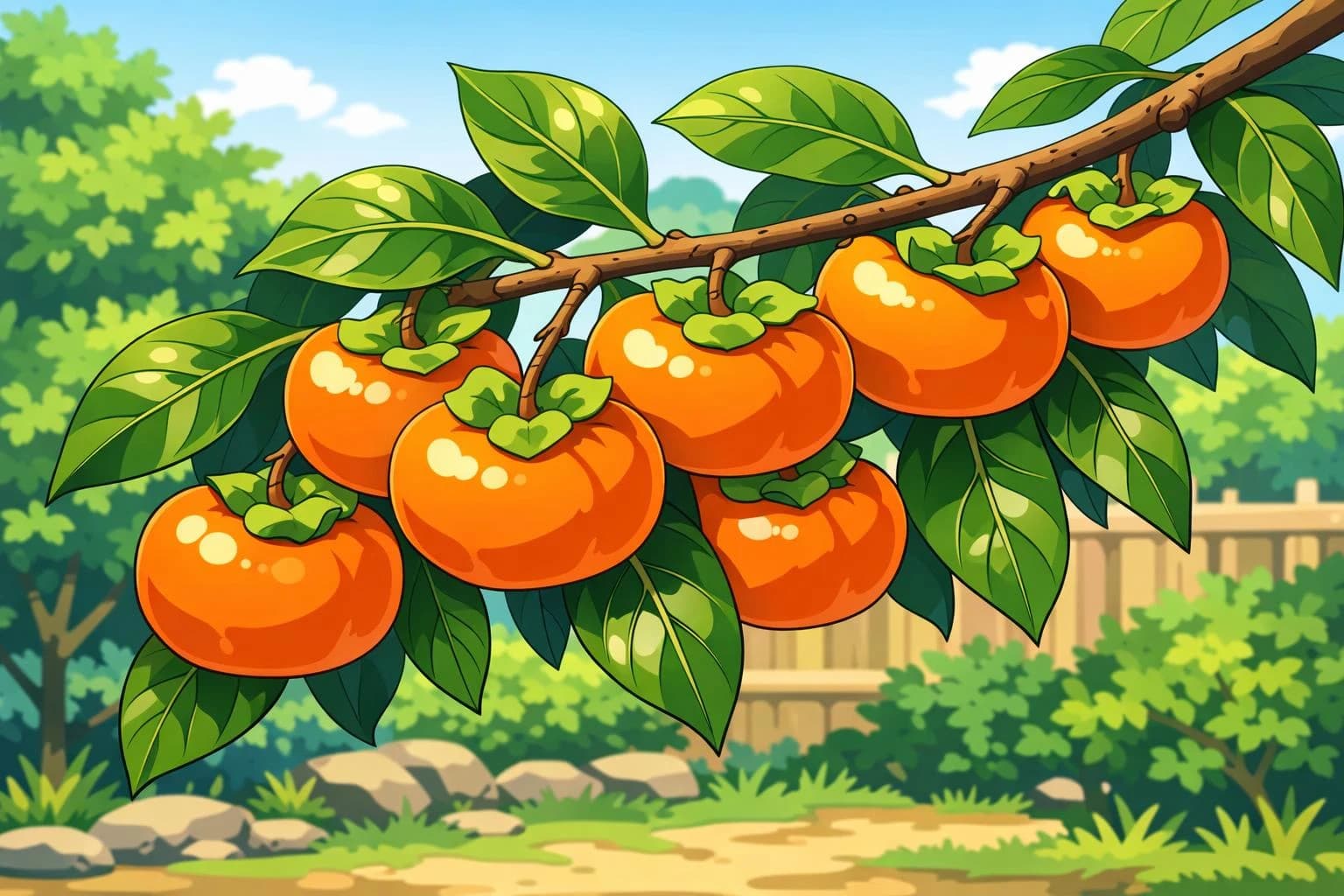
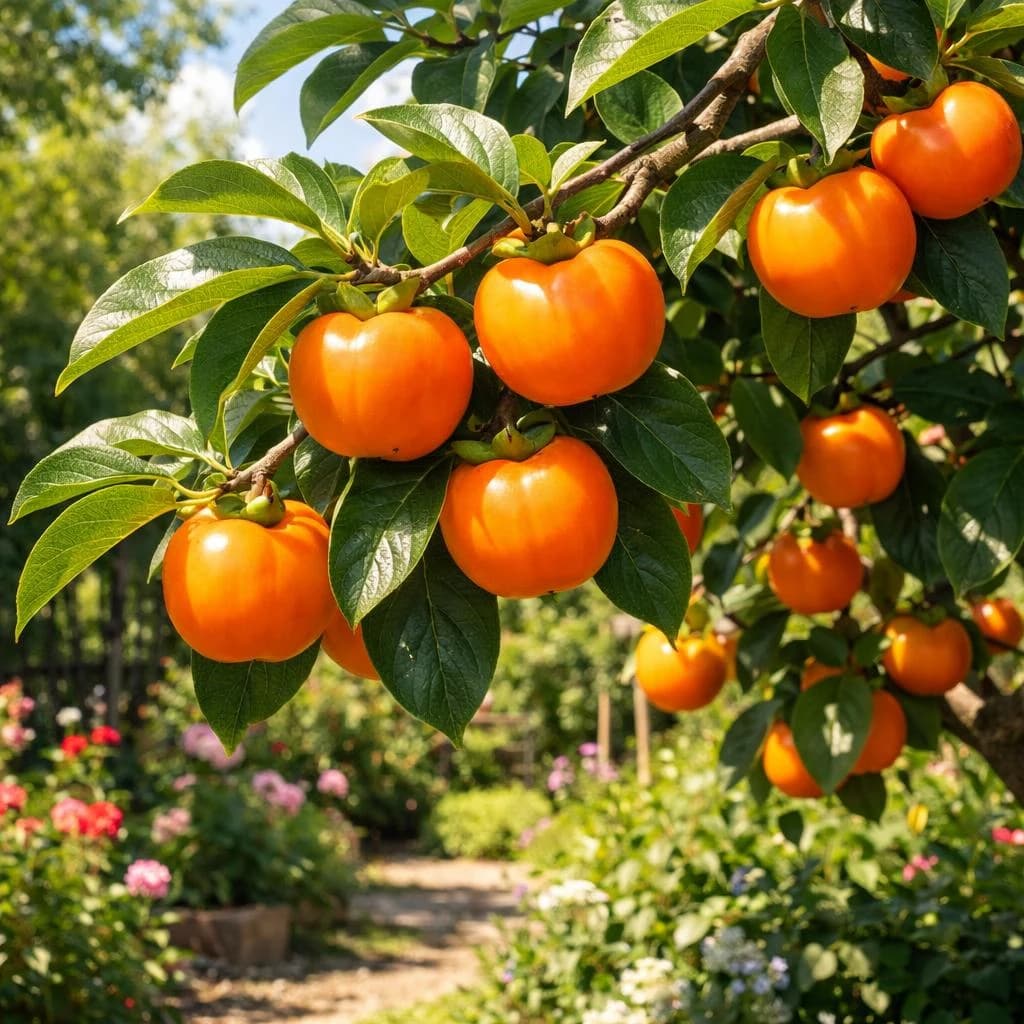
Two main types: AMERICAN persimmons are very hardy (to about -20°C) but small and need a pollinator; ASIAN (Fuyu/Hachiya) are bigger, often self-fertile, but tender. KEY: 'astringent' types (e.g. Hachiya) are mouth-puckering until jelly-soft ripe; 'non-astringent' (e.g. Fuyu) can be eaten firm. The autumn tree, hung with orange fruit after the leaves drop, is gorgeous.
When To Start
Persimmon needs warmth. Wait until your last frost has passed and the soil has warmed before sowing.
We do not have exact sowing dates for this one yet.
When should you plant Persimmon?
Your planting dates depend on your local climate. Sign up and add your location to unlock personalized dates.
Your Persimmon Planting Window
Start planting
May 15, 2026
Last chance
Sep 10, 2026
Your Persimmon Calendar
Set your location to turn these into exact dates and reminders.
Plant your bare-root persimmon (handle roots gently)
30 days before your last frost
Pick persimmons (firm if Fuyu; ripen Hachiya soft)
170 days after your last frost· every year
The Journey Ahead
Persimmon's Lifecycle
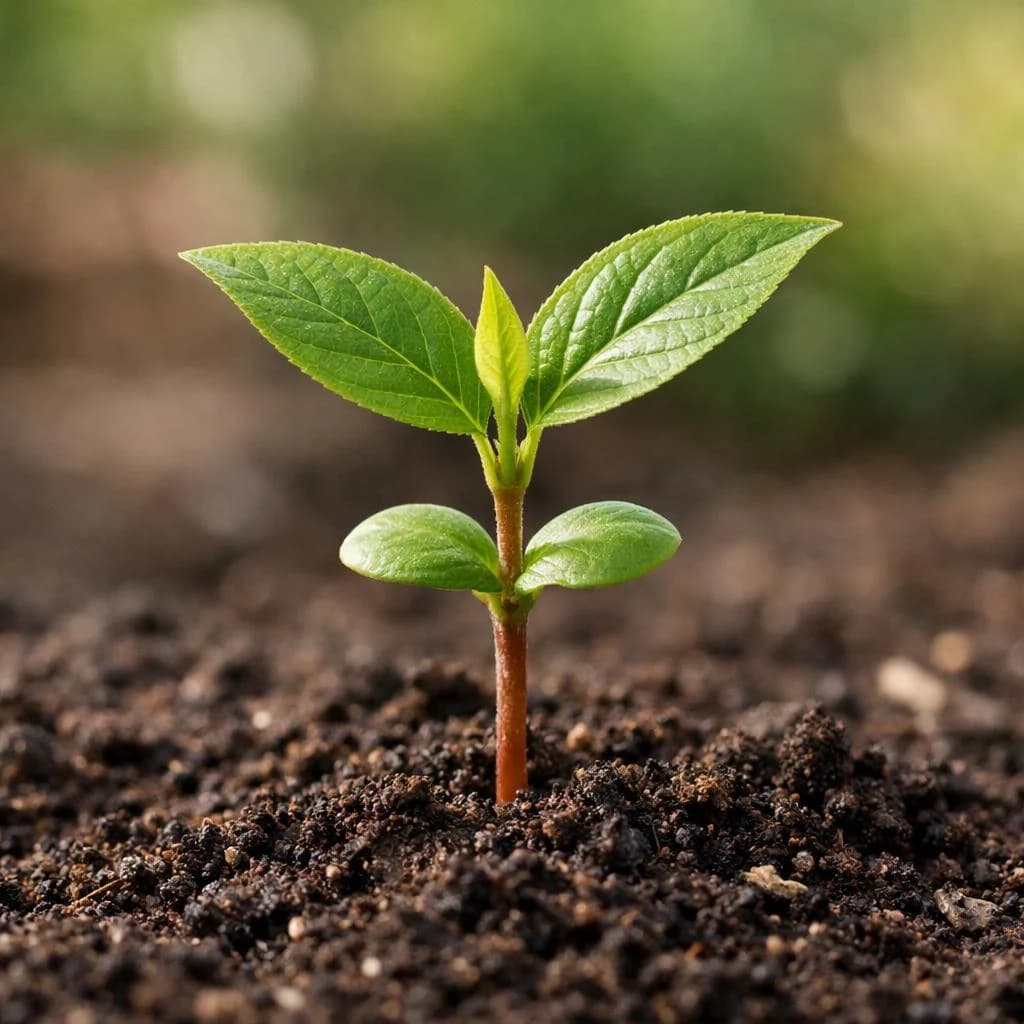
Seedling
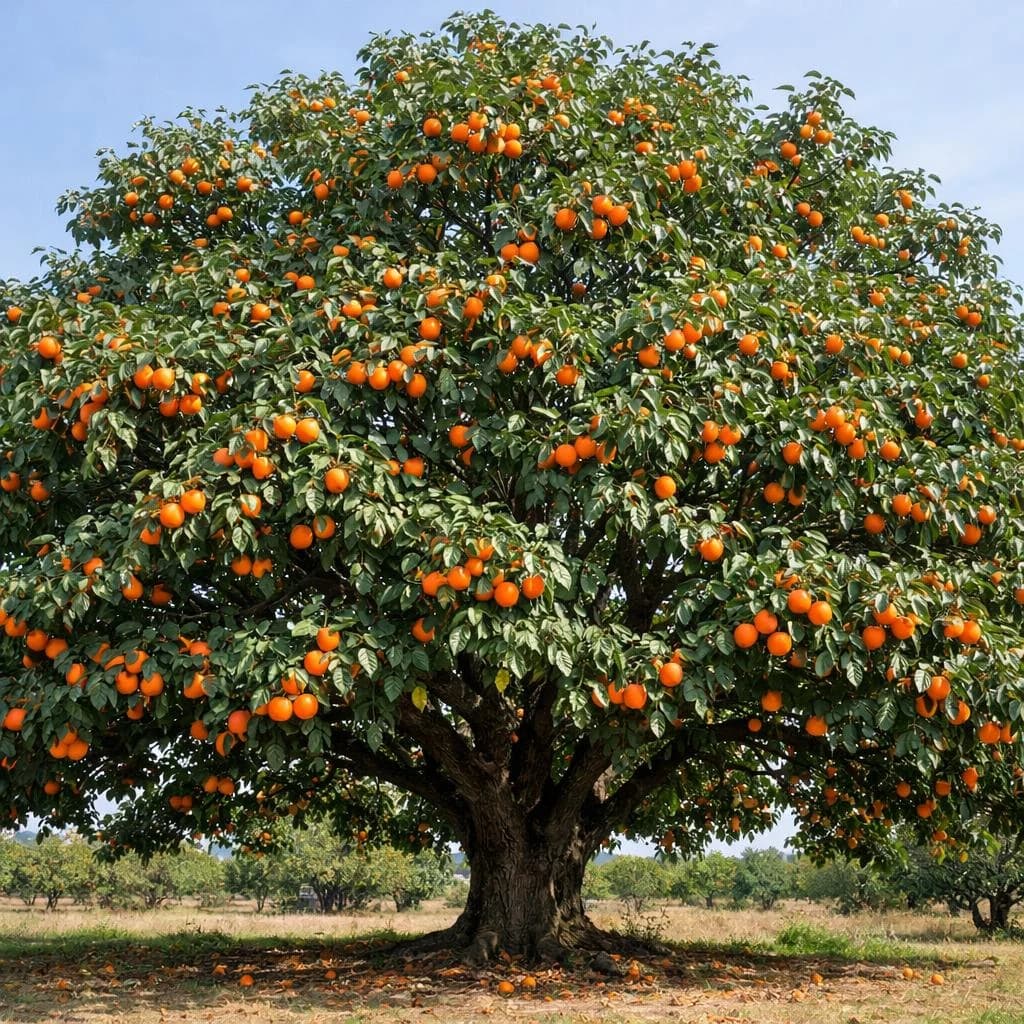
Mature Plant
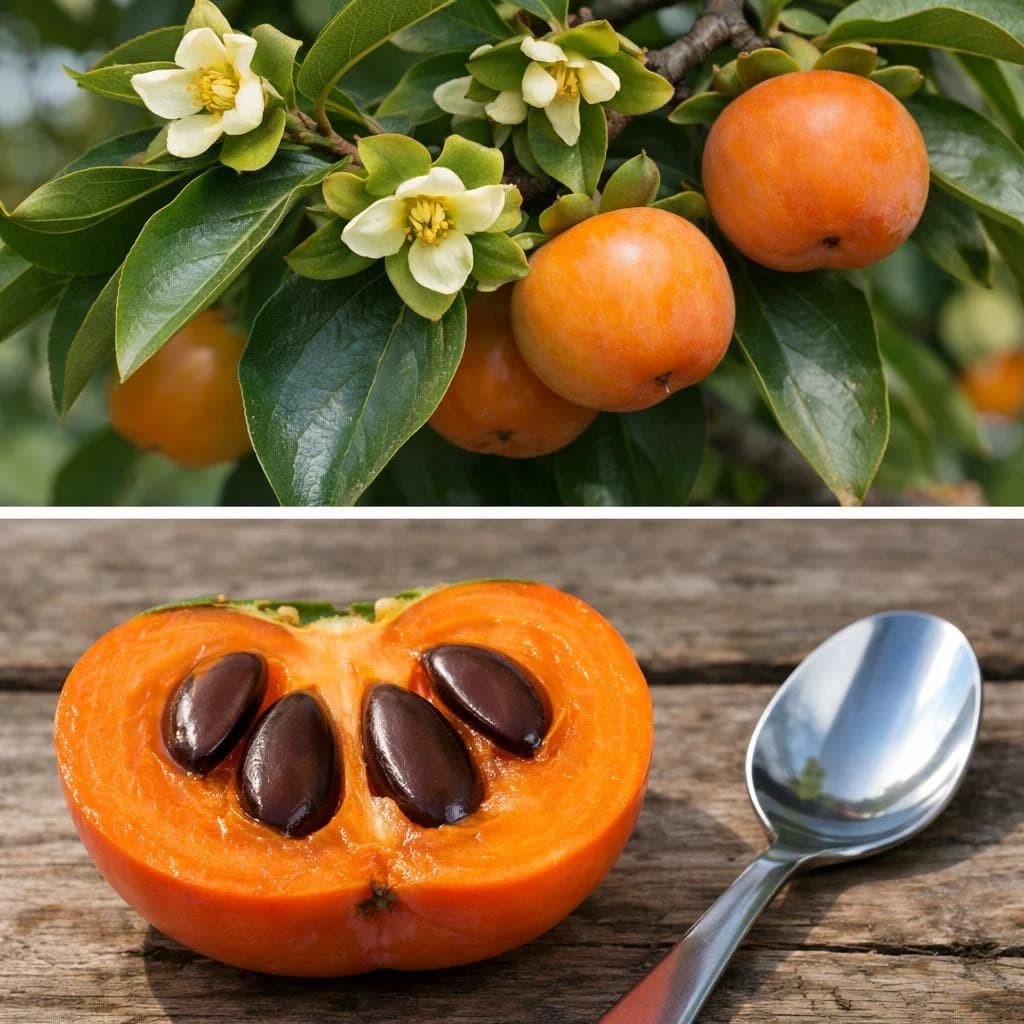
Seed Production
Step 1
Prepare Your Space
450 cm
Plant Spacing
550 cm
Row Spacing
Vertical Growing
No.
Succession Planting
No.
Good Companions
Bad Companions
Step 2
Planting & Sprouting
Growing Tips
- 1Persimmons are low-care once established: full sun, decent drainage, little pruning, and few pests.
- 2The trees fruit best left largely unpruned.
- 3The whole skill is knowing your type: eat non-astringent firm; ripen astringent ones to a soft jelly first.
- 4Spectacular autumn colour and fruit.
Seedling Phase
Step 3
Growth & Maturity
500 cm
Mature Height
400 cm
Mature Width
Pests to Watch For
Diseases to Watch For
Mature Plant
Step 4
Harvesting
Harvest Window
30 days
When to Pick
Astringent types: pick hard, ripen to jelly-soft. Non-astringent: pick firm.
How to Harvest
- 1For non-astringent (Fuyu) types, pick when fully orange and still crisp.
- 2For astringent (Hachiya) types, cut them with secateurs (the fruit clings) when fully coloured but still hard, then ripen them indoors until jelly-soft: eating one early is an unforgettable, puckering mistake.
Step 5
Saving Seeds
Seed Production
Still have a question?
Ask your coach about your persimmon.
This page covers what we thought to write down. Your persimmon will do something it never mentions, and that is the day a coach beats a guide. Ask Coach Lumen one question right now, free, no account.