Columbine Growing Guide
Columbine At a Glance
Difficulty
Easy
Category
Flower
Sun Exposure
Partial Shade
Frost Tolerance
Frost Hardy
Cold Hardiness
Survives to -40°C
Plant Family
Ranunculaceae
Growing Season
Cool Season
Plant Lifecycle
Perennial
How to Start It
★ Recommended for beginners
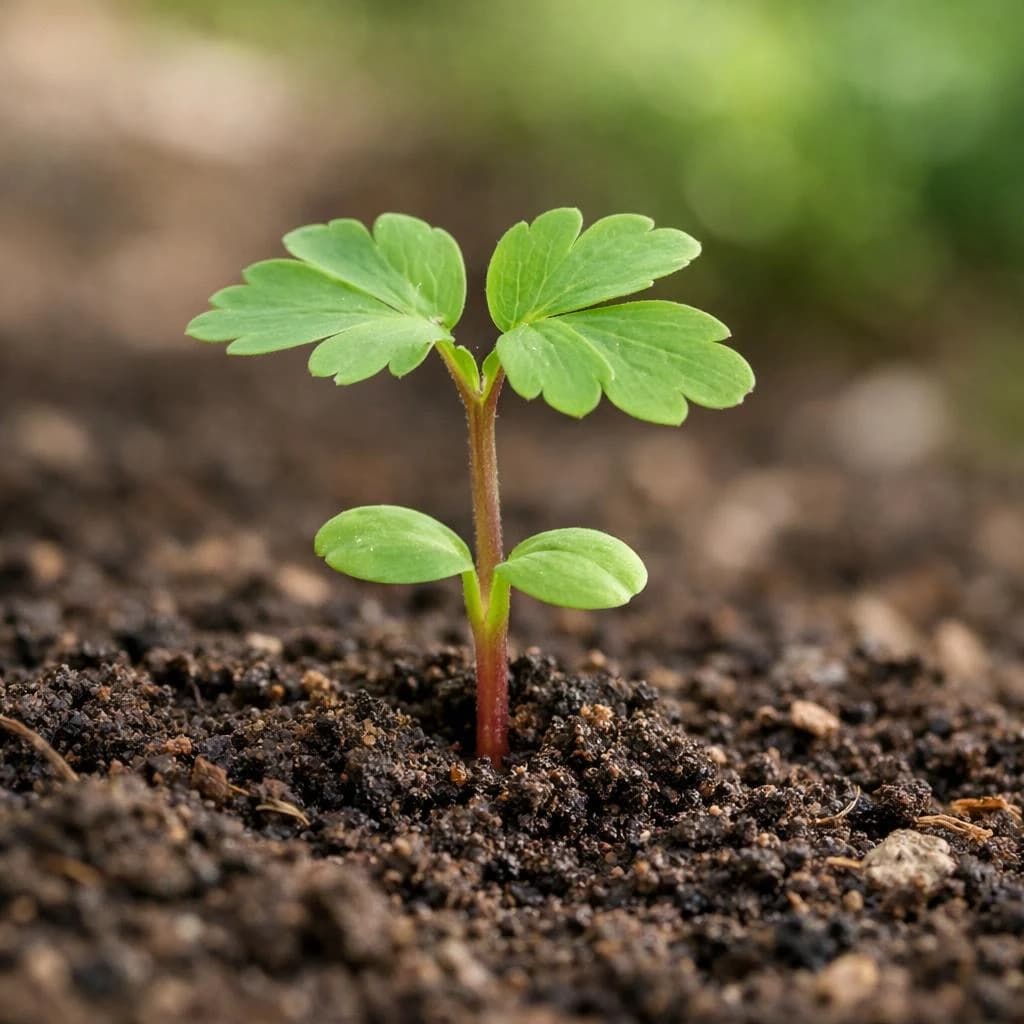
Scatter fresh seed (it likes a cold spell to germinate) or simply leave seed heads to drop. You'll have a steady supply of new plants for free.
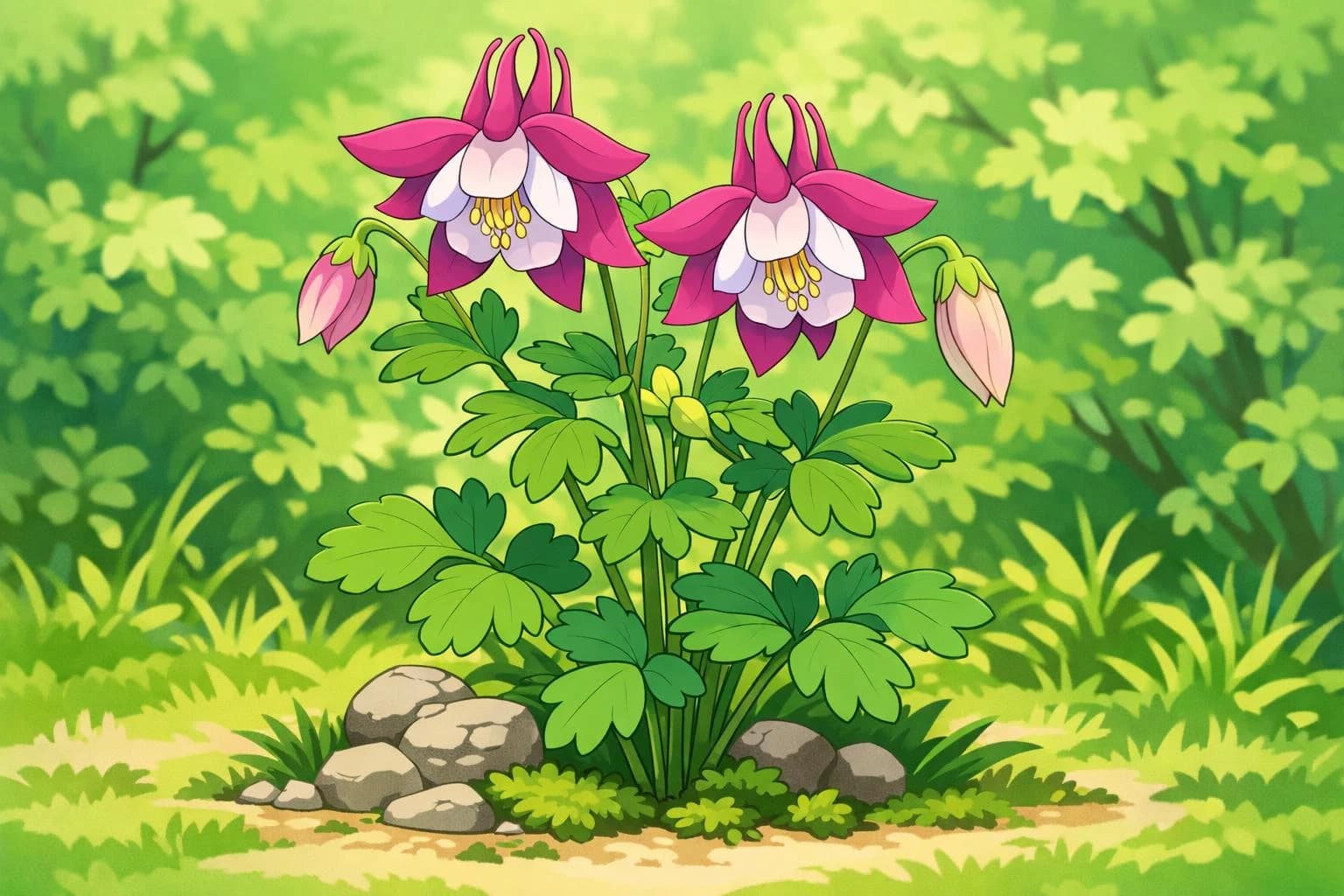
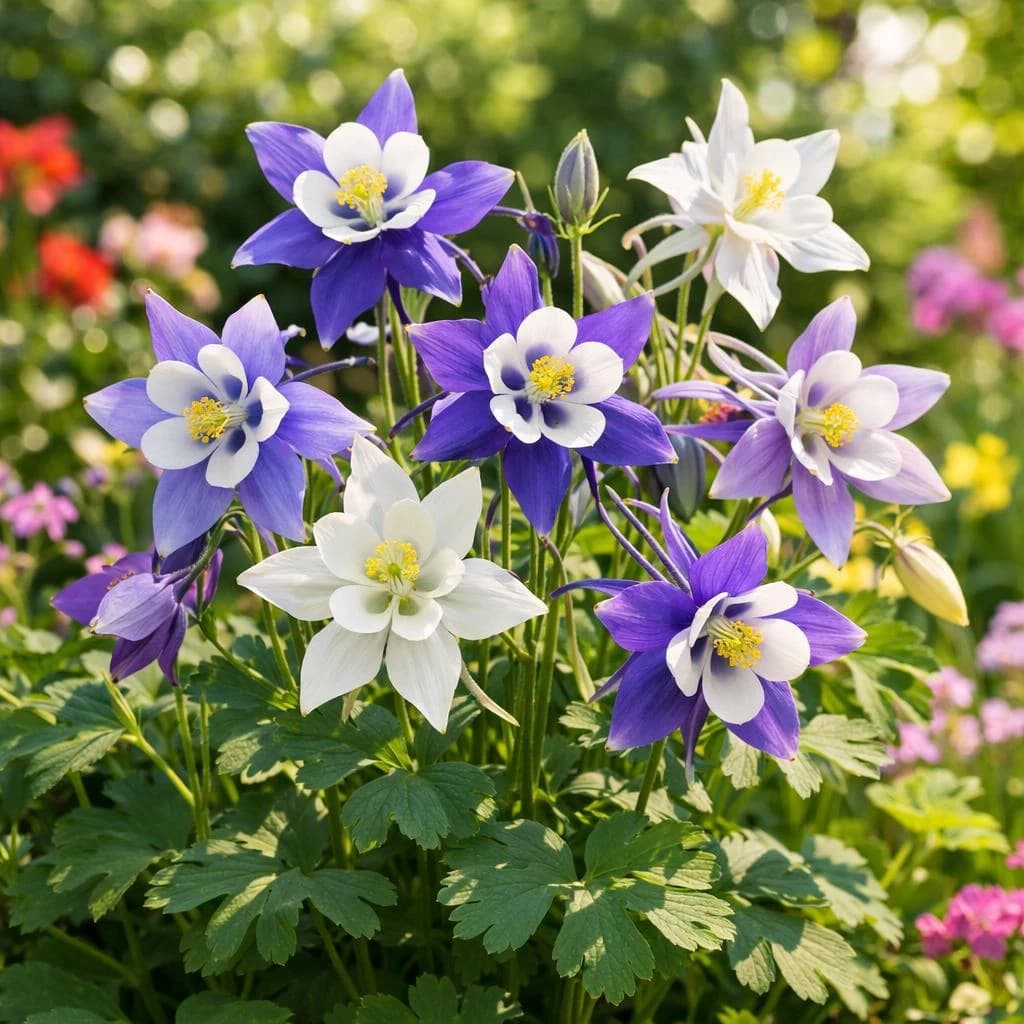
A delicate, intricate cottage-garden perennial with distinctive spurred, bell-like flowers in late spring, beloved by bees and hummingbirds. It's short-lived (2–3 years), but it self-seeds so freely that it effectively becomes permanent, gently popping up around the garden. It hybridises readily too, so home-saved seedlings surprise you with new colours. Easy and undemanding in sun or part shade.
When To Start
Columbine likes cool weather. Sow it in early spring, as soon as the ground can be worked.
We do not have exact sowing dates for this one yet.
When should you plant Columbine?
Your planting dates depend on your local climate. Sign up and add your location to unlock personalized dates.
Your Columbine Planting Window
Start planting
May 15, 2026
Last chance
Sep 10, 2026
Your Columbine Calendar
Set your location to turn these into exact dates and reminders.
Plant / sow columbine (sun or part shade)
Around your last frost· every year
Deadhead columbine (leave some seed heads to self-sow)
45 days after your last frost· every year· optional
Cut columbine back after bloom for fresh foliage
75 days after your last frost· every year· optional
The Journey Ahead
Columbine's Lifecycle
Seedling
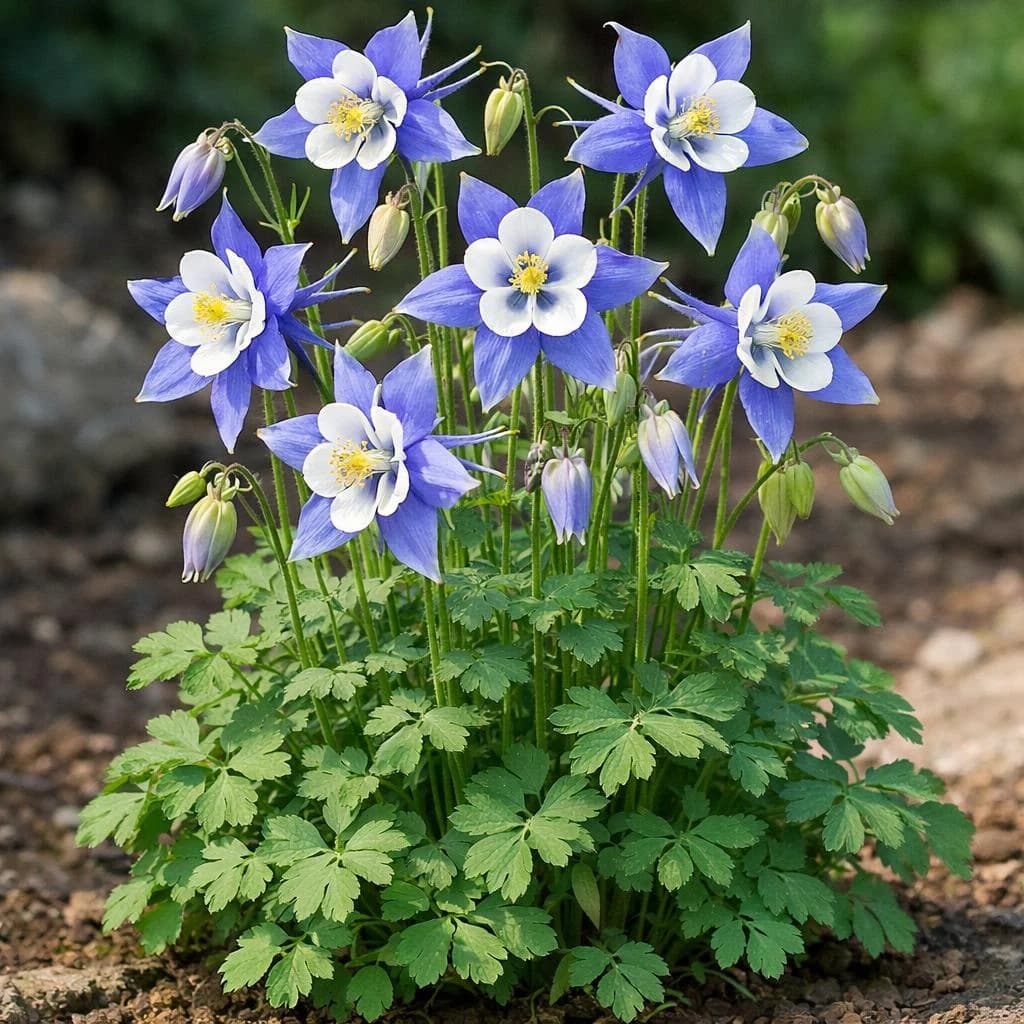
Mature Plant
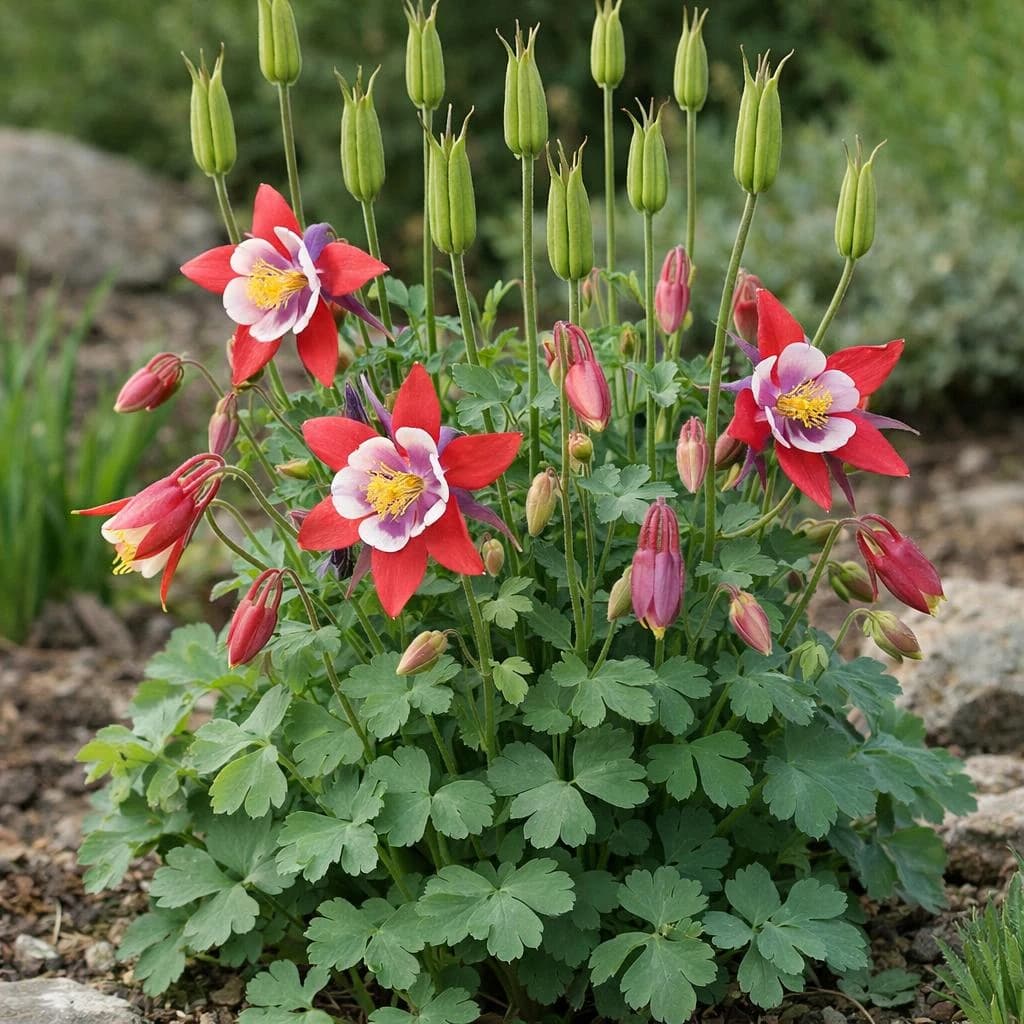
Seed Production
Step 2
Planting & Sprouting
Growing Tips
- 1Columbine is genuinely easy: sun or part shade, any reasonable soil that doesn't bake dry, and almost no care.
- 2Embrace its short-lived, self-seeding nature: let some seed drop each year and you'll never be without it.
- 3Leaf miner can scribble pale trails on the leaves; just cut affected foliage off and fresh growth follows.
- 4Cut back after bloom for the best-looking plants.
Seedling Phase
Step 3
Growth & Maturity
60 cm
Mature Height
40 cm
Mature Width
Pests to Watch For
Diseases to Watch For
Mature Plant
Step 4
Harvesting
When to Pick
Blooms late spring to early summer; leave some seed heads to self-sow
How to Harvest
- 1Deadhead for tidiness and to prolong flowering, but leave a few seed heads to ripen and scatter if you want self-sown replacements (a good idea, given the plants are short-lived).
- 2Cut back the whole plant after flowering to freshen the foliage; it often pushes a neat new flush of leaves.
- 3Lift and discard tired old plants, letting the seedlings take over.
Step 5
Saving Seeds
Seed Production
Still have a question?
Ask your coach about your columbine.
This page covers what we thought to write down. Your columbine will do something it never mentions, and that is the day a coach beats a guide. Ask Coach Lumen one question right now, free, no account.