Cornflower Growing Guide
Cornflower At a Glance
Difficulty
Easy
Category
Flower
Sun Exposure
Full Sun
Frost Tolerance
Frost Hardy
Cold Hardiness
Survives to -12°C
Plant Family
Asteraceae
Growing Season
Cool Season
Plant Lifecycle
Annual
How to Start It
★ Recommended for beginners
Sow thinly about 1cm deep where plants are to flower, in spring, and thin the seedlings. They dislike transplanting, so direct sowing is best.
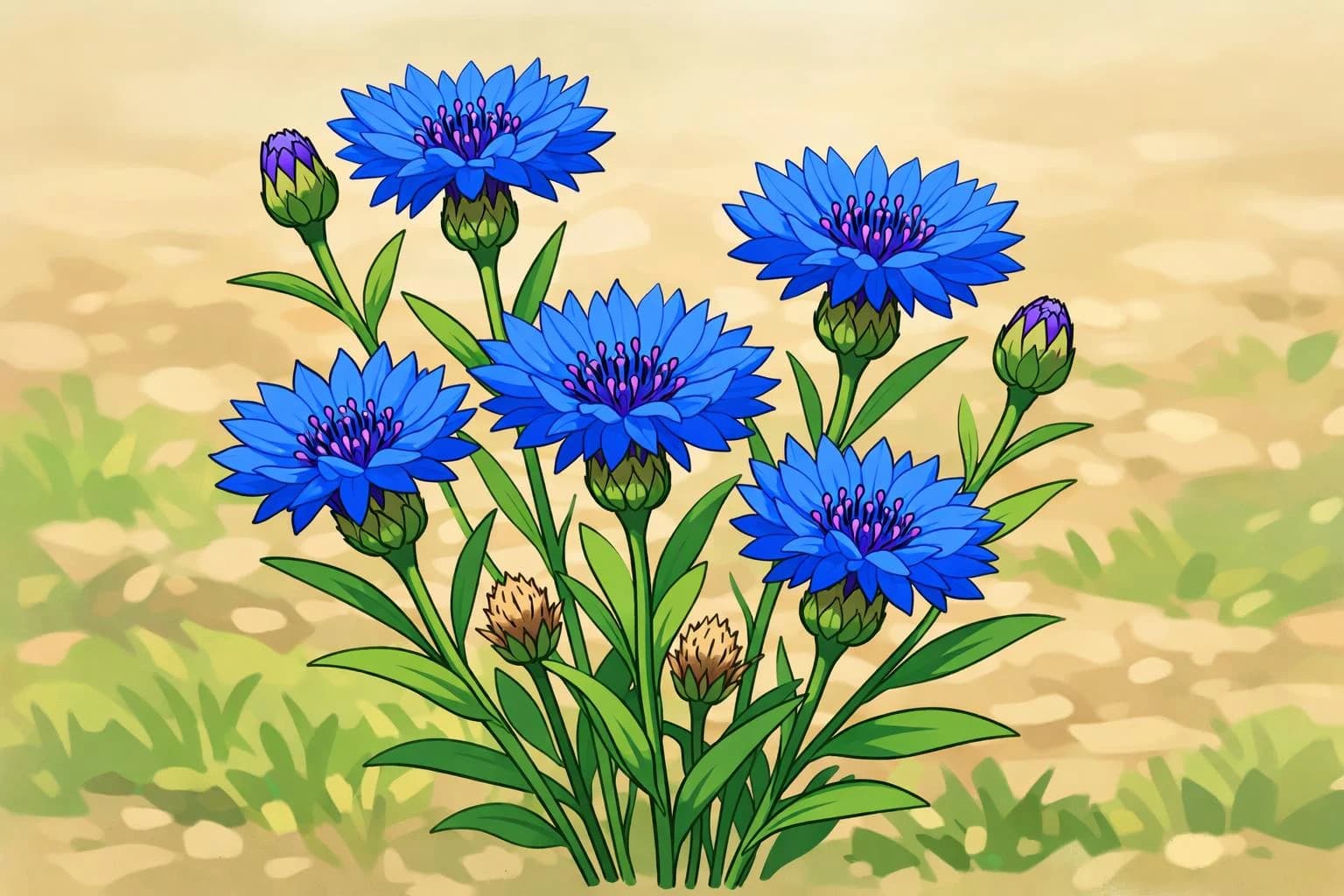
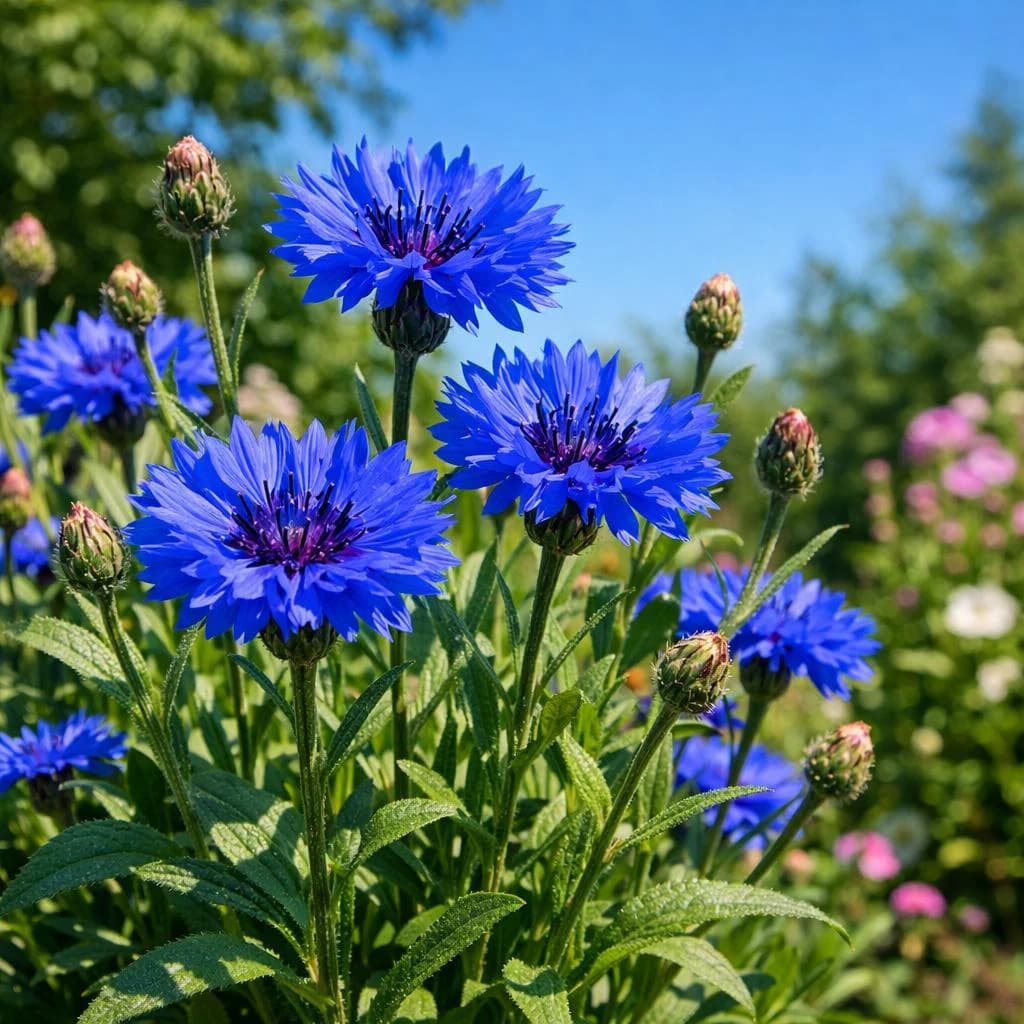
A cheerful, easy hardy annual (also called bachelor's button), famous for its true-blue flowers that bees and butterflies adore and that dry beautifully. Just scatter the seed where you want it. It germinates and grows fast, tolerates poor soil, and self-sows for future years. A hardy autumn or early-spring sowing gives sturdier, earlier, taller plants. A staple of the cutting garden and the wildflower patch.
When To Start
Cornflower likes cool weather. Sow it in early spring, as soon as the ground can be worked.
We do not have exact sowing dates for this one yet.
When should you plant Cornflower?
Your planting dates depend on your local climate. Sign up and add your location to unlock personalized dates.
Your Cornflower Planting Window
Start planting
May 15, 2026
Last chance
Sep 10, 2026
Your Cornflower Calendar
Set your location to turn these into exact dates and reminders.
Direct-sow cornflowers where they're to flower
2 weeks before your last frost· every year
Cut / deadhead cornflowers to keep them blooming
60 days after your last frost· every year· optional
The Journey Ahead
Cornflower's Lifecycle

Seedling
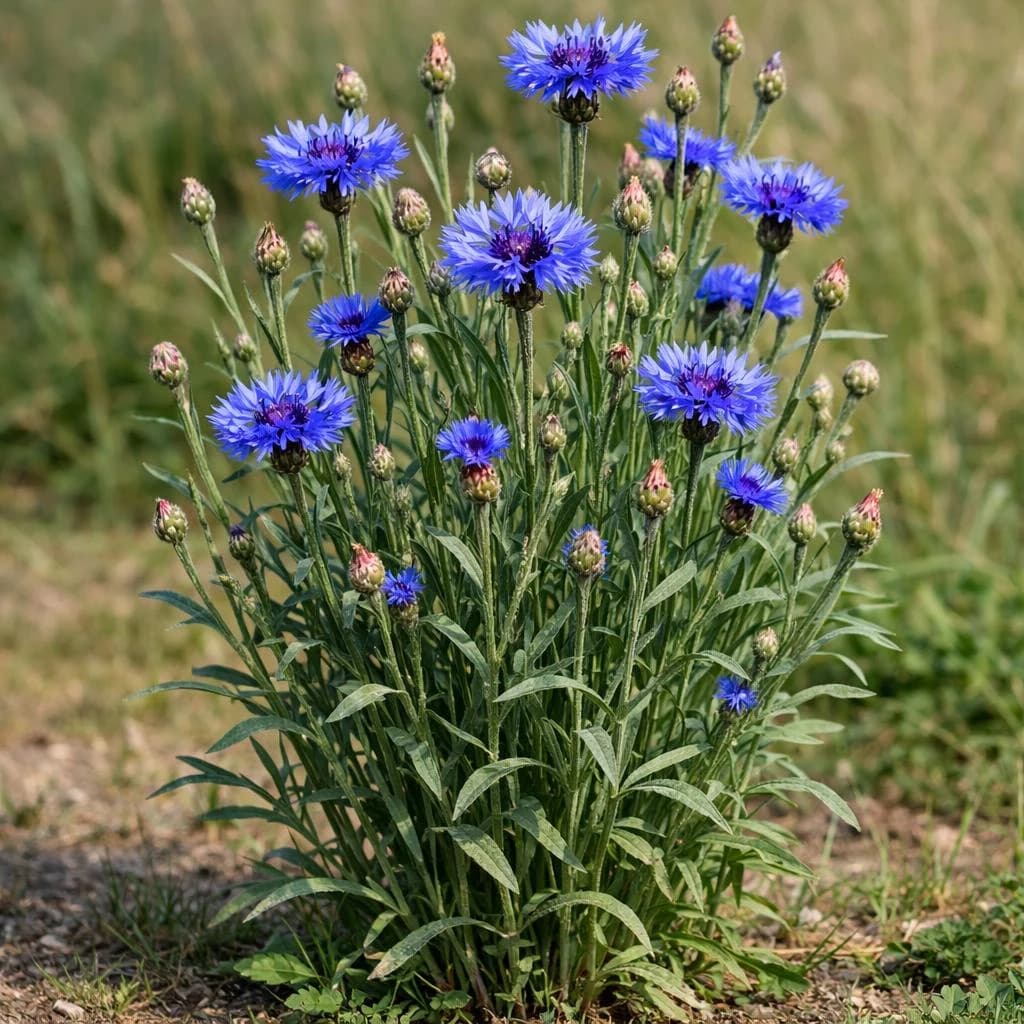
Mature Plant
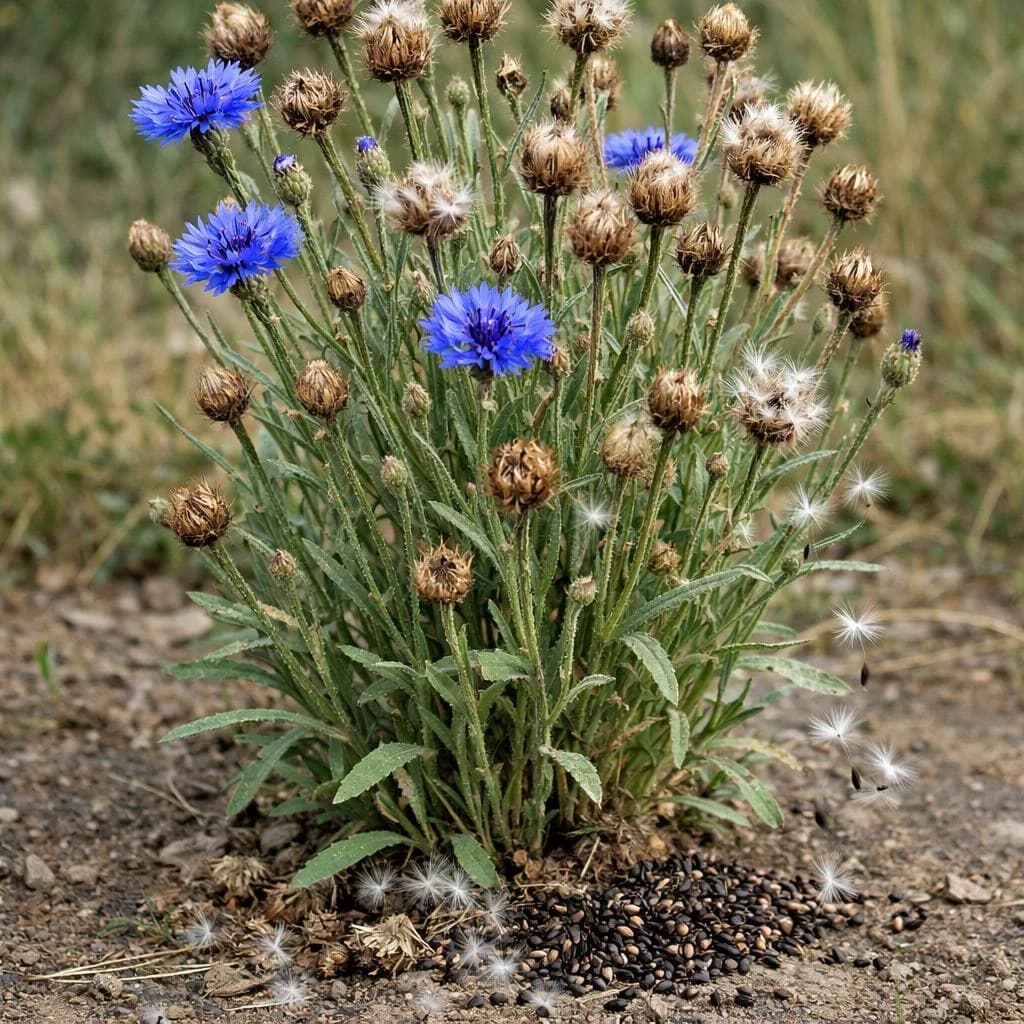
Seed Production
Step 2
Planting & Sprouting
Expect sprouts in 7–14 days
Growing Tips
- 1Full sun and free-draining soil are all it needs: don't over-feed (rich soil gives floppy, leafy plants).
- 2Direct sow rather than transplant, thin the seedlings for stronger stems, and give tall varieties some support to keep the cutting stems straight.
- 3Successional sowings and steady deadheading stretch the season; let a few go to seed and you'll have cornflowers for years.
Seedling Phase
Step 3
Growth & Maturity
80 cm
Mature Height
25 cm
Mature Width
Pests to Watch For
Diseases to Watch For
Mature Plant
Step 4
Harvesting
When to Pick
Blooms late spring to summer; deadhead or cut to keep it going
How to Harvest
- 1Cut or deadhead regularly, like most annuals, cornflowers bloom hardest when you don't let them set seed, so keep picking for the vase or snipping spent heads.
- 2Tall types may need a little support (twiggy sticks or netting).
- 3Leave a few late heads to ripen if you want self-sown plants next year.
- 4Pull spent plants once they tire in high summer.
Step 5
Saving Seeds
How to Save Seeds
Let flower heads dry on the plant, then shake or rub out the small seeds. Easy to save, comes true, and self-sows readily.
Seed Production
Still have a question?
Ask your coach about your cornflower.
This page covers what we thought to write down. Your cornflower will do something it never mentions, and that is the day a coach beats a guide. Ask Coach Lumen one question right now, free, no account.