Hydrangea Growing Guide
Hydrangea At a Glance
Difficulty
Easy
Category
Flower
Sun Exposure
Partial Shade
Frost Tolerance
Frost Hardy
Cold Hardiness
Survives to -29°C
Plant Family
Hydrangeaceae
Growing Season
Warm Season
Plant Lifecycle
Perennial
How to Start It
★ Recommended for beginners
Take non-flowering softwood cuttings in early summer; they root easily in a few weeks: the simplest way to make more.
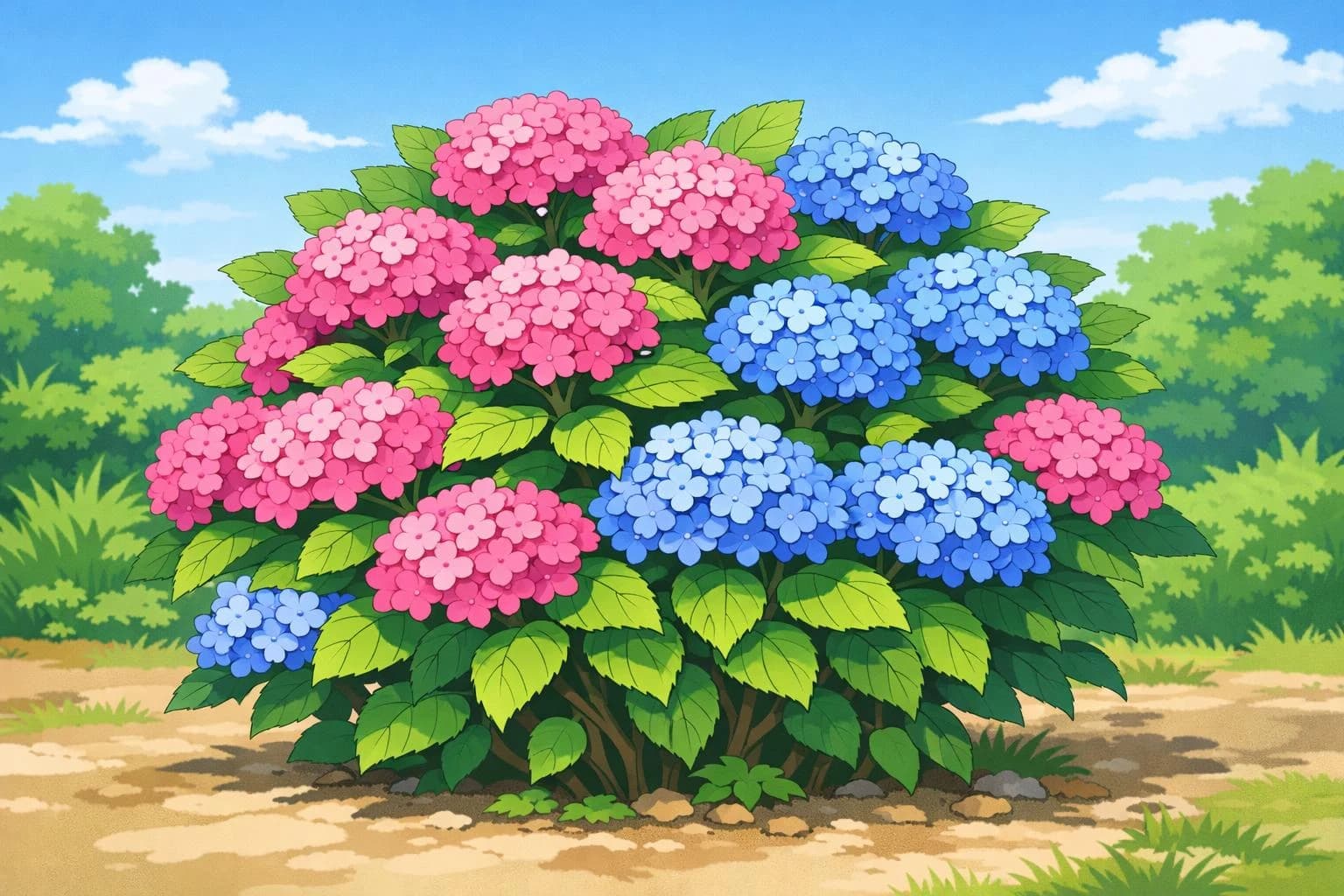
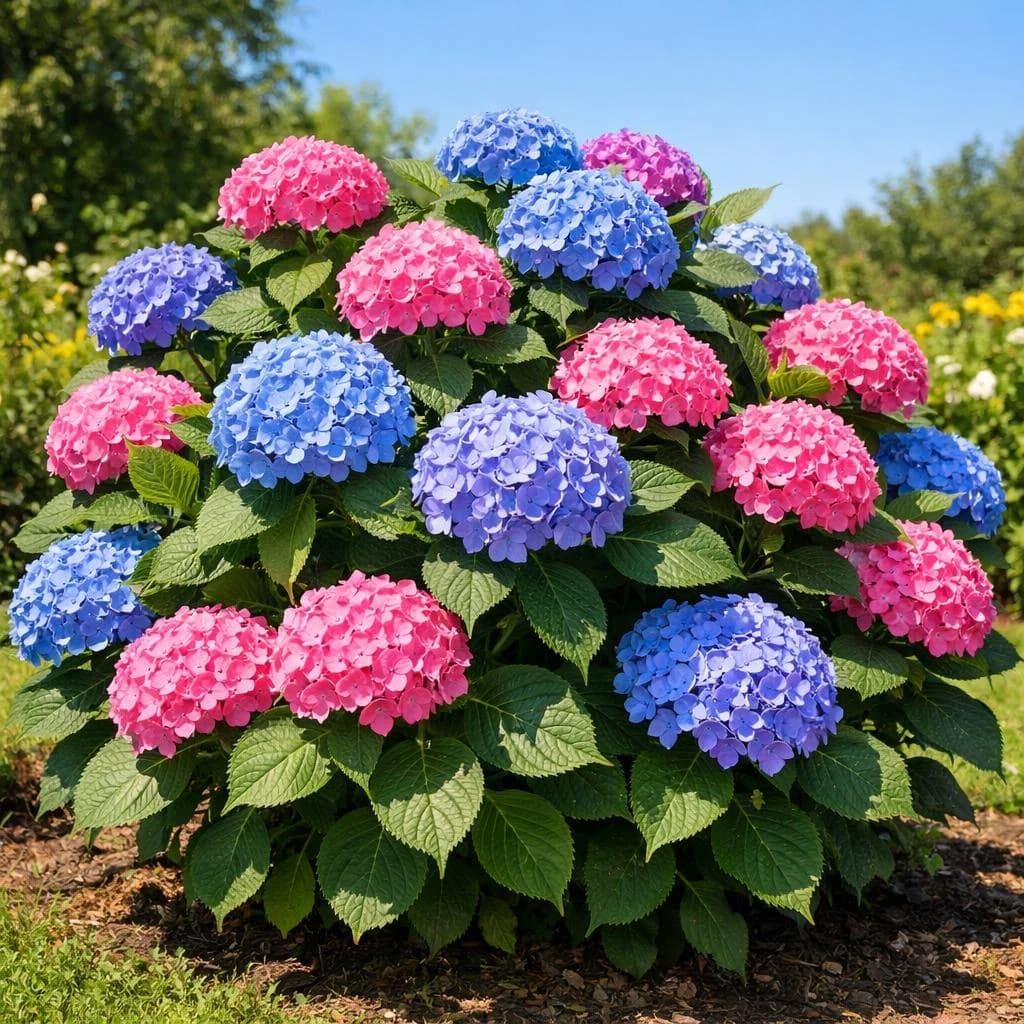
A showy summer shrub with huge flower heads. Two famous quirks: with mophead/lacecap types, SOIL pH changes the colour: acid soil gives blue, alkaline gives pink (white stays white). And PRUNING depends on the type: those that flower on old wood (mophead, lacecap, oakleaf) are only lightly tidied after flowering, while those on new wood (paniculata, 'Annabelle' smooth types) can be cut back hard in late winter. Prune the wrong one hard and you cut off all the flowers.
When To Start
Hydrangea needs warmth. Wait until your last frost has passed and the soil has warmed before sowing.
We do not have exact sowing dates for this one yet.
When should you plant Hydrangea?
Your planting dates depend on your local climate. Sign up and add your location to unlock personalized dates.
Your Hydrangea Planting Window
Start planting
May 15, 2026
Last chance
Sep 10, 2026
Your Hydrangea Calendar
Set your location to turn these into exact dates and reminders.
Plant hydrangea (morning sun, moist soil)
Around your last frost· every year
Prune hydrangea TO ITS TYPE (hard only for new-wood types)
30 days before your last frost· every year· optional
Mulch hydrangea to lock in summer moisture
2 weeks after your last frost· every year· optional
The Journey Ahead
Hydrangea's Lifecycle
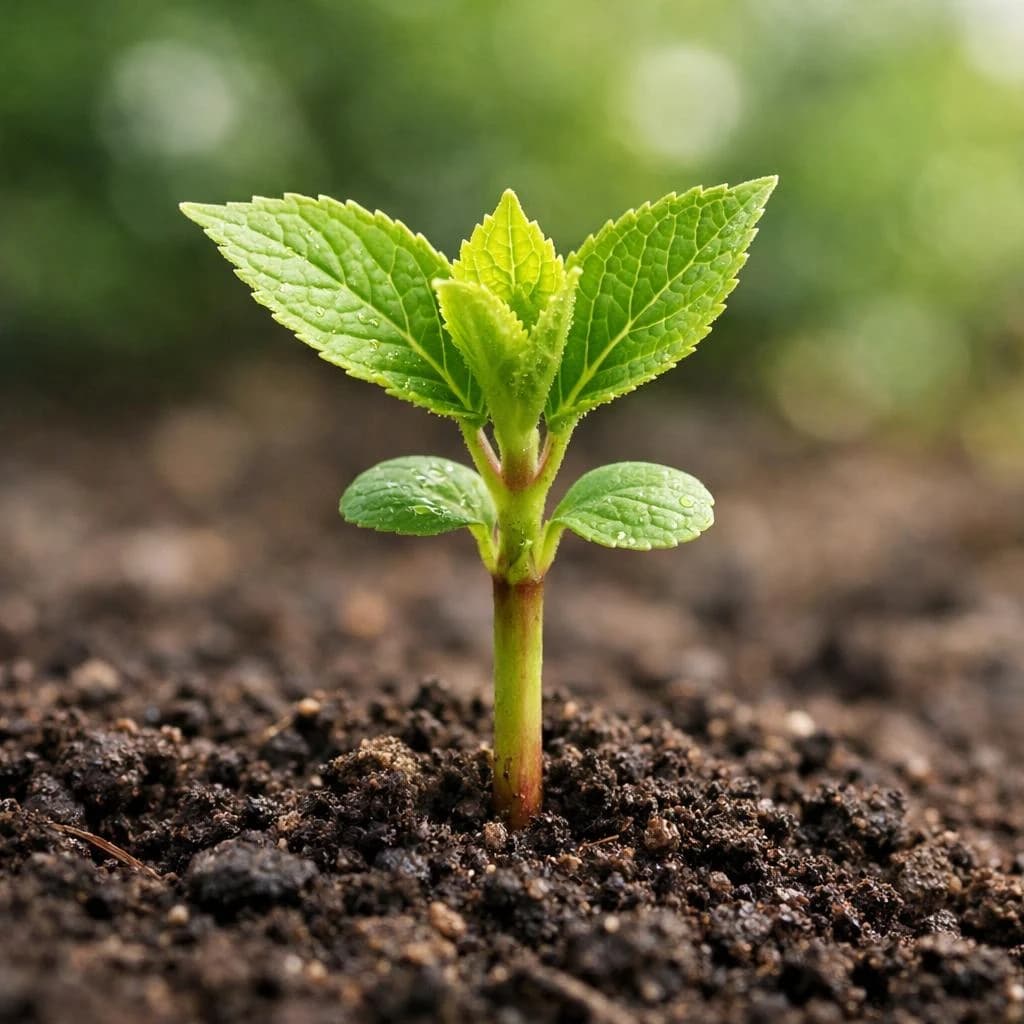
Seedling
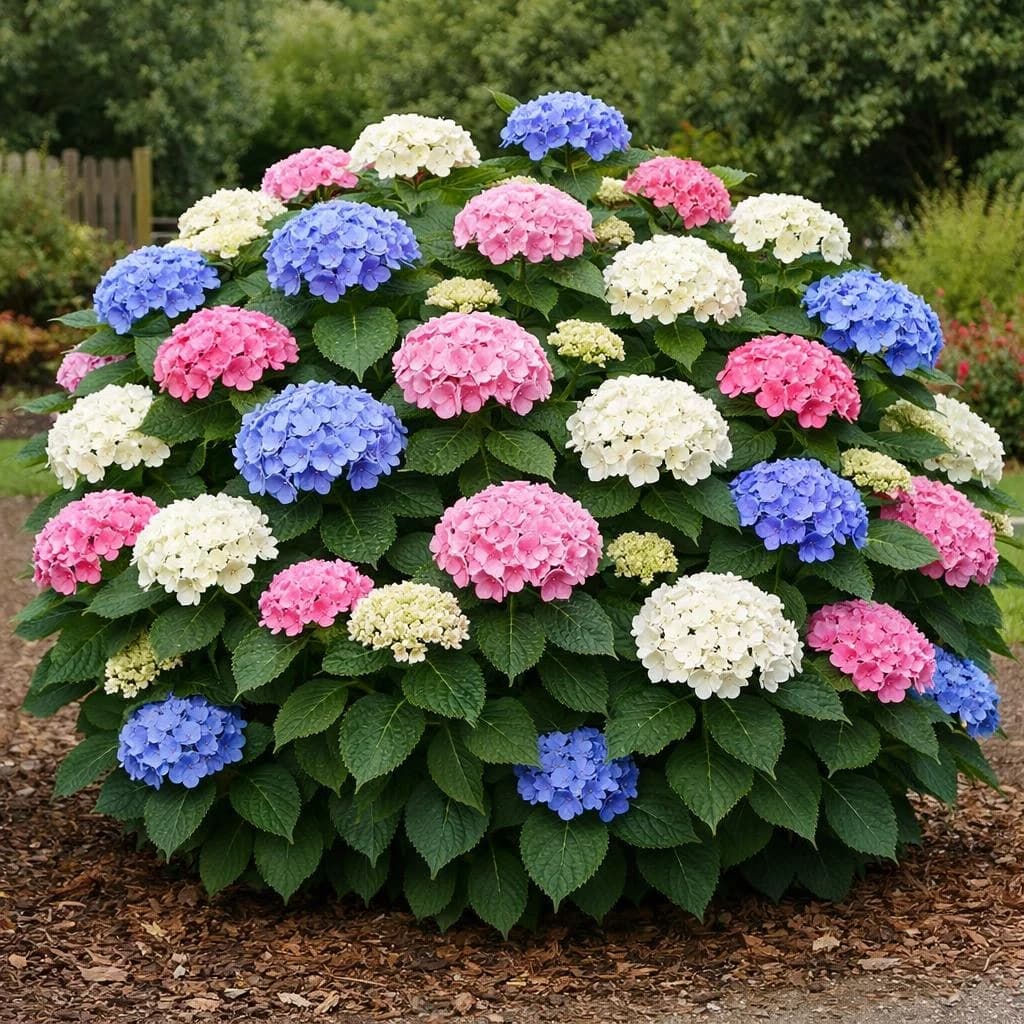
Mature Plant
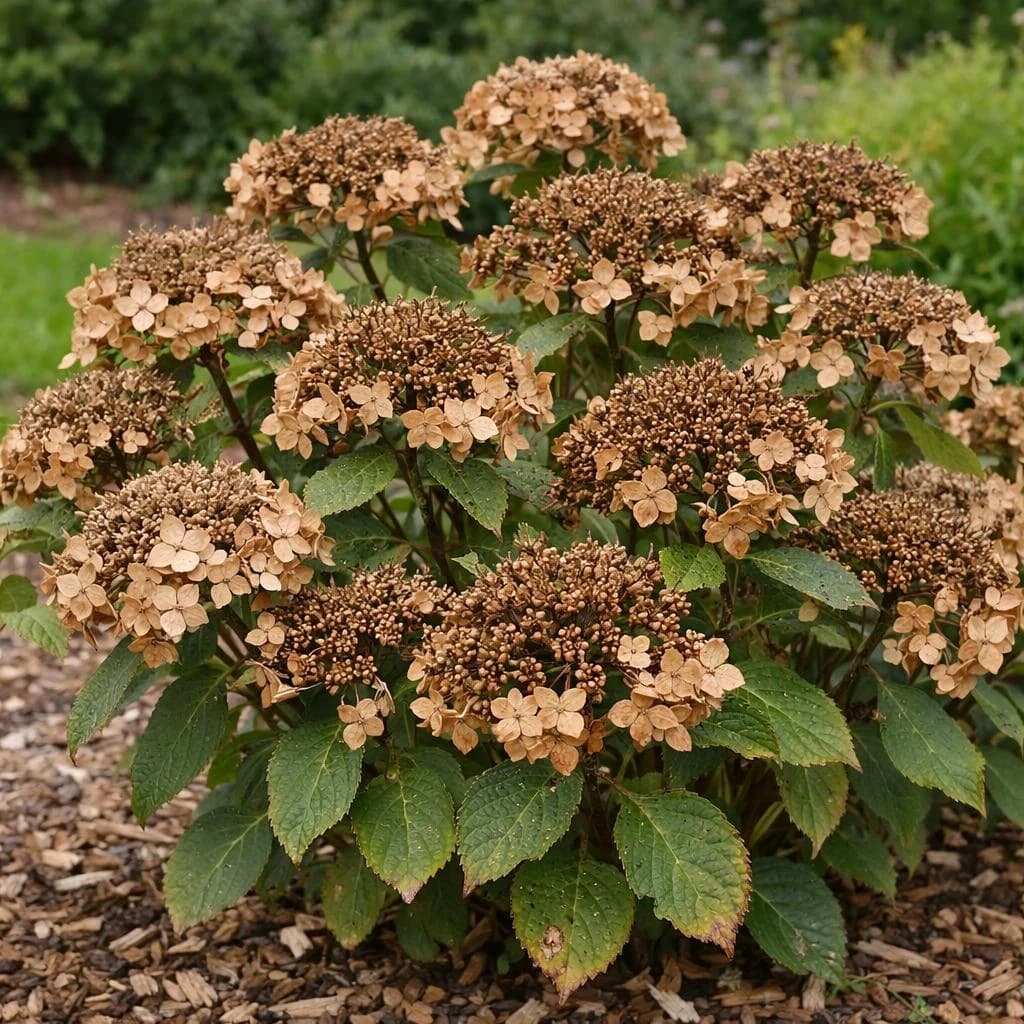
Seed Production
Step 1
Prepare Your Space
120 cm
Plant Spacing
30 cm
Row Spacing
Vertical Growing
No.
Succession Planting
No.
Good Companions
Bad Companions
Step 2
Planting & Sprouting
Growing Tips
- 1Most hydrangeas like morning sun with afternoon shade and consistently moist (not soggy) soil: the name means 'water vessel' for good reason; they wilt fast when dry.
- 2To shift mophead colour, lower pH for blue (add sulphur/composted pine) or raise it for pink (add lime): white types won't change.
- 3Above all, know your pruning group; that one fact prevents the most common 'why won't it flower?' problem.
Seedling Phase
Step 3
Growth & Maturity
150 cm
Mature Height
150 cm
Mature Width
Pests to Watch For
Diseases to Watch For
Mature Plant
Step 4
Harvesting
When to Pick
Blooms through summer; flowers dry beautifully and last for weeks
How to Harvest
- 1Cut blooms for fresh or dried arrangements in late summer when the petals feel papery (cut too early and they wilt; let them mature on the plant first).
- 2For pruning, identify your type: old-wood bloomers get a light deadhead/tidy just after flowering; new-wood bloomers (cone-shaped paniculata, round 'Annabelle') are cut back hard in late winter for big, strong flower heads.
Step 5
Saving Seeds
Seed Production
Still have a question?
Ask your coach about your hydrangea.
This page covers what we thought to write down. Your hydrangea will do something it never mentions, and that is the day a coach beats a guide. Ask Coach Lumen one question right now, free, no account.