Petunia Growing Guide
Petunia At a Glance
Difficulty
Easy
Category
Flower
Sun Exposure
Full Sun
Frost Tolerance
Frost Tender
Cold Hardiness
Survives to 2°C
Plant Family
Solanaceae
Growing Season
Warm Season
Plant Lifecycle
Annual
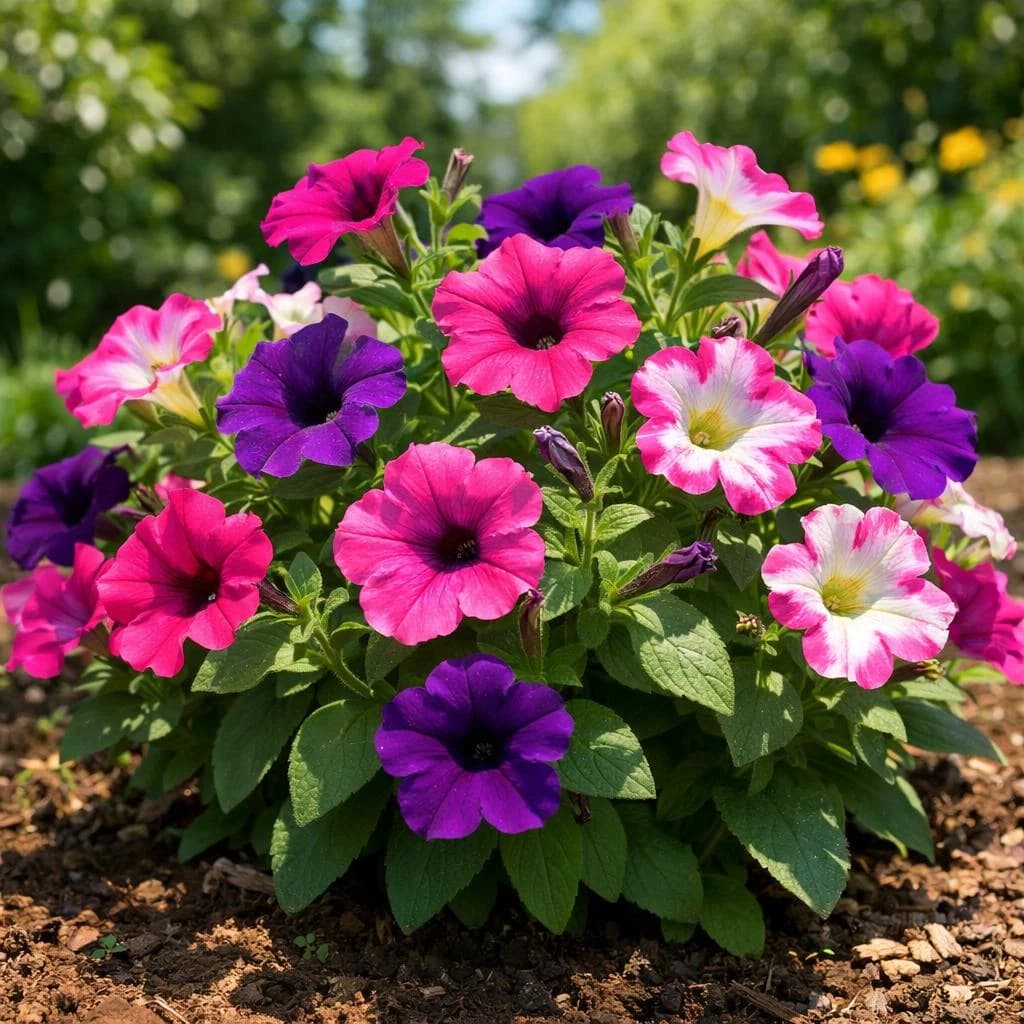
How to Start It
★ Recommended for beginners
Far and away the easiest route. Pick up young plants in spring for instant, reliable colour.
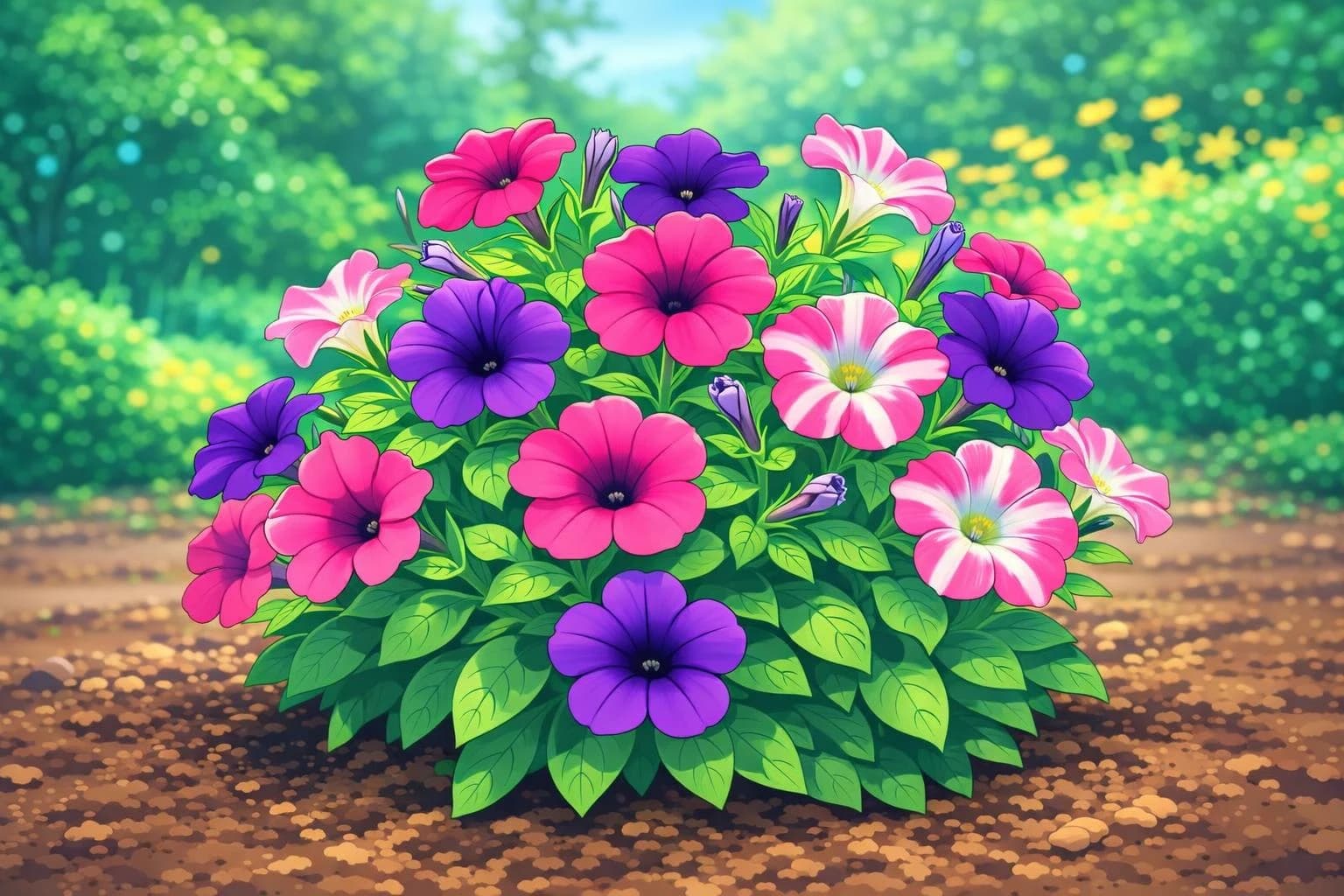
A workhorse of summer colour for pots, baskets and beds, flowering non-stop from late spring to frost. The seed is extremely fine and needs light, warmth and an early indoor start, so most gardeners simply buy young plants. The two keys to a great display are feeding (they're hungry, especially in containers) and a mid-season trim if they get leggy. Trailing types spill from baskets; mounding types fill beds.
When To Start
Petunia needs warmth. Wait until your last frost has passed and the soil has warmed before sowing.
We do not have exact sowing dates for this one yet.
When should you plant Petunia?
Your planting dates depend on your local climate. Sign up and add your location to unlock personalized dates.
Your Petunia Planting Window
Start planting
May 15, 2026
Last chance
Sep 10, 2026
Your Petunia Calendar
Set your location to turn these into exact dates and reminders.
Start petunia seed indoors (surface-sow, needs light)
10 weeks before your last frost· every year· optional
Plant petunias out / in pots after frost (full sun)
1 week after your last frost· every year
Trim leggy petunias back ~half + feed for a fresh flush
60 days after your last frost· every year· optional
The Journey Ahead
Petunia's Lifecycle
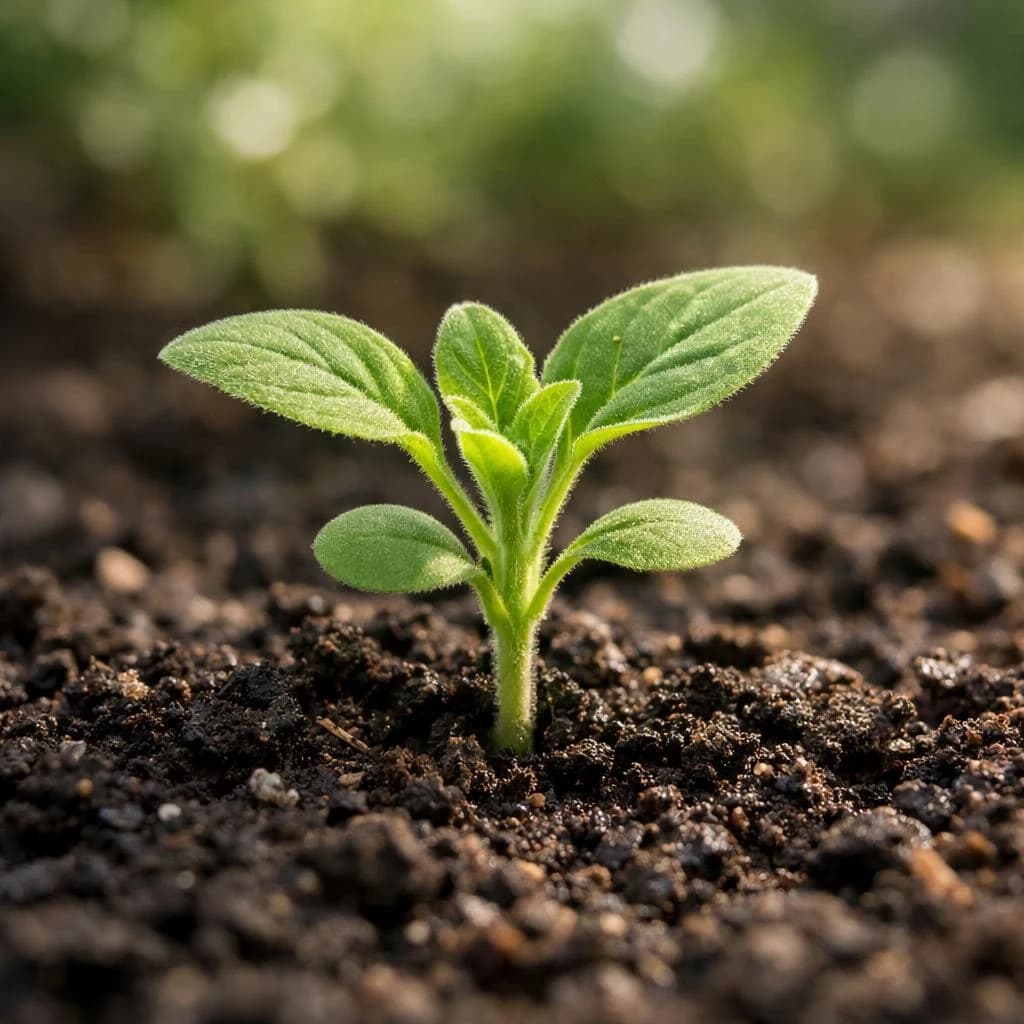
Seedling
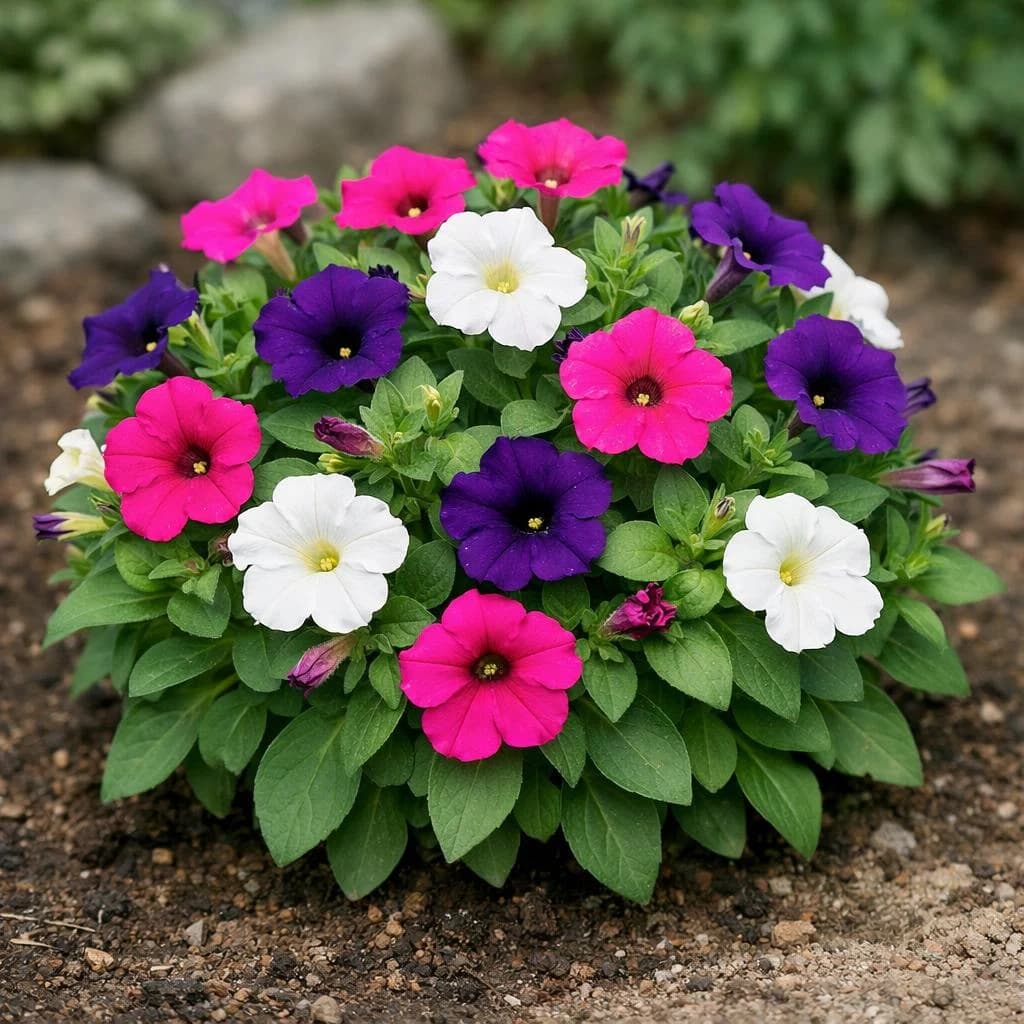
Mature Plant
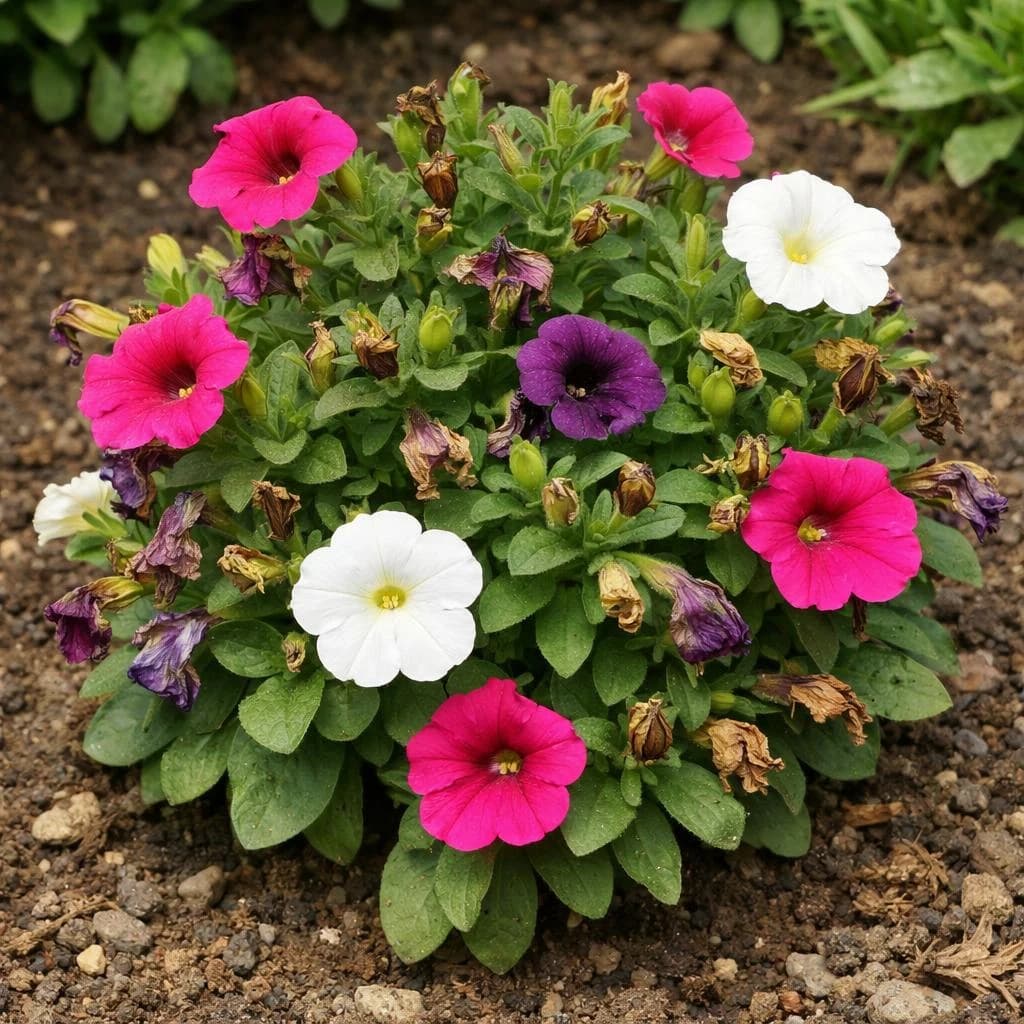
Seed Production
Step 1
Prepare Your Space
25 cm
Plant Spacing
30 cm
Row Spacing
Vertical Growing
No.
Succession Planting
No.
Good Companions
Bad Companions
Step 2
Planting & Sprouting
Expect sprouts in 7–14 days
Growing Tips
- 1Full sun (6+ hours), rich soil or compost, steady moisture, and regular feeding give the best petunias, in pots and baskets, a weekly feed makes a dramatic difference.
- 2Don't be afraid to cut leggy plants back hard midsummer; the brief pause pays off with a flush of new growth and flowers.
- 3Self-cleaning modern types (like the spreading 'wave' kinds) barely need deadheading.
Seedling Phase
Step 3
Growth & Maturity
30 cm
Mature Height
40 cm
Mature Width
Pests to Watch For
Diseases to Watch For
Mature Plant
Step 4
Harvesting
When to Pick
Blooms late spring to frost; feed and trim for a non-stop display
How to Harvest
- 1Deadhead spent blooms and pinch out the long, bare 'leggy' stems by about half mid-season: the plant rebounds bushier and fuller (do this whenever it starts looking straggly).
- 2Feed regularly, especially in containers, where nutrients wash out fast.
- 3Keep the soil evenly moist but not soggy, and avoid wetting the flowers, which can spot and rot in damp weather.
Step 5
Saving Seeds
Seed Production
Still have a question?
Ask your coach about your petunia.
This page covers what we thought to write down. Your petunia will do something it never mentions, and that is the day a coach beats a guide. Ask Coach Lumen one question right now, free, no account.