Salvia Growing Guide
Salvia At a Glance
Difficulty
Easy
Category
Flower
Sun Exposure
Full Sun
Frost Tolerance
Frost Hardy
Cold Hardiness
Survives to -23°C
Plant Family
Lamiaceae
Growing Season
Warm Season
Plant Lifecycle
Perennial
How to Start It
★ Recommended for beginners
Take soft tip cuttings in late spring/summer; they root in a couple of weeks: the easiest way to bulk up or save tender types over winter.
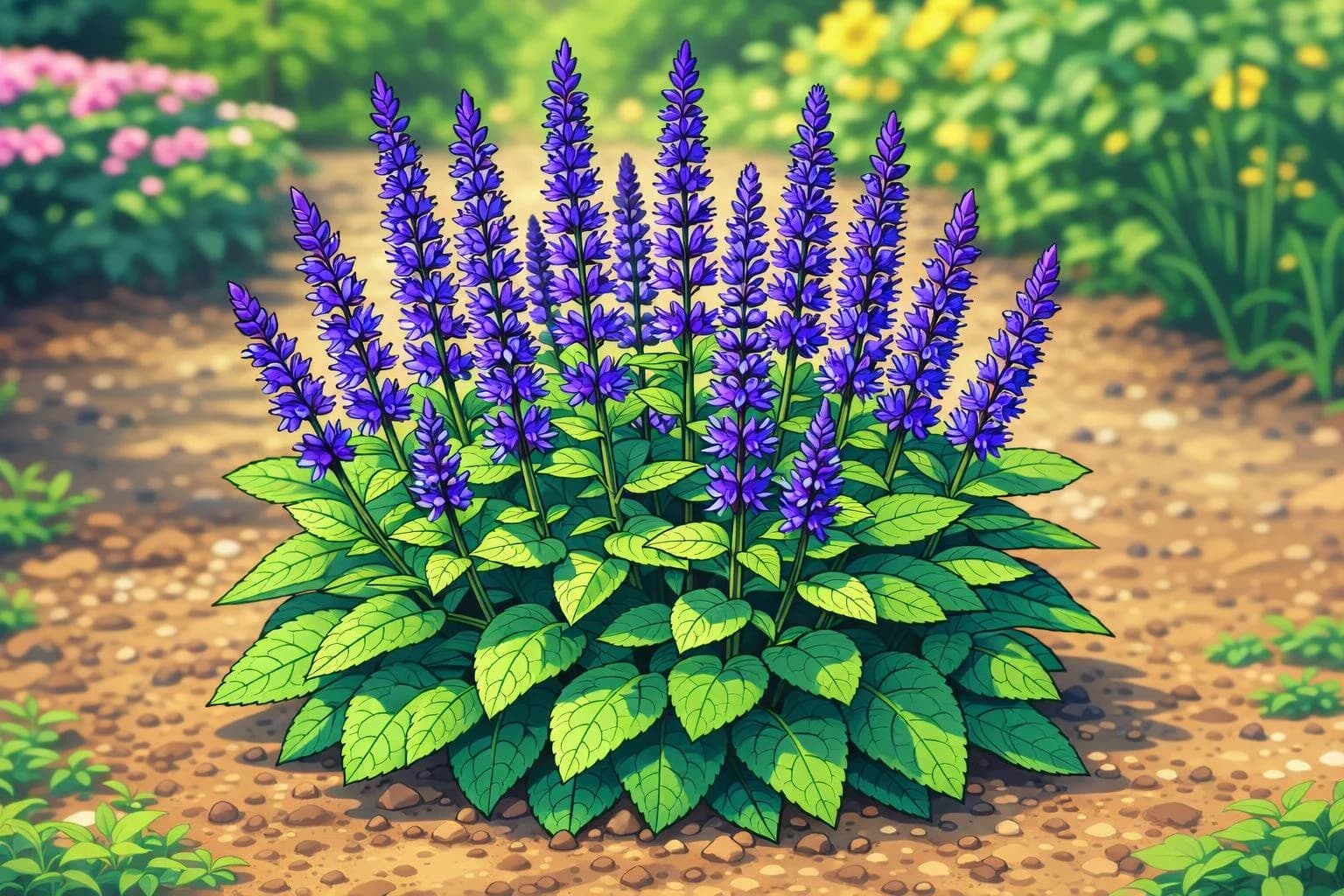
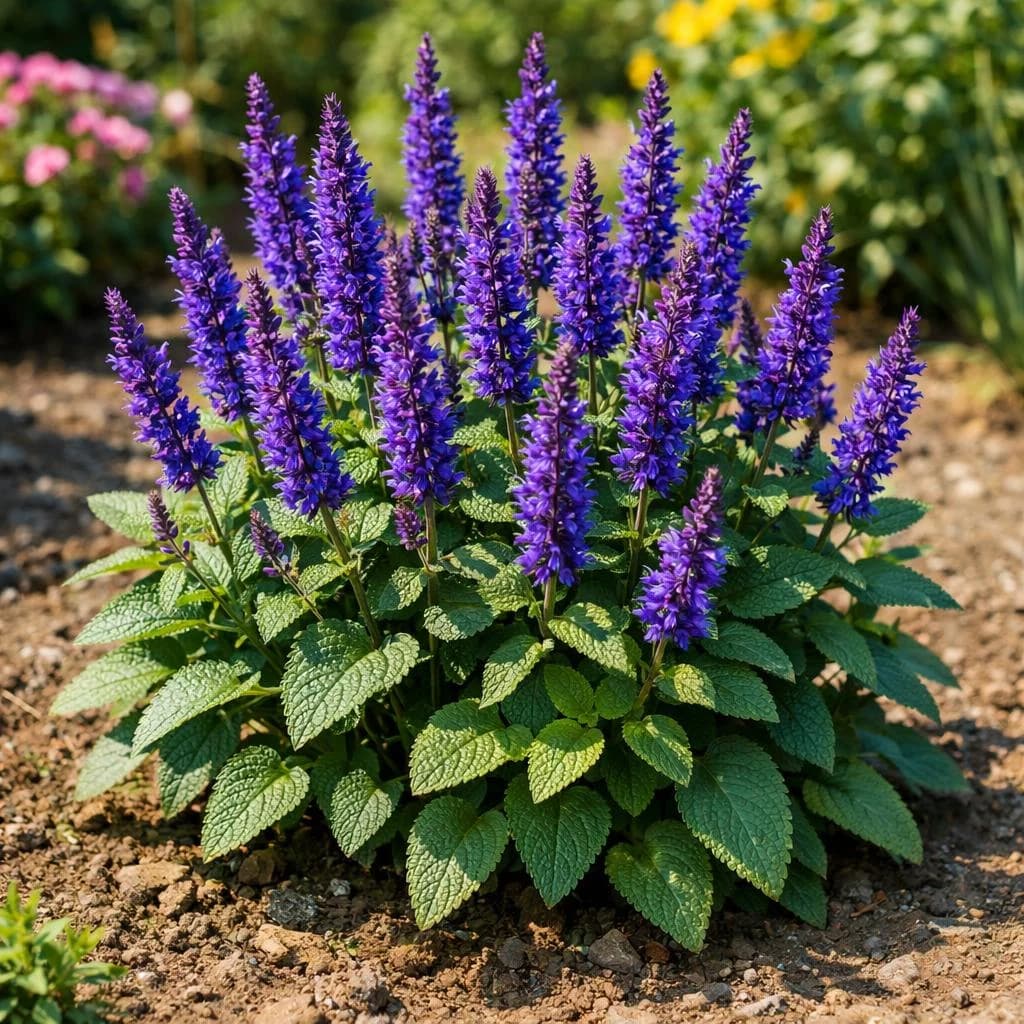
Ornamental salvias (the flowering 'sages', and a relative of the culinary herb) are pollinator powerhouses: spires of nectar-rich flowers that bees and hummingbirds work all summer, on tough, drought-tolerant plants. There's a salvia for everyone: hardy perennial types that return each year, and tender ones grown as annuals or overwintered. The key to a long show is cutting back after the first flush. They rebloom generously. (Distinct from culinary sage, grown for its leaves.)
When To Start
Salvia needs warmth. Wait until your last frost has passed and the soil has warmed before sowing.
We do not have exact sowing dates for this one yet.
When should you plant Salvia?
Your planting dates depend on your local climate. Sign up and add your location to unlock personalized dates.
Your Salvia Planting Window
Start planting
May 15, 2026
Last chance
Sep 10, 2026
Your Salvia Calendar
Set your location to turn these into exact dates and reminders.
Plant salvia (full sun, sharp drainage)
1 week after your last frost· every year
Shear salvia back ~⅓ after first flush for a rebloom
75 days after your last frost· every year· optional
Take salvia cuttings to overwinter tender types
3 weeks before your first frost· every year· optional
The Journey Ahead
Salvia's Lifecycle
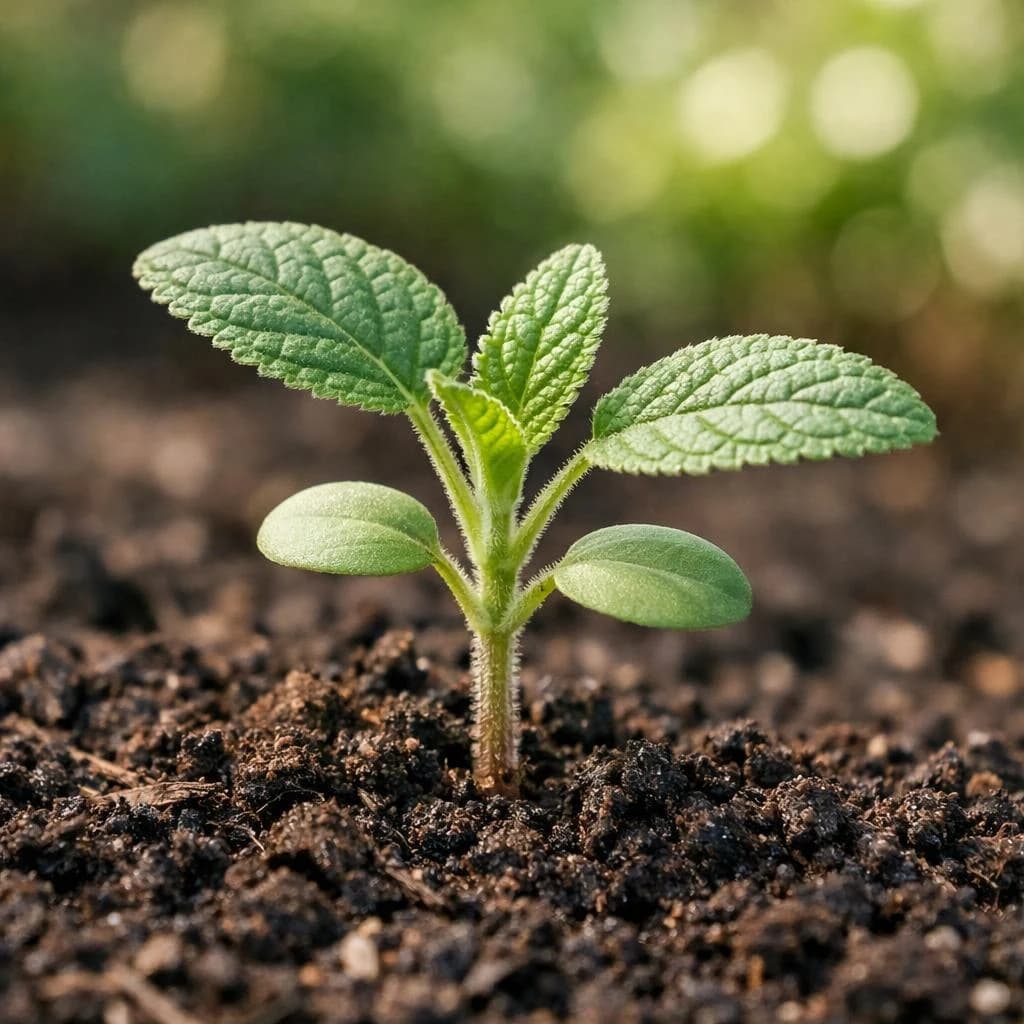
Seedling
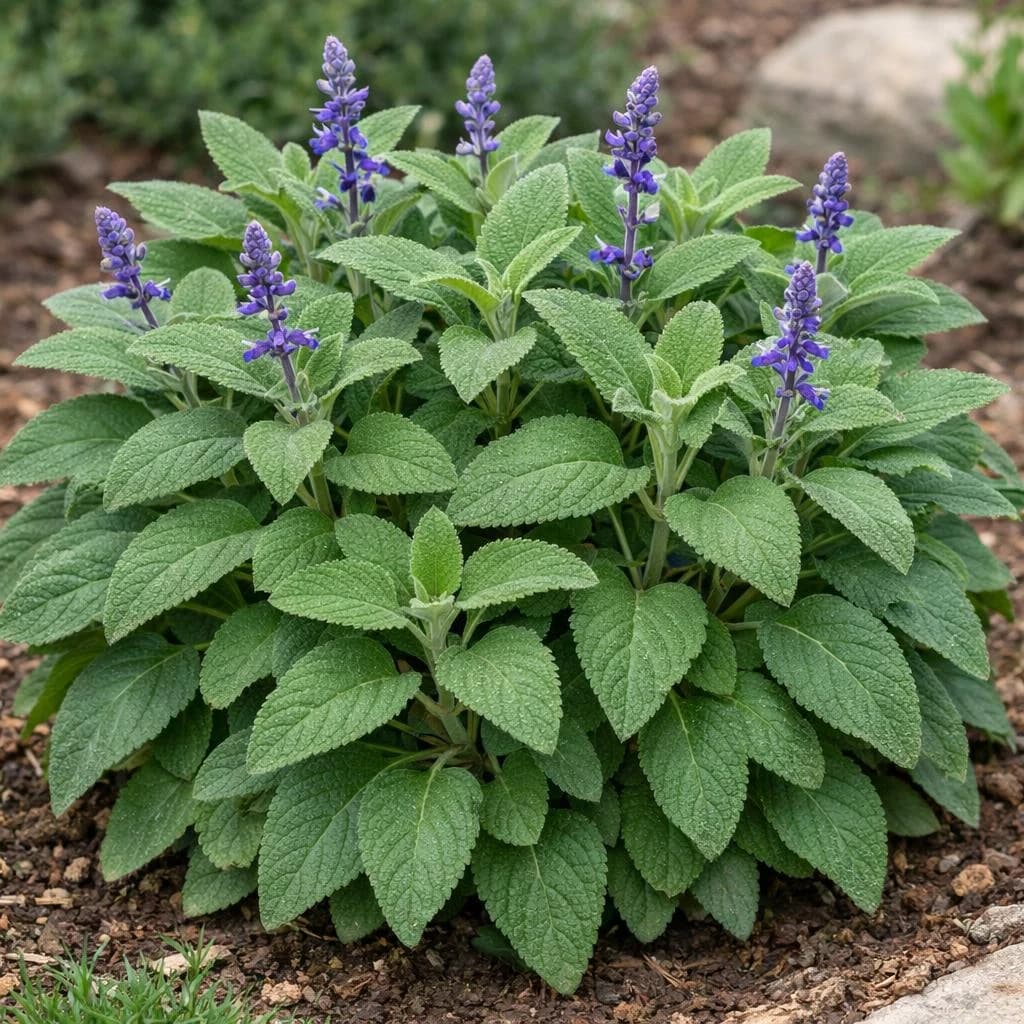
Mature Plant
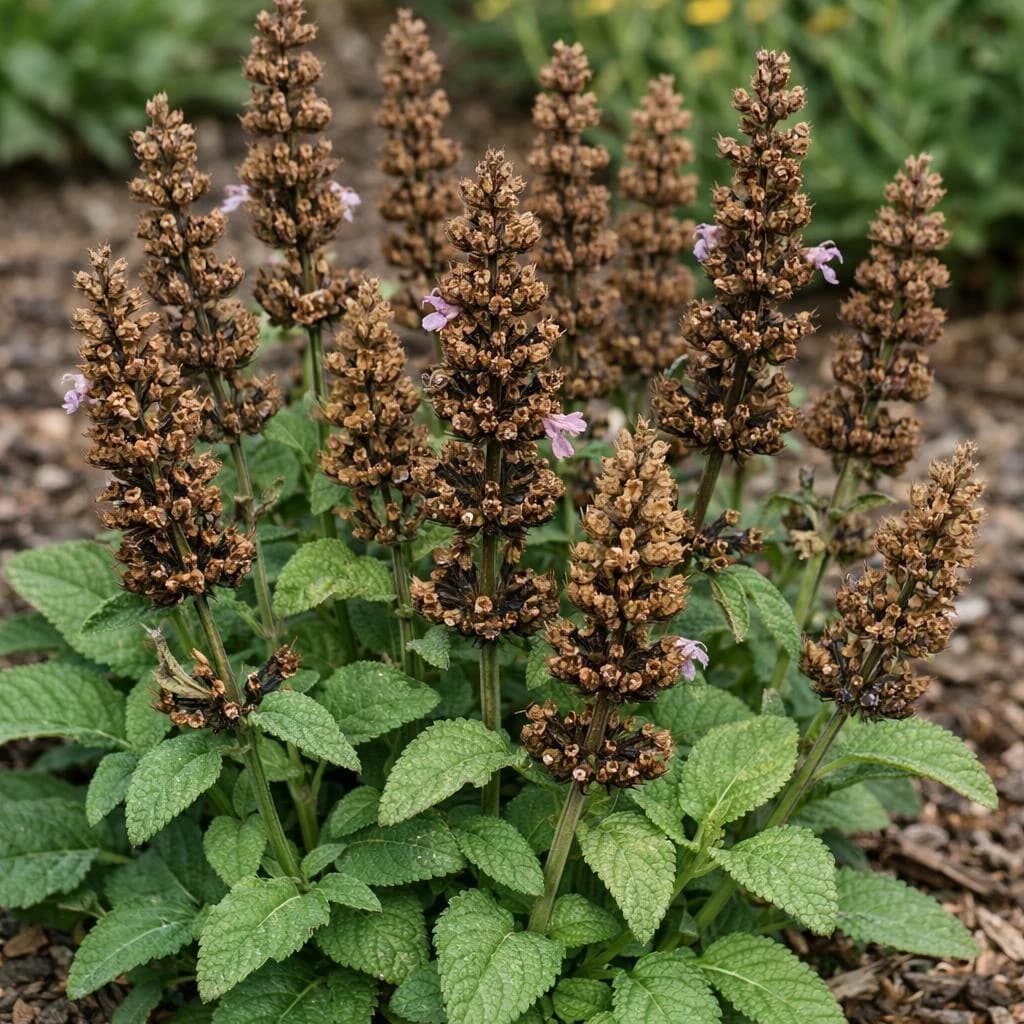
Seed Production
Step 2
Planting & Sprouting
Growing Tips
- 1Full sun and free-draining soil are all most salvias need.
- 2They actively prefer lean conditions and shrug off drought, so don't pamper or overwater them.
- 3The one trick for months of colour is the mid-season cut-back.
- 4Hardy perennial types return yearly; tender ones (like the vivid red bedding salvias) are grown fresh each year or overwintered as cuttings indoors.
Seedling Phase
Step 3
Growth & Maturity
60 cm
Mature Height
50 cm
Mature Width
Pests to Watch For
Diseases to Watch For
Mature Plant
Step 4
Harvesting
When to Pick
Blooms early summer to frost, especially if cut back after the first flush
How to Harvest
- 1After the first big flush of flowers fades, shear the plant back by about a third.
- 2It rebounds with a fresh wave of bloom, often repeating into autumn.
- 3Deadhead spikes through the season.
- 4Leave the final autumn growth on hardy types over winter for a little frost protection, then cut back in spring.
- 5Take cuttings of tender varieties before frost to carry them over.
Step 5
Saving Seeds
Seed Production
Still have a question?
Ask your coach about your salvia.
This page covers what we thought to write down. Your salvia will do something it never mentions, and that is the day a coach beats a guide. Ask Coach Lumen one question right now, free, no account.