Sweet Pea Growing Guide
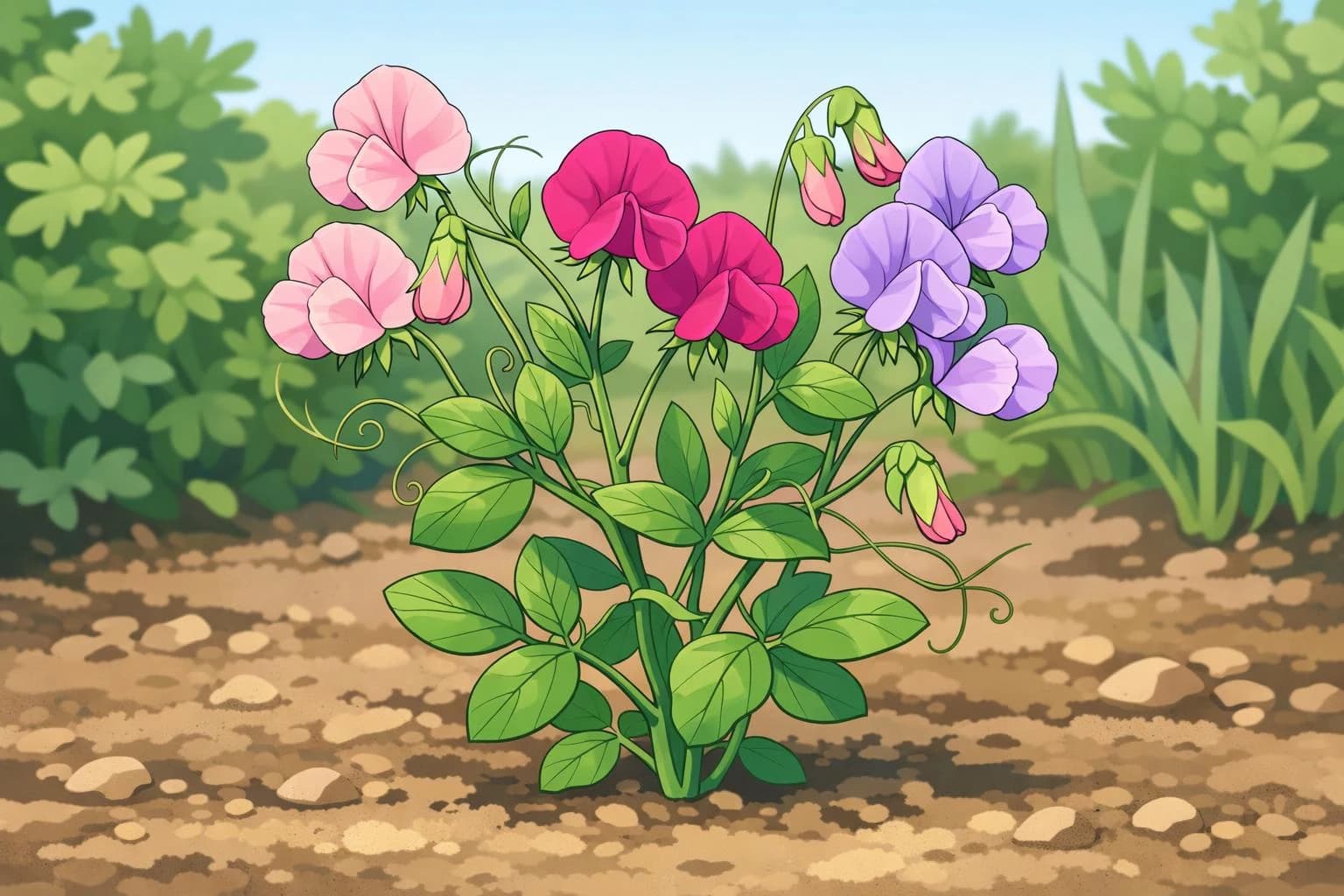
Sweet Pea At a Glance
Difficulty
Easy
Category
Flower
Sun Exposure
Full Sun
Frost Tolerance
Frost Hardy
Cold Hardiness
Survives to -7°C
Plant Family
Fabaceae
Growing Season
Cool Season
Plant Lifecycle
Annual
How to Start It
★ Recommended for beginners
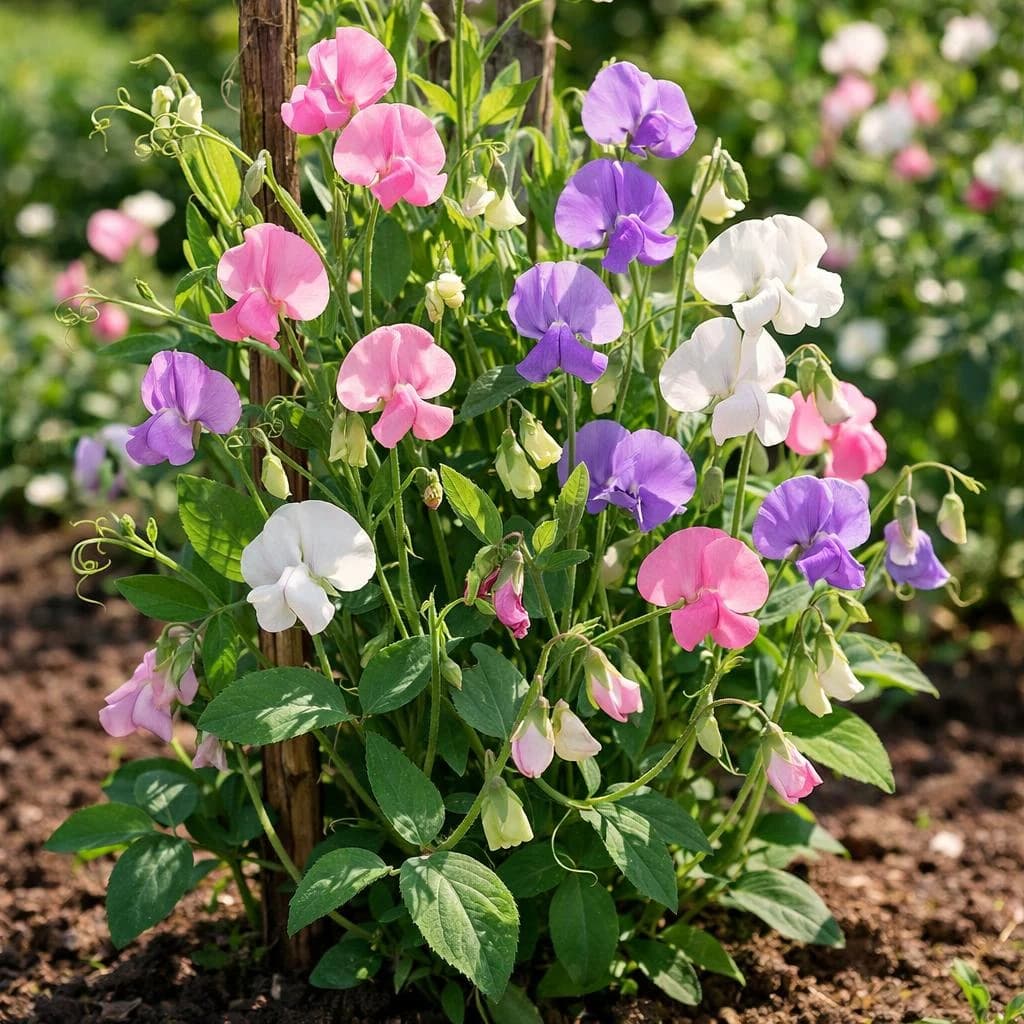
Sow in deep pots or modules (they make long roots), many soak or chit the seed first to speed germination. Pinch the seedlings at 10cm for bushier plants, then plant out against a support after frost danger eases.
The most fragrant of all annual climbers, and a cut-flower joy, with one golden rule: the more you pick, the more it flowers. Leave blooms to set seed pods and the whole plant stops; keep cutting and it pours out scented flowers for months. It's a cool-season hardy annual, sown in autumn (mild climates) or late winter/early spring, that climbs by tendrils and needs a support. Important: sweet peas are ornamental: the seeds and pods are mildly toxic and NOT edible (unlike garden peas).
When To Start
Sweet Pea likes cool weather. Sow it in early spring, as soon as the ground can be worked.
We do not have exact sowing dates for this one yet.
When should you plant Sweet Pea?
Your planting dates depend on your local climate. Sign up and add your location to unlock personalized dates.
Your Sweet Pea Planting Window
Start planting
May 15, 2026
Last chance
Sep 10, 2026
Your Sweet Pea Calendar
Set your location to turn these into exact dates and reminders.
Sow sweet peas in deep pots (autumn or late winter)
8 weeks before your last frost· every year
Plant sweet peas out against a support; pinch tips
Around your last frost· every year
Cut sweet peas every 2–3 days (and remove seed pods!)
60 days after your last frost· every year· optional
The Journey Ahead
Sweet Pea's Lifecycle
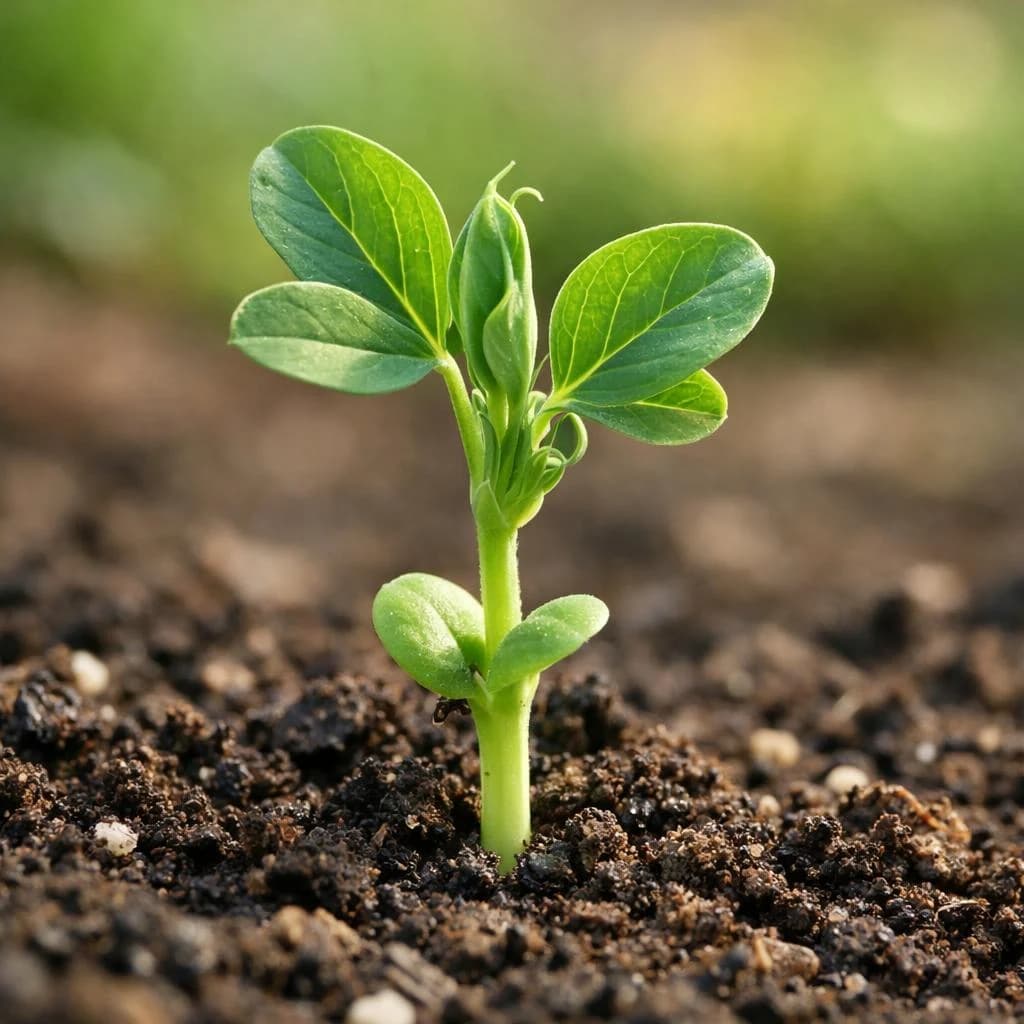
Seedling
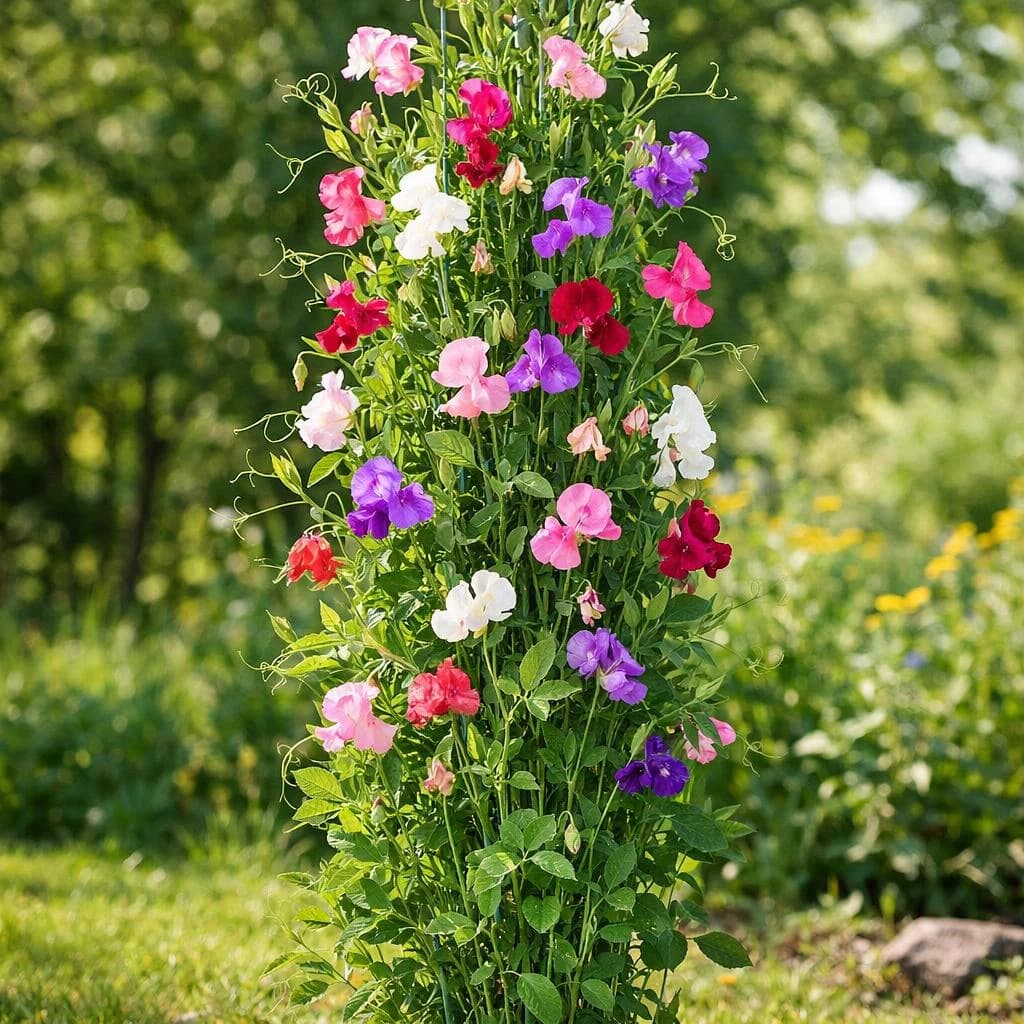
Mature Plant
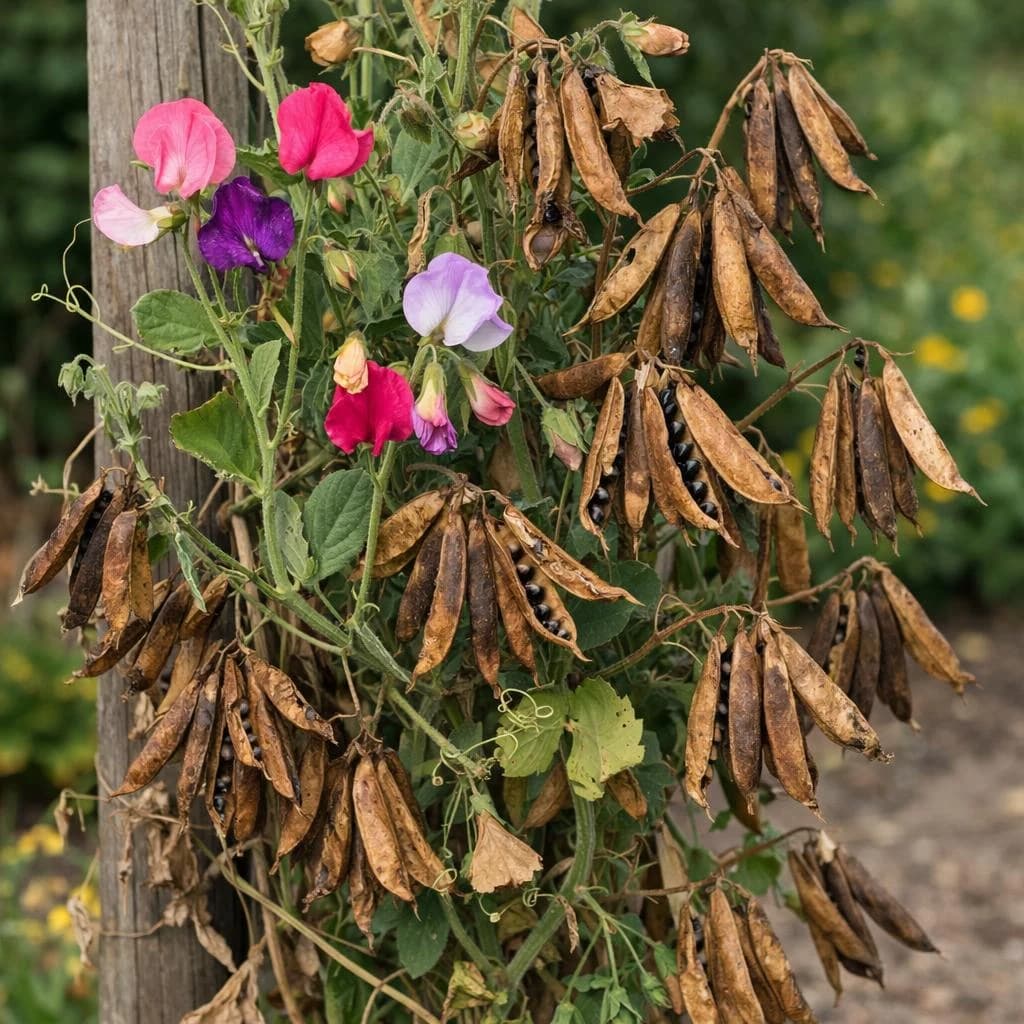
Seed Production
Step 1
Prepare Your Space
2 cm
Seeding Depth
15 cm
Plant Spacing
30 cm
Row Spacing
Vertical Growing
No.
Succession Planting
Yes – successional autumn + spring sowings extend the season.
Good Companions
Bad Companions
Step 2
Planting & Sprouting
Expect sprouts in 10–21 days
Growing Tips
- 1A sunny spot, rich deep soil, a sturdy support (netting, canes, an obelisk), and constant picking are the whole recipe.
- 2Cool roots matter: mulch well and never let them dry out, which causes buds to drop and mildew to strike.
- 3An autumn sowing (overwintered in a cold frame in cold climates) gives earlier, stronger plants.
- 4Choose old-fashioned and 'Spencer' types for the strongest scent.
Seedling Phase
Step 3
Growth & Maturity
180 cm
Mature Height
25 cm
Mature Width
Pests to Watch For
Diseases to Watch For
Mature Plant
Step 4
Harvesting
When to Pick
Blooms late spring through summer; cut every few days or it stops flowering
How to Harvest
- 1Pick, pick, pick.
- 2Cut flowers (and snip off any seed pods you see) every two or three days to keep the plant convinced it must make more blooms.
- 3Cut in the morning when the lowest flowers on a stem are open.
- 4Tie in the climbing growth, keep the roots cool and well watered (drought brings on mildew and bud-drop), and feed lightly once flowering starts.
Step 5
Saving Seeds
How to Save Seeds
Let a few pods dry and turn papery-brown on the vine, then shell out the round seeds and store them dry. They come fairly true, though named varieties may vary slightly.
Seed Production
Still have a question?
Ask your coach about your sweet pea.
This page covers what we thought to write down. Your sweet pea will do something it never mentions, and that is the day a coach beats a guide. Ask Coach Lumen one question right now, free, no account.