Iris Growing Guide
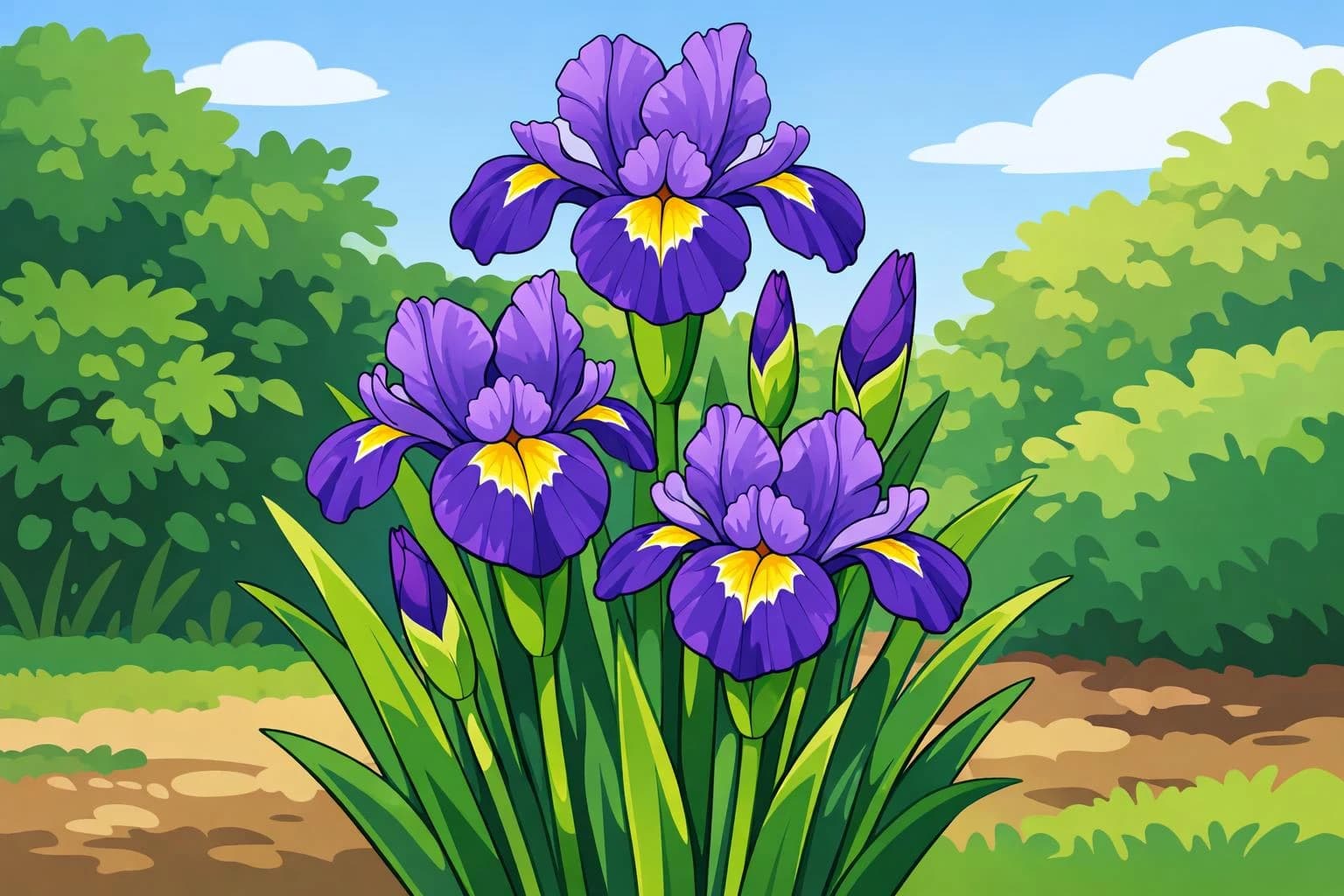
Iris At a Glance
Difficulty
Easy
Category
Flower
Sun Exposure
Full Sun
Frost Tolerance
Frost Hardy
Cold Hardiness
Survives to -34°C
Plant Family
Iridaceae
Growing Season
Cool Season
Plant Lifecycle
Perennial
How to Start It
★ Recommended for beginners
In mid-late summer, lift a congested clump, cut the rhizome into pieces each with a fan of leaves and roots, trim the leaves to a short fan, and replant shallow with the top exposed.
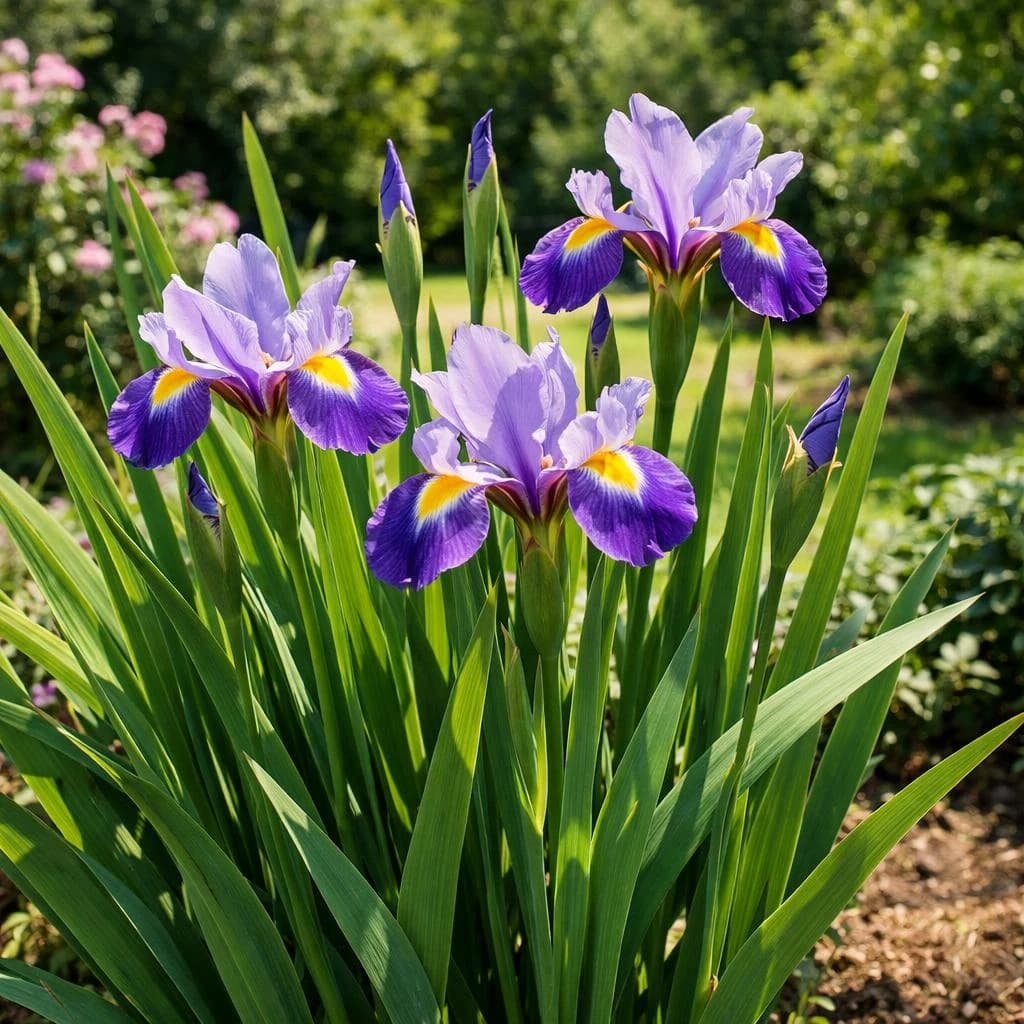
Bearded irises bring sculptural, ruffled flowers in early summer and sword-like foliage all season. The crucial, counterintuitive rule: plant the rhizome SHALLOW, with its top half exposed to the sun: bury it and it won't flower and may rot. They bloom best in full sun and need lifting and dividing every 3–4 years (in mid-late summer) when the clumps get congested. (Other types (Siberian, Dutch, water iris) vary, but bearded iris is the common garden one.)
When To Start
Iris likes cool weather. Sow it in early spring, as soon as the ground can be worked.
We do not have exact sowing dates for this one yet.
When should you plant Iris?
Your planting dates depend on your local climate. Sign up and add your location to unlock personalized dates.
Your Iris Planting Window
Start planting
May 15, 2026
Last chance
Sep 10, 2026
Your Iris Calendar
Set your location to turn these into exact dates and reminders.
Plant / divide iris rhizomes (summer, top half exposed)
120 days after your last frost· every year
Cut irises as first bud opens; snap spent stalks after
45 days after your last frost· every year· optional
The Journey Ahead
Iris's Lifecycle
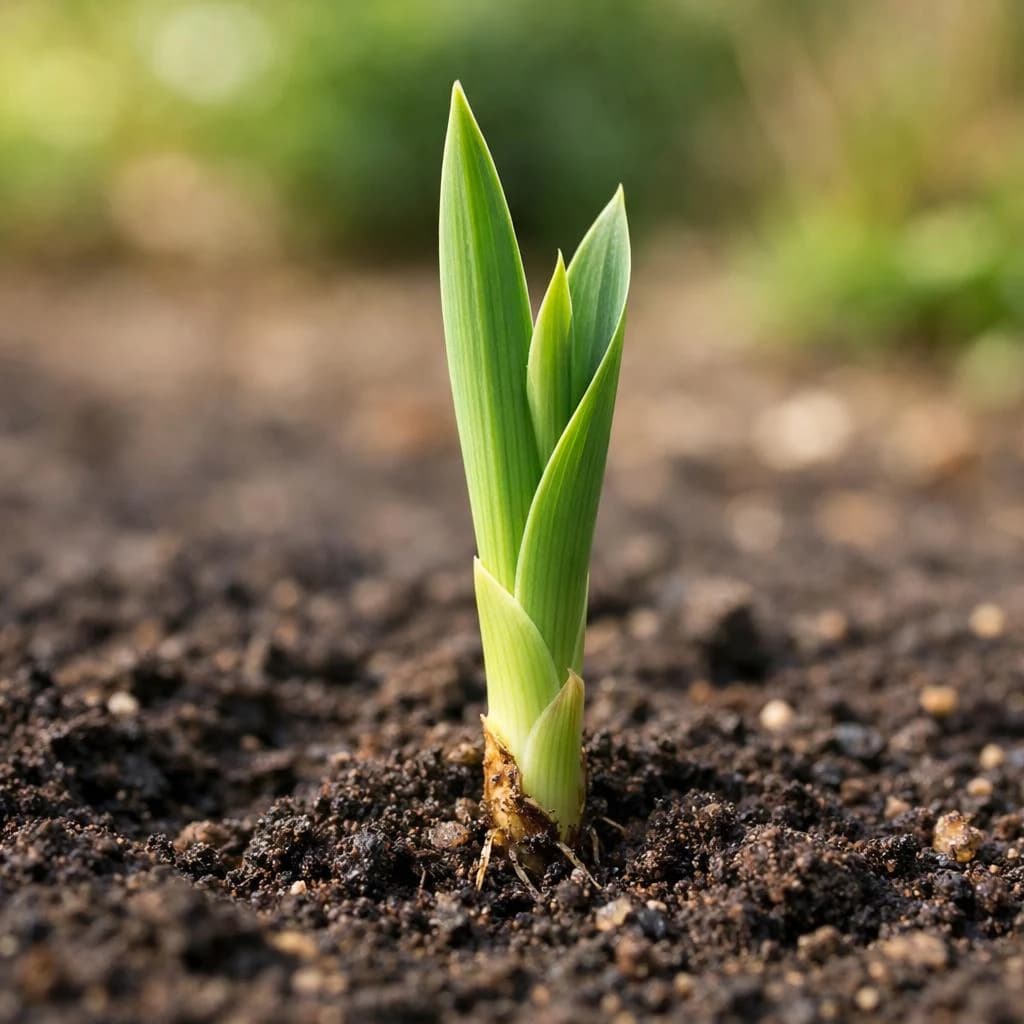
Seedling
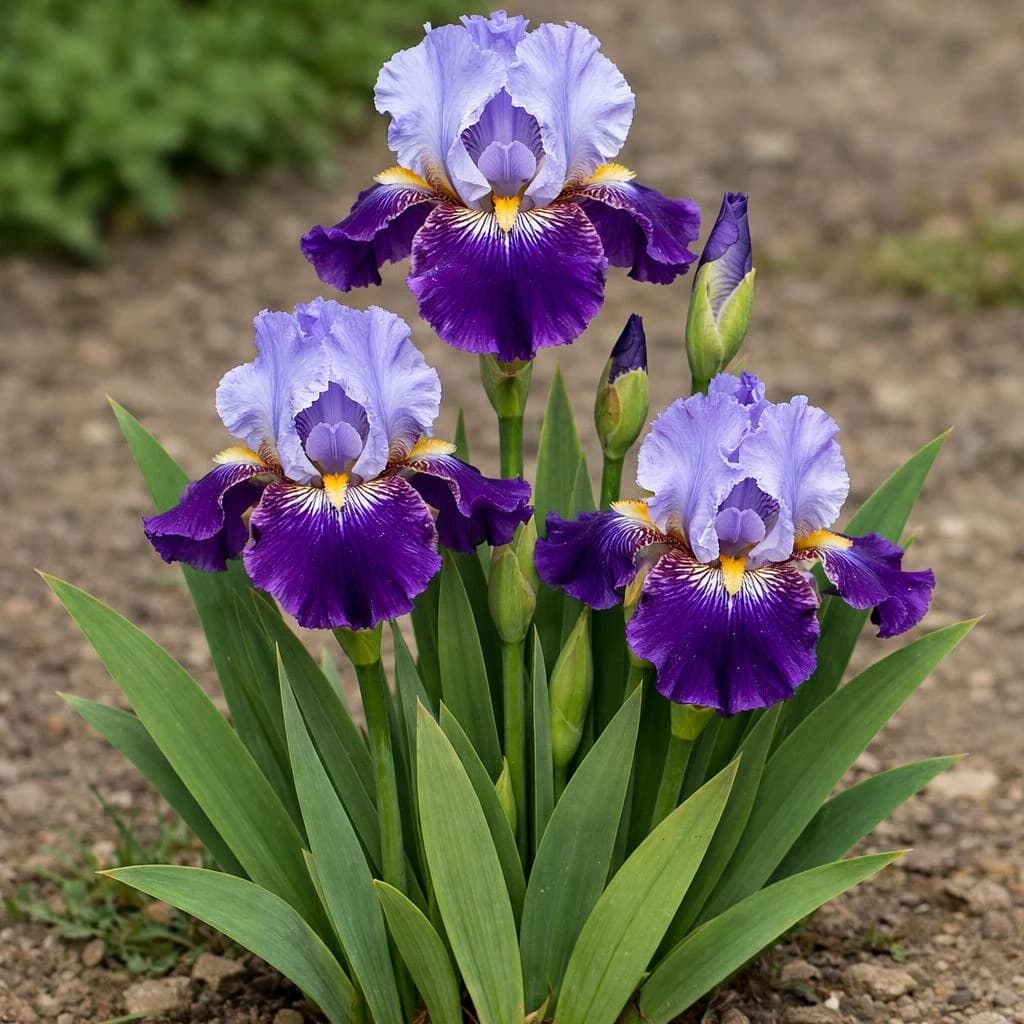
Mature Plant
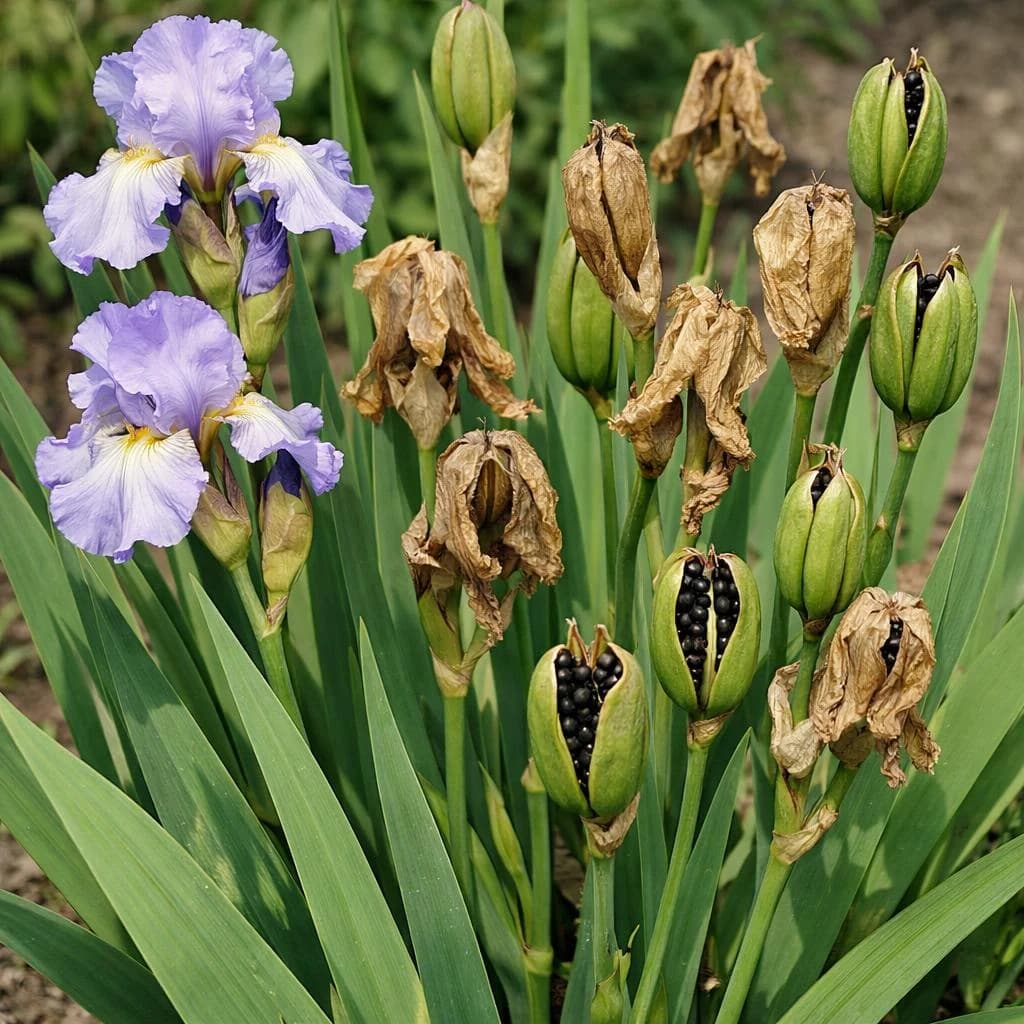
Seed Production
Step 1
Prepare Your Space
40 cm
Plant Spacing
30 cm
Row Spacing
Vertical Growing
No.
Succession Planting
No.
Good Companions
Bad Companions
Step 2
Planting & Sprouting
Growing Tips
- 1Sun and shallow planting are the two secrets: the rhizome wants to bask half-exposed, and full sun gives the most flowers.
- 2Don't mulch over the rhizomes or smother them with other plants.
- 3Go easy on high-nitrogen feed (it brings soft growth and rot).
- 4Divide congested clumps in summer, and watch for soft, smelly rot or iris borer in the rhizomes.
Seedling Phase
Step 3
Growth & Maturity
90 cm
Mature Height
45 cm
Mature Width
Pests to Watch For
Diseases to Watch For
Mature Plant
Step 4
Harvesting
When to Pick
Blooms late spring to early summer; cut when the first bud is about to open
How to Harvest
- 1For the vase, cut a stem when the first bud is just unfurling: the others open in turn.
- 2In the garden, snap off spent flower stalks at the base but keep the leaves, which feed the rhizome.
- 3Tidy away dead leaves in autumn (this also denies iris borer a hiding spot).
- 4Divide every few years to keep them flowering well.
Step 5
Saving Seeds
Seed Production
Still have a question?
Ask your coach about your iris.
This page covers what we thought to write down. Your iris will do something it never mentions, and that is the day a coach beats a guide. Ask Coach Lumen one question right now, free, no account.