Nigella Growing Guide
Nigella At a Glance
Difficulty
Easy
Category
Flower
Sun Exposure
Full Sun
Frost Tolerance
Frost Hardy
Cold Hardiness
Survives to -12°C
Plant Family
Ranunculaceae
Growing Season
Cool Season
Plant Lifecycle
Annual
How to Start It
★ Recommended for beginners
Sow thinly where it's to flower, in autumn (for early, bigger plants in mild areas) or early spring, and thin lightly. It resents root disturbance, so don't transplant.
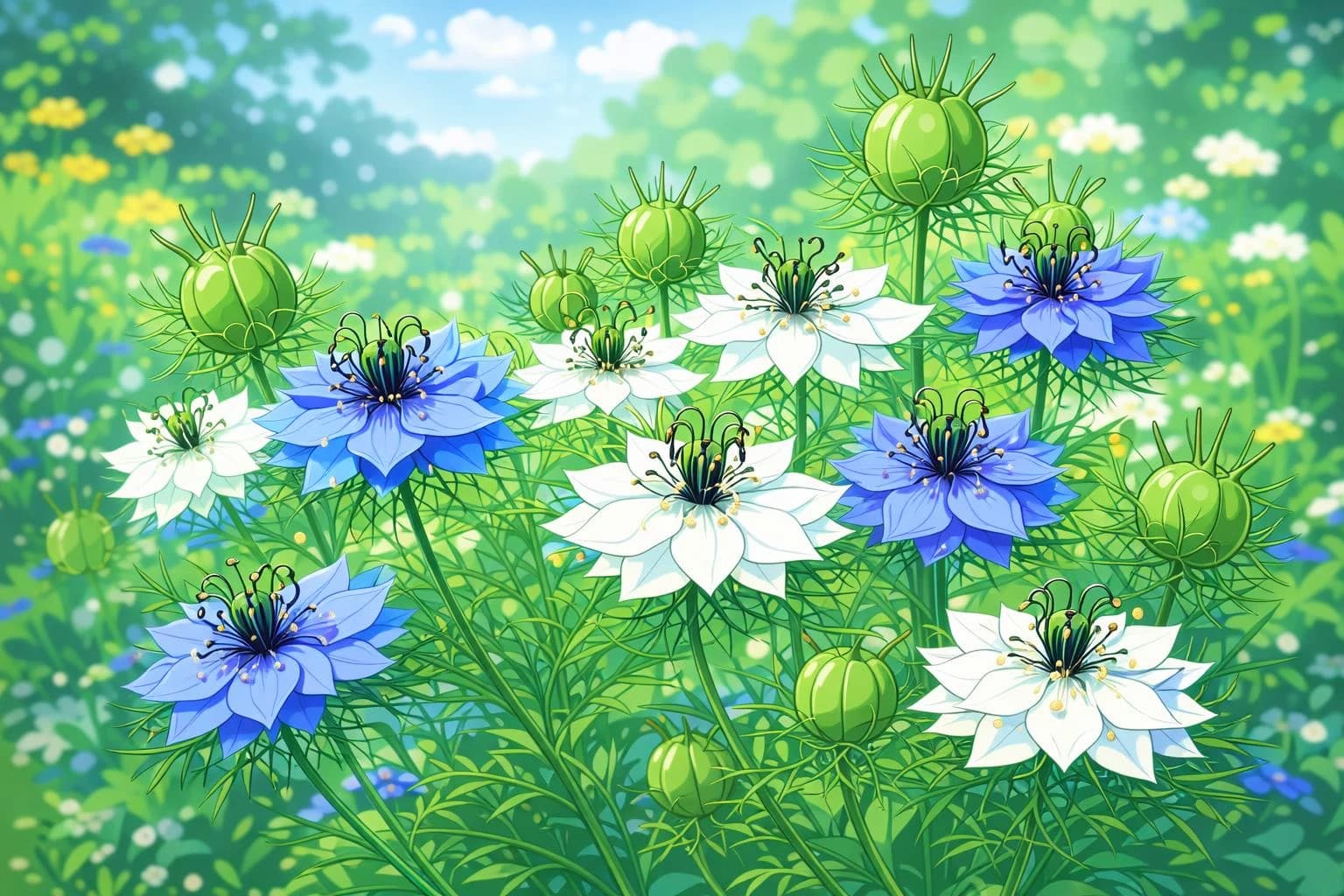
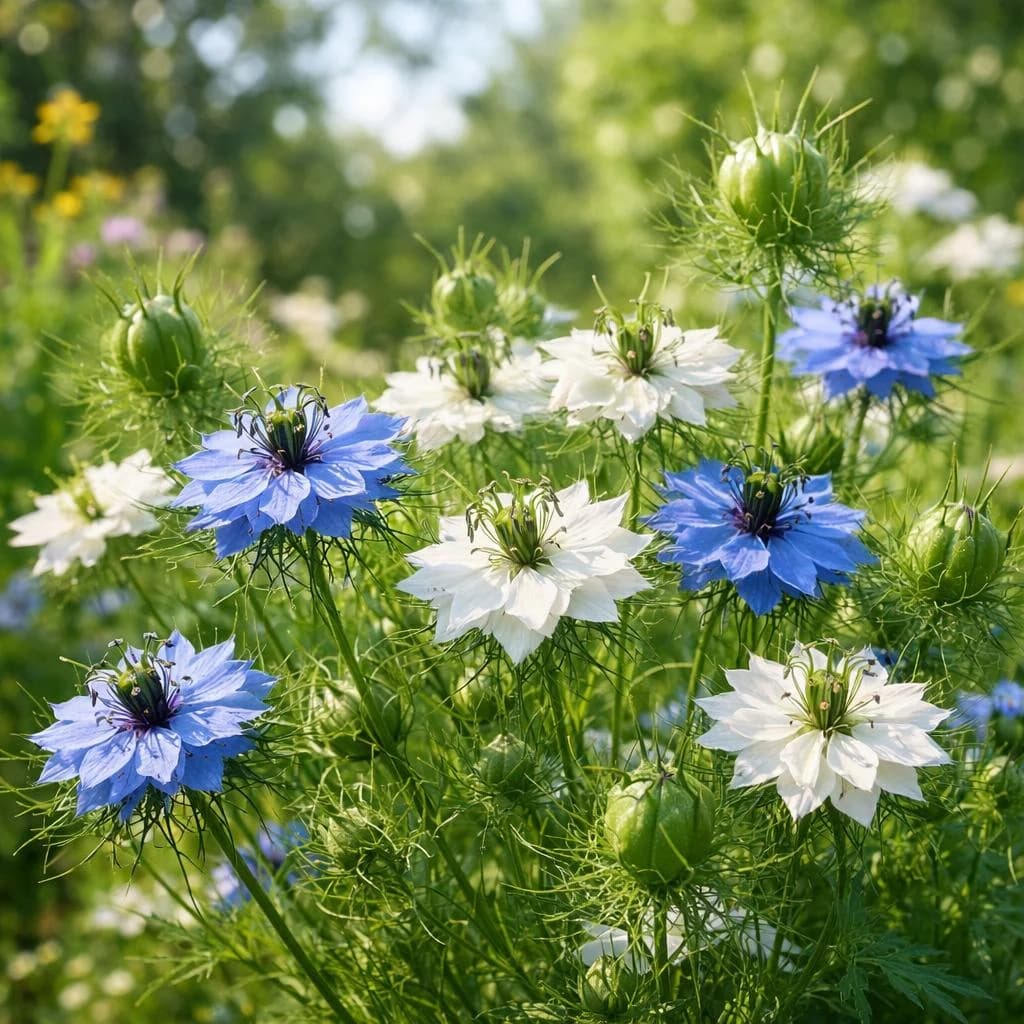
Love-in-a-mist: jewel-like flowers (classically sky blue) nestled in a halo of feathery foliage, followed by striking balloon-shaped seed pods that are wonderful fresh, dried, or left to scatter seed. It's about as easy as a hardy annual gets: direct sow and forget. It dislikes transplanting, so sow in place; it self-sows so freely you'll likely never sow it again. Lovely in the border, the cutting patch, and dried arrangements.
When To Start
Nigella likes cool weather. Sow it in early spring, as soon as the ground can be worked.
We do not have exact sowing dates for this one yet.
When should you plant Nigella?
Your planting dates depend on your local climate. Sign up and add your location to unlock personalized dates.
Your Nigella Planting Window
Start planting
May 15, 2026
Last chance
Sep 10, 2026
Your Nigella Calendar
Set your location to turn these into exact dates and reminders.
Direct-sow nigella where it's to flower (autumn or spring)
2 weeks before your last frost· every year
Cut nigella flowers/pods; leave some pods to self-sow
60 days after your last frost· every year· optional
The Journey Ahead
Nigella's Lifecycle
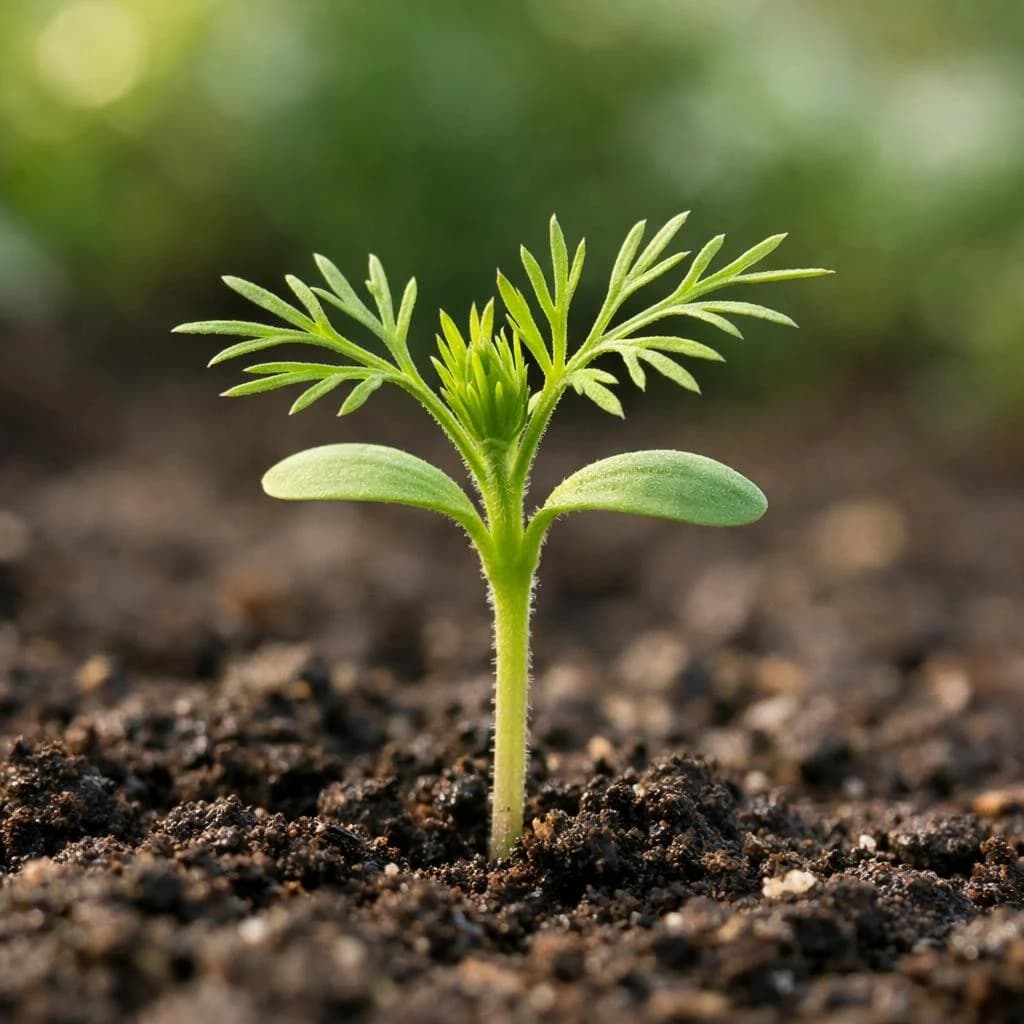
Seedling
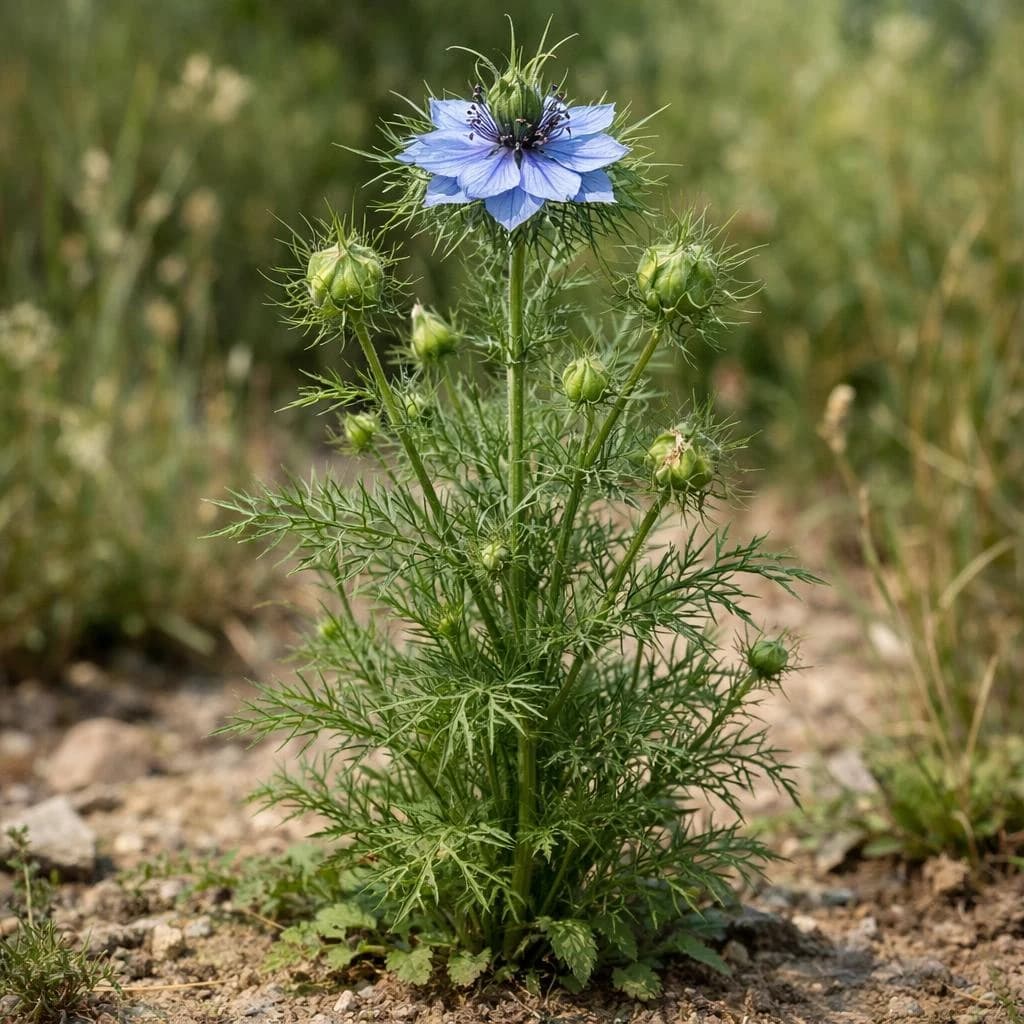
Mature Plant
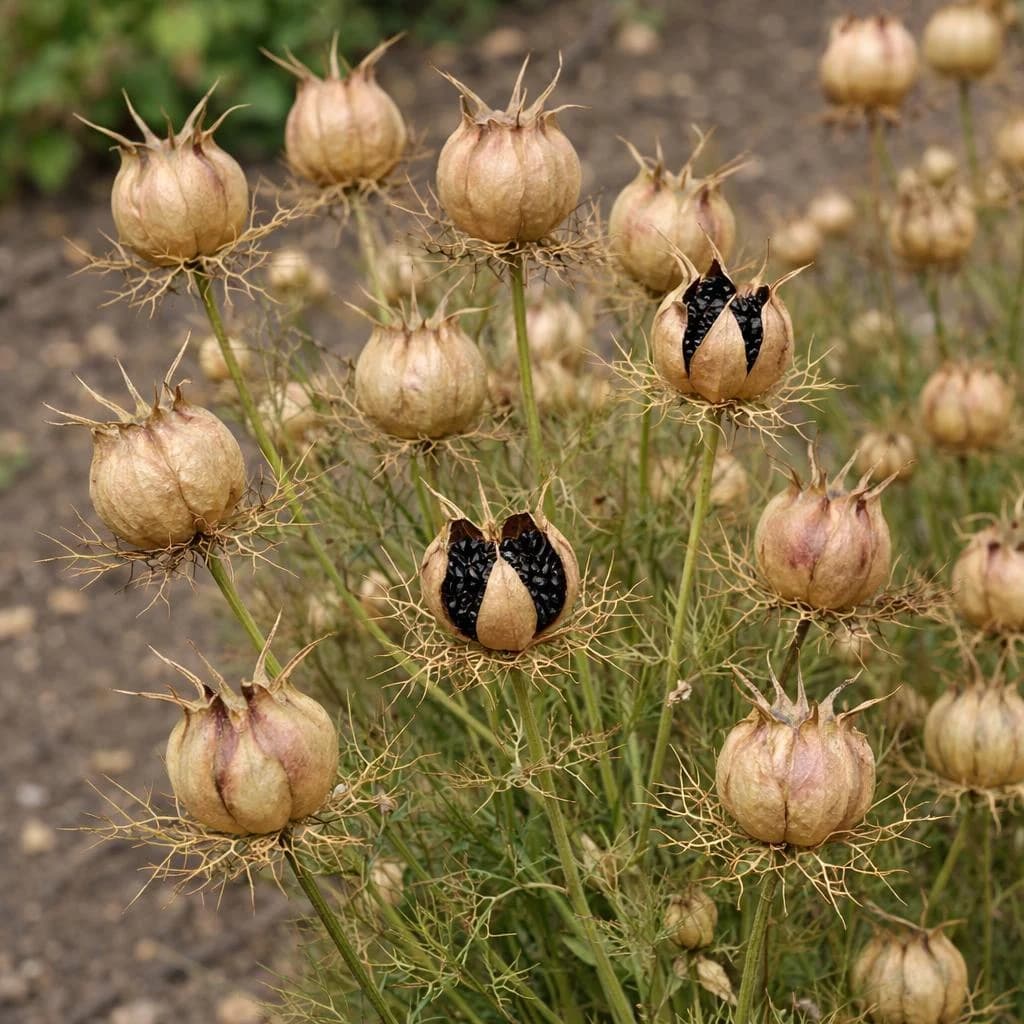
Seed Production
Step 1
Prepare Your Space
1 cm
Seeding Depth
15 cm
Plant Spacing
30 cm
Row Spacing
Vertical Growing
No.
Succession Planting
Yes – a few sowings spread the short individual flowering window.
Good Companions
Bad Companions
Step 2
Planting & Sprouting
Expect sprouts in 10–21 days
Growing Tips
- 1Direct sow in full sun and free-draining soil, thin gently, and otherwise leave it alone: nigella needs no feeding, staking or fuss.
- 2Sow a little every few weeks (or in both autumn and spring) since each plant blooms only for a couple of weeks.
- 3Don't deadhead everything: those balloon pods are ornamental and ensure next year's free plants.
- 4A brilliant easy filler.
Seedling Phase
Step 3
Growth & Maturity
50 cm
Mature Height
20 cm
Mature Width
Pests to Watch For
Diseases to Watch For
Mature Plant
Step 4
Harvesting
When to Pick
Flowers early-mid summer; then the decorative pods take over for drying or seed
How to Harvest
- 1Cut flowers for the vase as they open, or wait and cut the inflated seed pods for fresh and dried arrangements (they're arguably the best part).
- 2Each plant has a fairly short flowering window, so make a couple of successional sowings for a longer run.
- 3Leave some pods to dry and shatter on the plant and you'll have self-sown nigella every year thereafter.
Step 5
Saving Seeds
How to Save Seeds
The ornamental seed pods dry on the plant and split to release black seeds. Collect a few pods, or let them shed for guaranteed self-sowing.
Seed Production
Still have a question?
Ask your coach about your nigella.
This page covers what we thought to write down. Your nigella will do something it never mentions, and that is the day a coach beats a guide. Ask Coach Lumen one question right now, free, no account.